
Peruvian pan frances recipe searches are growing in the US because more home bakers want to recreate the simple, comforting bread found in neighborhoods across Peru. This iconic bread roll is part of everyday life in Peru, enjoyed fresh from local bakeries early in the morning and throughout the day. While its name suggests a connection to French bread, Peruvian pan francés has evolved into something distinctly its own smaller, lighter, and softer inside, with a thin, delicate crust that cracks gently when you bite into it.
Peruvian pan frances recipe results often disappoint because many guides overlook what truly makes this bread special: balance. The dough is not overly hydrated, the fermentation is gentle rather than aggressive, and the baking method focuses on creating a light interior crumb instead of a chewy artisan loaf. In Peru, pan francés is designed to be versatile. It pairs equally well with butter and jam at breakfast or savory fillings like roasted pork, chicken salad, or avocado for lunch.
What makes this bread especially appealing to US home bakers is its simplicity. A traditional Peruvian pan frances recipe uses basic ingredients you already have flour, yeast, water, salt, and sometimes a small amount of sugar or oil. The magic comes from technique rather than complexity. Proper kneading, controlled rising, and the right oven conditions are what create the bread’s signature texture and flavor.
This guide is written to fully match search intent. You’ll learn what Peruvian pan francés is, why it’s culturally important, how it differs from French baguettes, and how to bake it successfully in a standard home kitchen. By the end of this article, you’ll understand not just how to follow a peruvian pan frances recipe, but how to achieve the authentic taste and texture that Peruvians recognize instantly.
Curious what makes One Trick Pony peanut butter so special and why it’s become so popular? Click below to learn about the ingredients, how it’s used, and what sets it apart One Trick Pony Peanut Butter Ingredients, Uses & Why It’s Popular
What Is Peruvian Pan Francés?
The peruvian pan frances recipe is rooted in a bread known simply as pan francés in Peru, even though it is not the same as traditional French bread. In Peruvian bakeries, pan francés refers to a small, oval or slightly elongated bread roll with a thin, lightly crisp crust and a soft, airy interior. It is designed to be eaten fresh often just hours after baking which is why Peruvians typically buy it daily rather than storing it for long periods.
To understand any peruvian pan frances recipe, it helps to know its cultural background. Bread became a staple in Peru during the colonial era, when European baking techniques were introduced and adapted to local tastes. Over time, Peruvian bakers adjusted hydration levels, fermentation times, and shaping methods to suit local ovens, flours, and eating habits. The result was pan francés as it’s known today: lighter and less chewy than a baguette, with a more delicate crust.
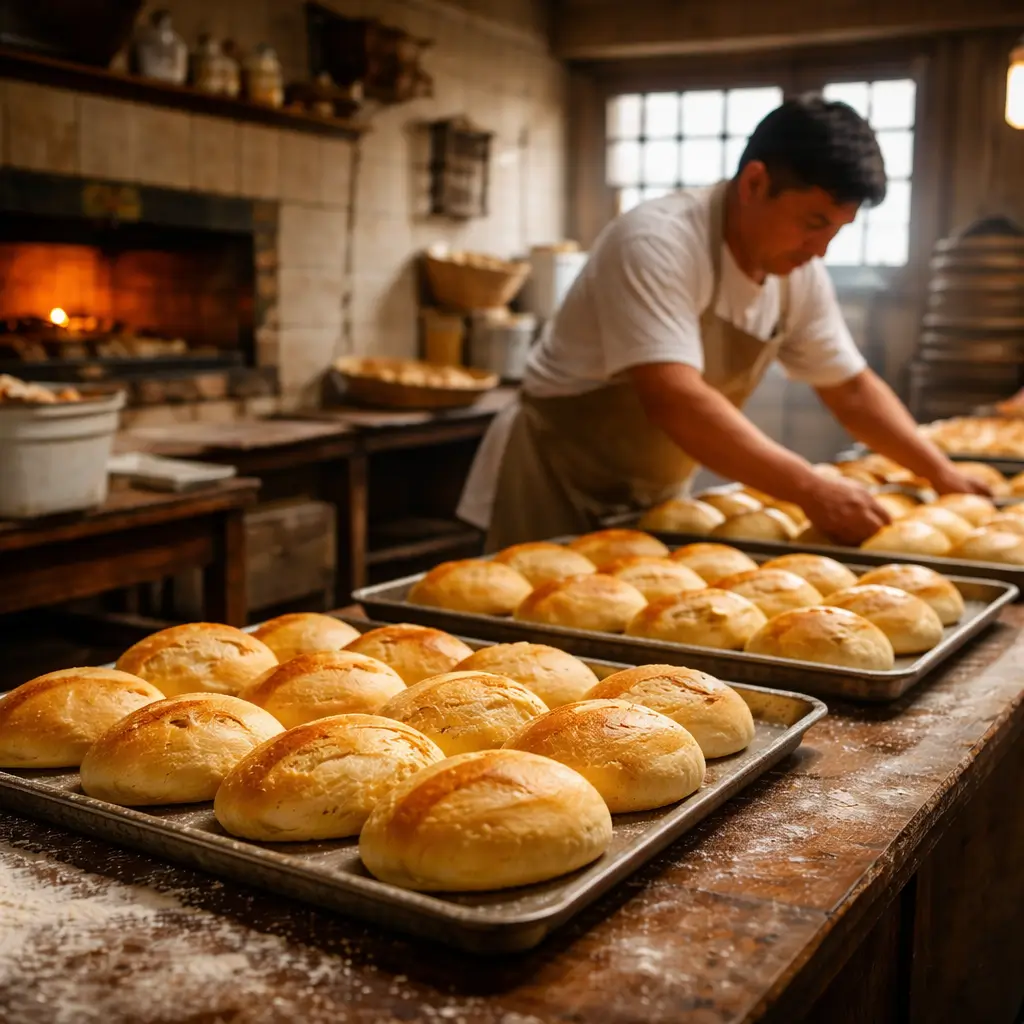
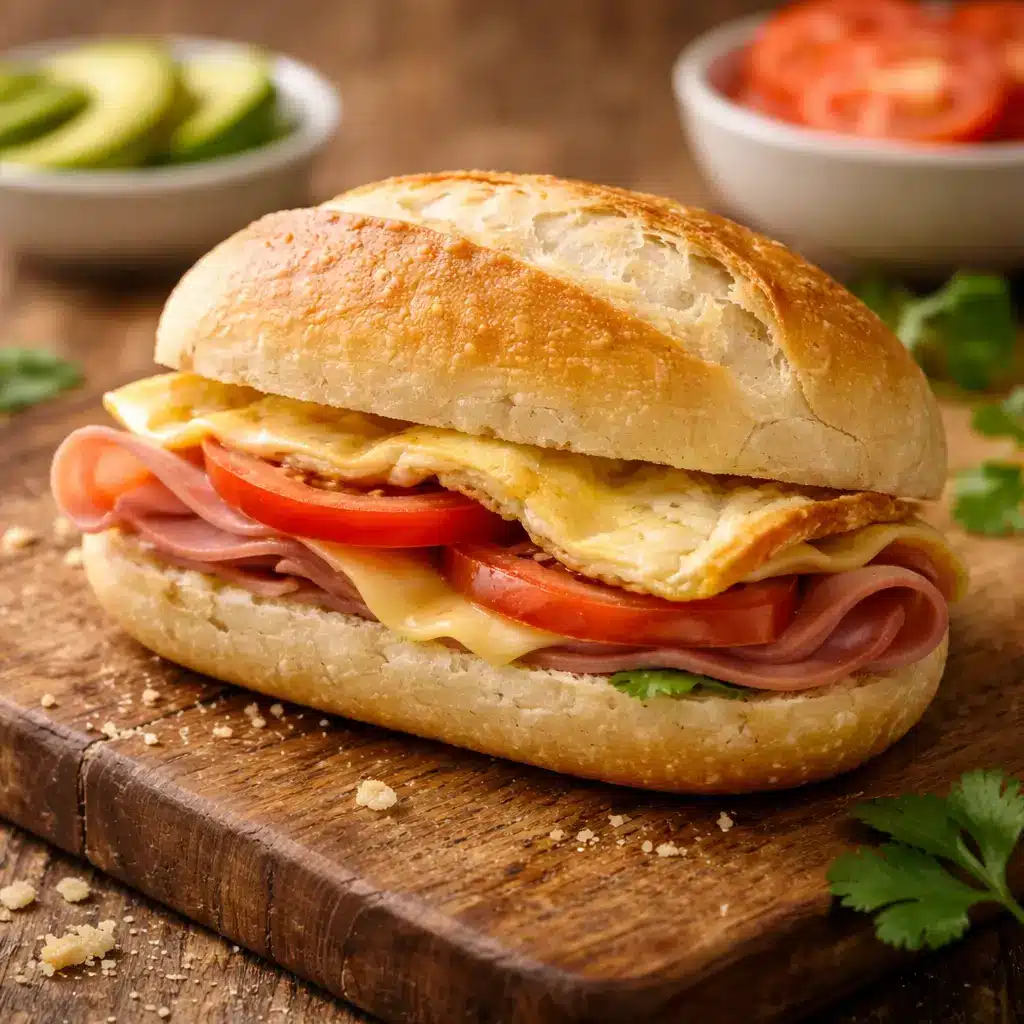
In Peru, this bread is part of everyday routines. Families serve it for breakfast with butter, jam, or cheese. Street vendors and cafés use it for sandwiches, and bakeries sell it in paper bags by the dozen. Unlike artisan breads that aim for deep sour flavors, pan francés is intentionally mild. A good peruvian pan frances recipe produces bread that complements fillings rather than overpowering them.
Another key characteristic is texture. Authentic pan francés has a soft crumb with small, even air pockets not large holes. This makes it ideal for sandwiches, especially popular combinations like pork, chicken, or egg based fillings. The crust should be thin and lightly golden, never hard or overly crunchy.
For US home bakers, recognizing these traits is essential. Many recipes fail because they copy baguette methods too closely. A true peruvian pan frances recipe focuses on balance, freshness, and approachability. In the next section, we’ll break down the exact ingredients that give this bread its signature character and explain why each one matters.
Ingredients Used in a Peruvian Pan Francés Recipe
A successful peruvian pan frances recipe depends more on ingredient balance than on specialty products. One reason this bread is so popular in Peru is that it’s made with simple, affordable ingredients that are easy to find both in Peruvian kitchens and in US grocery stores. However, understanding the role of each ingredient is key to achieving the correct texture and flavor.
At its core, pan francés uses wheat flour, yeast, water, and salt. Some bakeries also include a small amount of sugar or oil to support fermentation and soften the crumb. Unlike rustic European breads, this dough is not heavily hydrated and does not rely on long sourdough fermentation. Instead, it produces a clean, mild flavor and a light structure.
Below is a clear breakdown of typical ingredients and their purpose in an authentic peruvian pan frances recipe:
| Ingredient | Purpose | Notes for US Bakers |
|---|---|---|
| All purpose flour | Structure and crumb | Bread flour can be used, but AP flour gives a softer interior |
| Instant or active dry yeast | Leavening | Instant yeast is easier for beginners |
| Warm water | Hydration | Lukewarm (not hot) for proper yeast activation |
| Salt | Flavor and dough strength | Essential for balance do not skip |
| Sugar (optional) | Supports yeast activity | Use sparingly; bread should not taste sweet |
| Vegetable oil or shortening (optional) | Softens crumb | Helps replicate bakery style texture |
Flour choice matters more than many people expect. In Peru, flour tends to be lower in protein than typical US bread flour. That’s why many bakers prefer all purpose flour when following a peruvian pan frances recipe at home it produces a softer bite that feels more authentic.
Yeast quantity is also important. Too much yeast creates a strong, bready flavor and uneven texture, while too little results in dense rolls. Traditional pan francés aims for gentle fermentation that creates a uniform crumb.
Step by Step Peruvian Pan Francés Recipe (Baking Instructions)
This peruvian pan frances recipe section is the most important for users searching how to actually make this bread at home. A successful peruvian pan frances recipe focuses on proper mixing, controlled fermentation, gentle shaping, and correct baking temperature. Follow these steps closely to achieve authentic results similar to Peruvian bakeries.
Step 1: Activate the Yeast
In a bowl, combine warm water (about 105–110°F) with yeast and a small amount of sugar if using. Let it rest for 5–10 minutes until foamy. This step ensures your peruvian pan frances recipe starts with active yeast, which is essential for a light crumb.
Step 2: Mix the Dough
Add flour and salt to the yeast mixture. Mix until a shaggy dough forms. If your peruvian pan frances recipe includes oil, add it at this stage. The dough should feel soft but not sticky.
Step 3: Knead Until Smooth
Knead by hand for 8–10 minutes or with a mixer for 5–6 minutes. Proper kneading develops gluten, which gives structure without making the bread chewy. A well kneaded dough is critical for any authentic peruvian pan frances recipe.
Step 4: First Rise
Place the dough in a lightly oiled bowl, cover, and let it rise for about 1 hour or until doubled in size. Avoid over proofing, as pan francés should remain light and mild.
Step 5: Shape the Rolls
Divide the dough into equal portions. Shape each piece into a small oval or short log. This shaping technique defines the classic look of a peruvian pan frances recipe.
Step 6: Second Rise
Let the shaped rolls rest for 20–30 minutes. They should puff slightly but not collapse.
Step 7: Bake
Bake in a preheated oven at 425°F. Add steam by placing a pan of hot water on the oven floor for the first few minutes. Steam helps create the thin crust typical of a peruvian pan frances recipe. Bake for 15–18 minutes until lightly golden.
Mastering these steps ensures your peruvian pan frances recipe delivers soft interiors, delicate crusts, and authentic flavor every time.
Texture and Flavor Characteristics of Peruvian Pan Francés
A defining reason people search for a peruvian pan frances recipe is to recreate the exact texture and flavor they remember from Peruvian bakeries. This bread is not meant to be dramatic or complex. Instead, its appeal lies in its balance light, soft, and subtly crisp, with a neutral flavor that works with both sweet and savory foods.
The crust of authentic pan francés is thin and lightly golden, never thick or aggressively crunchy. When fresh, it gently cracks as you bite into it rather than shattering. This is a key difference many US bakers miss when following a peruvian pan frances recipe, especially if they apply artisan bread techniques meant for baguettes or sourdough loaves.
Inside, the crumb should be soft, airy, and uniform. The holes are small and evenly distributed, creating a pillow like texture that compresses slightly when squeezed and springs back. A good peruvian pan frances recipe avoids large, irregular air pockets, which make the bread harder to use for sandwiches.
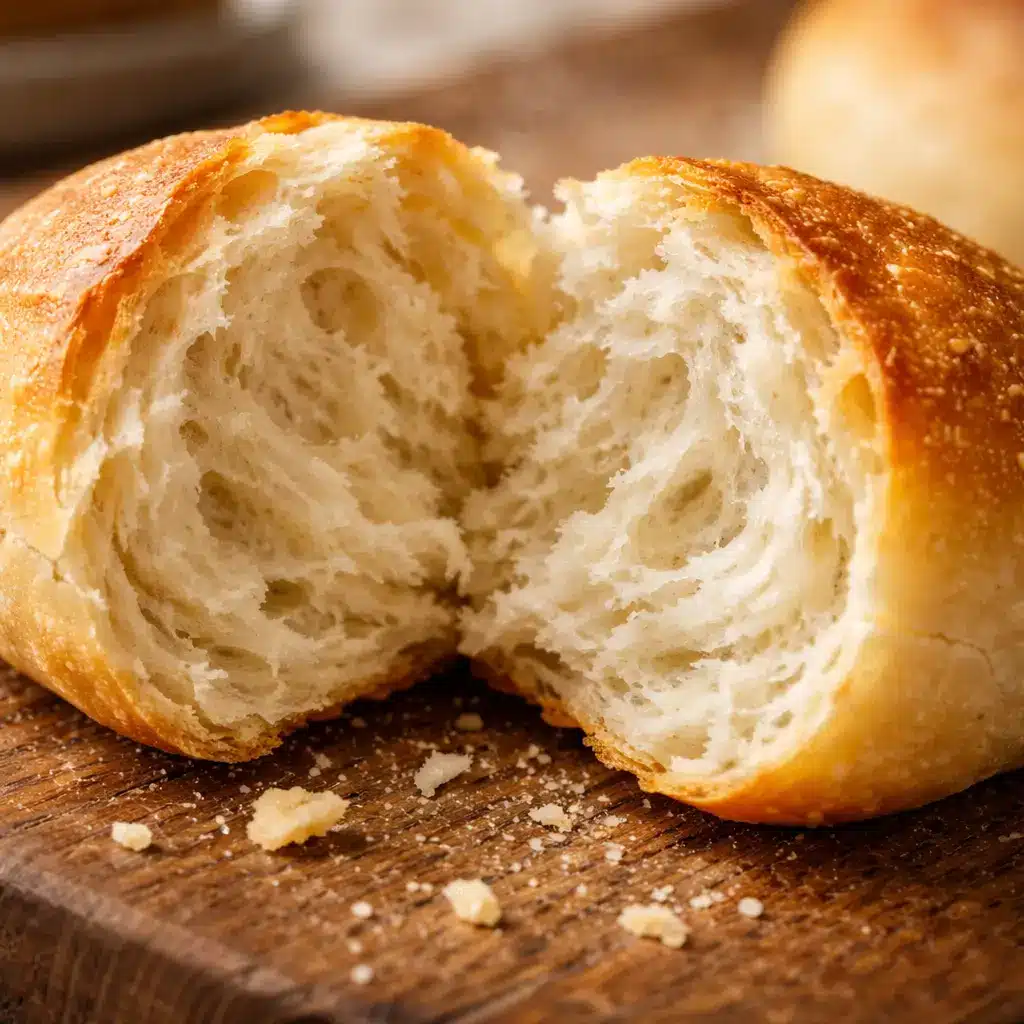
Flavor wise, pan francés is intentionally mild. There should be no sourness and no strong yeast taste. The goal of a traditional peruvian pan frances recipe is to produce bread that complements fillings rather than competing with them. This is why it pairs so well with butter, jam, eggs, pork, chicken, or cheese.
Freshness is also part of the experience. In Peru, pan francés is typically eaten the same day it’s baked. As it cools, the crust softens slightly while the interior stays tender. If your bread tastes best within a few hours of baking, that’s a sign your peruvian pan frances recipe is authentic.
Popular Variations of Peruvian Pan Francés
While the classic peruvian pan frances recipe is simple, there are several common variations used in Peruvian homes and bakeries. These variations don’t change the identity of the bread but subtly adjust texture, softness, or shelf life. Understanding them helps US home bakers adapt a peruvian pan frances recipe to their preferences without losing authenticity.
One of the most common variations is the use of fat. Some bakeries add a small amount of vegetable oil, shortening, or butter to the dough. This produces a softer crumb and slightly richer mouthfeel. In warmer regions of Peru, this version is popular because it helps the bread stay tender longer. If your peruvian pan frances recipe feels too dry the next day, adding a small amount of oil can help.
Another variation involves sugar. Traditional pan francés is not sweet, but some recipes include a teaspoon or two of sugar to support yeast activity and improve browning. This does not make the bread taste sweet when done correctly. For beginners, a lightly sweetened peruvian pan frances recipe can be more forgiving and produce more consistent results.
Shape is another point of variation. While the classic form is a small oval or short roll, some bakeries shape pan francés slightly longer or rounder depending on local preference. The dough and baking method remain the same, so shape changes do not affect authenticity.
There are also oven based variations. Commercial Peruvian bakeries often use steam injected ovens, while home bakers rely on improvised steam methods. Adjusting oven temperature and steam levels is a normal part of adapting a peruvian pan frances recipe to a US home kitchen.
Tips for Authentic Peruvian Pan Francés at Home
Making an authentic peruvian pan frances recipe at home is less about special tools and more about technique and timing. Many failed attempts happen because bakers treat this bread like a baguette or artisan loaf, which leads to the wrong texture and flavor. These practical tips will help you get bakery style results in a US home kitchen.
One of the most important tips is to avoid over hydrating the dough. A peruvian pan frances recipe uses moderate hydration. If the dough feels too wet or sticky, the crumb will be uneven and the rolls may spread instead of rising properly. The dough should feel soft, smooth, and easy to handle.
Pay close attention to fermentation time. Pan francés should rise until just doubled no more. Over proofing creates large air pockets and a strong yeast flavor, both of which are incorrect for a traditional peruvian pan frances recipe. Shorter, controlled rises produce a mild taste and uniform crumb.
Steam is essential, but only at the beginning of baking. Adding steam during the first few minutes helps form a thin crust, which is a signature feature of any good peruvian pan frances recipe. Too much steam or steaming for too long can soften the crust excessively.
Oven temperature also matters. Baking too low results in pale, dry bread, while too hot can harden the crust. Most successful peruvian pan frances recipe results come from baking around 425°F with a well preheated oven.
Finally, remember that freshness is part of authenticity. Pan francés is best eaten the same day. If your bread tastes amazing a few hours after baking but loses quality overnight, that’s normal and a sign your peruvian pan frances recipe is on the right track.
Peruvian Pan Francés vs Other Similar Breads
Many people searching for a peruvian pan frances recipe wonder how this bread compares to French bread or other international rolls. While the name suggests a direct connection, Peruvian pan francés is a distinct bread with its own purpose, texture, and baking style. Understanding these differences helps prevent common mistakes when baking at home.
Pan francés in Peru evolved from European bread traditions but was adapted to local tastes and daily eating habits. Unlike traditional French baguettes from France, Peruvian pan francés is designed to be softer, milder, and more versatile for everyday meals.
The table below highlights the key differences that matter when following a peruvian pan frances recipe:
| Bread Type | Crust | Interior Texture | Flavor Profile | Typical Use |
|---|---|---|---|---|
| Peruvian pan francés | Thin, lightly crisp | Soft, uniform crumb | Mild, neutral | Breakfast, sandwiches |
| French baguette | Thick, very crunchy | Chewy with large holes | Wheaty, complex | Cheese, soups |
| Dinner rolls | Soft, no crust | Very fluffy | Slightly sweet | Holiday meals |
| Bolillo (Mexico) | Medium crust | Denser crumb | Mild | Savory sandwiches |
The biggest mistake US bakers make is treating a peruvian pan frances recipe like a baguette recipe. Long fermentation, high hydration, and aggressive steam create a crust and crumb that feel wrong for pan francés. This bread should be easy to bite into and pleasant to eat on its own.
Another key difference is portion size. Peruvian pan francés is smaller than a baguette and typically baked as individual rolls rather than long loaves. This affects shaping, baking time, and heat distribution.
By understanding how pan francés compares to similar breads, you can better judge your results and stay true to the goal of an authentic peruvian pan frances recipe.
Conclusion: Mastering the Peruvian Pan Francés Recipe at Home
Baking an authentic peruvian pan frances recipe at home is about understanding purpose, not chasing complexity. This bread is meant to be simple, fresh, and comforting a daily staple rather than a showpiece loaf. Once you understand its cultural role and texture goals, the process becomes approachable for any home baker in the US.
Unlike artisan breads that rely on long fermentation and bold flavors, a true peruvian pan frances recipe focuses on balance. The dough is soft but manageable, the rise is controlled, and the bake produces a thin, delicate crust with a light, even crumb. When done correctly, the bread feels airy in your hands, bites cleanly, and pairs effortlessly with both sweet and savory foods.
What makes this recipe especially rewarding is how adaptable it is. With basic pantry ingredients and a standard home oven, you can recreate the same style of bread enjoyed daily in homes and bakeries across Peru. Small adjustments like flour choice, fermentation time, or a touch of oil allow you to fine tune results without losing authenticity.
For readers searching for a reliable peruvian pan frances recipe, the goal isn’t perfection on the first try. It’s learning how the dough should feel, how the bread should look when baked, and how freshness defines the experience. When your rolls taste best the same day, have a soft interior, and a gently crisp crust, you’ve succeeded.
By following the techniques and tips in this guide, you’re not just baking bread you’re bringing a piece of Peruvian daily life into your kitchen.
FAQs About Peruvian Pan Francés Recipe
1. What is Peruvian pan francés?
Peruvian pan francés is a small bread roll popular throughout Peru. It has a thin, lightly crisp crust and a soft, airy interior. Despite the name, it is different from French baguettes and is designed for everyday meals and sandwiches.
2. How is a peruvian pan frances recipe different from French bread?
A peruvian pan frances recipe uses lower hydration, shorter fermentation, and gentler baking techniques. This creates a softer crumb and milder flavor compared to French bread, which is chewier and more crusty.
3. Can I make peruvian pan frances recipe with all purpose flour?
Yes, all purpose flour works very well and is often preferred in the US. It helps recreate the softer texture found in traditional Peruvian bakeries better than high protein bread flour.
4. Why does my pan francés turn out too hard?
This usually happens due to overbaking, too high oven temperature, or lack of steam control. A proper peruvian pan frances recipe produces a thin crust, not a thick or crunchy one.
5. Is sugar necessary in a peruvian pan frances recipe?
Sugar is optional. It helps activate yeast and improve browning but should be used sparingly. The bread should never taste sweet.
6. How long does Peruvian pan francés stay fresh?
Pan francés is best eaten the same day it’s baked. Like in Peru, it’s meant to be bought and enjoyed fresh, not stored for several days.
7. Can I freeze pan francés?
Yes, you can freeze baked rolls once fully cooled. Reheat them in the oven to restore softness, but fresh baking always gives the best results.
8. What is the best oven temperature for this recipe?
Most successful peruvian pan frances recipe results come from baking at around 425°F. A fully preheated oven is essential for proper rise and crust formation.
9. Why is steam important when baking pan francés?
Steam during the first few minutes helps form the thin crust that defines pan francés. Too much steam or steaming too long can make the crust overly soft.
10. What foods pair best with Peruvian pan francés?
Pan francés pairs well with butter, jam, eggs, cheese, chicken, pork, or simple sandwiches. Its mild flavor makes it versatile for both sweet and savory meals.
Follow us on Pinterest
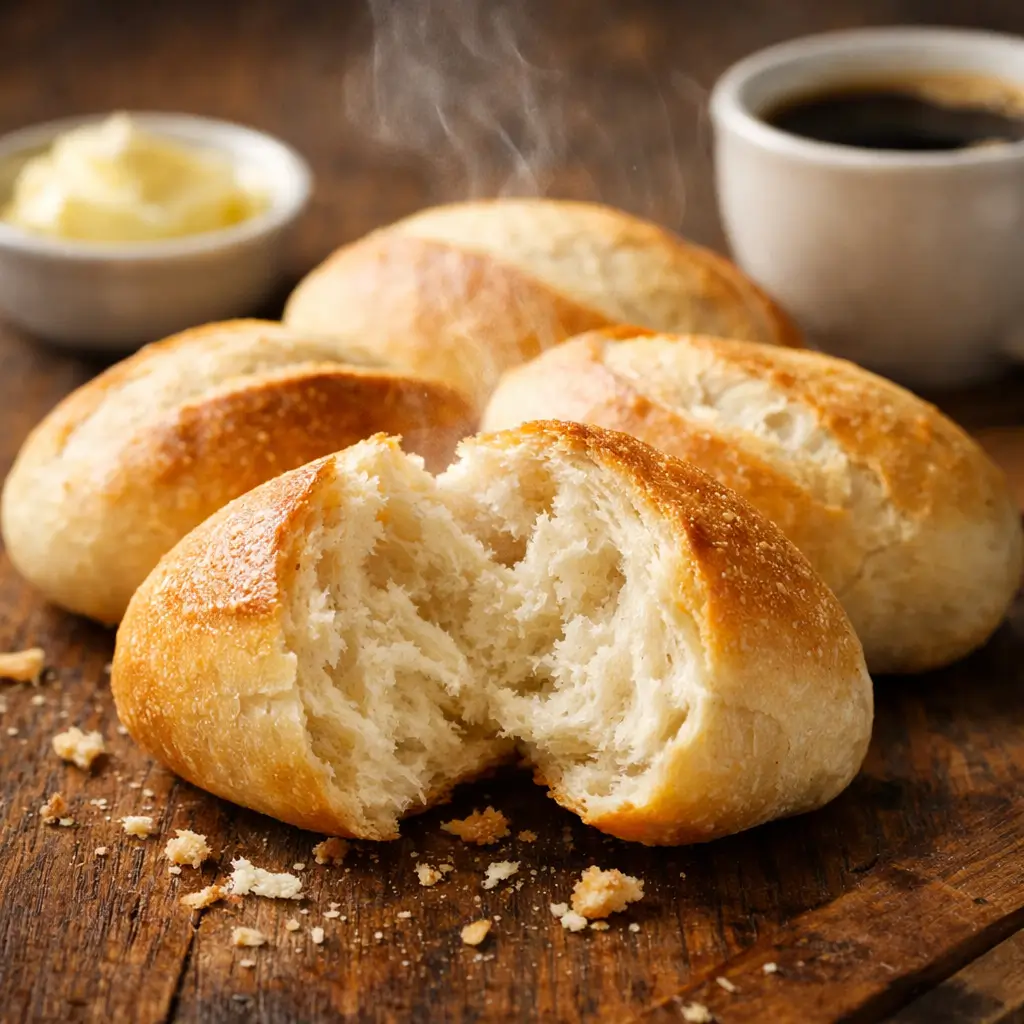
peruvian pan frances recipe authentic bread made at home
Ingredients
Method
- In a large bowl, mix warm water, yeast, and sugar (if using). Let rest for 5–10 minutes until foamy.
- Add flour and salt to the bowl. Mix until a soft dough forms. Add oil if using.
- Knead the dough for 8–10 minutes by hand (or 5–6 minutes with a mixer) until smooth and elastic.
- Place dough in a lightly oiled bowl, cover, and let rise for about 1 hour or until doubled in size.
- Divide dough into equal portions and shape into small oval or short log-shaped rolls.
- Place rolls on a baking tray, cover lightly, and let rise for 20–30 minutes.
- Preheat oven to 425°F (220°C). Place a heat-safe pan with hot water on the bottom rack to create steam.
- Bake rolls for 15–18 minutes until lightly golden with a thin crust.
- Cool slightly and serve fresh.
Notes
- Do not overproof the dough; pan francés should stay light and mild.
- All-purpose flour gives a more authentic soft crumb than bread flour.
- Best enjoyed the same day it’s baked.