
Fajitas are known for their sizzling texture, smoky aroma, and rich blend of savory flavors. While most people focus on the meat, seasoning, or peppers, onions play an equally important role in creating authentic fajitas that taste like they came straight from a restaurant kitchen. Choosing the best onion for fajitas can completely change the flavor, sweetness, texture, and overall balance of the dish.
Many home cooks simply grab whatever onion is available at the grocery store without realizing that different onion varieties produce very different results. Some onions become beautifully sweet and caramelized when cooked over high heat, while others stay sharp and overpowering. The wrong onion can make fajitas taste too bitter, too watery, or too strong.
The best onion for fajitas should soften quickly while still keeping a slight bite. It should complement peppers, steak, chicken, or shrimp without overpowering them. A good onion also absorbs seasoning well and develops a rich flavor when cooked in a hot skillet.
In classic Tex Mex cooking, onions are more than just a filler ingredient. They add sweetness, aroma, depth, and texture. When onions cook beside peppers and protein, they soak up spices and juices that help create the signature fajita flavor people crave.
Want perfectly thin onion slices that look professional and cook evenly every time? Discover the simple chef style technique in this guide How to Thinly Slice an Onion Like a Chef at Home.
The Role of Onions in Traditional Fajitas
Why Onions Are Essential
Onions provide natural sweetness that balances smoky spices and savory meat. When exposed to high heat, their sugars begin to caramelize, creating deeper flavor and a slightly crisp texture around the edges.
Without onions, fajitas can taste flat and incomplete. They help tie together the peppers, tortillas, meat, and seasoning into one cohesive dish.
Texture and Flavor Balance
Fajitas rely heavily on texture contrast. Tender meat, crisp vegetables, warm tortillas, and juicy onions all work together. The right onion keeps its structure while becoming tender enough to blend naturally into the dish.
Some onions become mushy too quickly, while others remain too pungent after cooking. That is why selecting the best onion for fajitas matters more than most people think.
What Makes an Onion Good for Fajitas?
Natural Sweetness
Sweetness is one of the most important qualities in fajita onions. As onions cook in a hot pan, their sugars caramelize and develop a rich flavor that pairs perfectly with grilled meat and peppers.
Ability to Handle High Heat
Fajitas cook fast over high heat. The best onions can withstand intense cooking without turning watery or losing flavor.
Balanced Sharpness
A good fajita onion should have enough sharpness to add character but not so much that it dominates the dish. Mild onions often work best because they become sweeter and smoother during cooking.
Why Restaurant Fajitas Taste Better
High Heat Cooking Techniques
Restaurants usually cook fajitas on flat top grills or cast iron skillets at very high temperatures. This creates caramelization on onions and peppers that adds smoky flavor.
Onion Selection Matters
Professional cooks often choose onions specifically for their sweetness and texture. Many restaurants prefer yellow onions because they become rich and slightly sweet without becoming too soft.
Timing Is Important
Onions are usually added at the perfect stage of cooking to prevent burning. Proper timing helps onions stay tender with lightly crisp edges.
The Best Onion for Fajitas According to Flavor and Texture
Not all onions perform the same way in a sizzling fajita skillet. Some varieties become sweet and rich after cooking, while others stay sharp or release too much moisture. Understanding how each onion behaves can help you create fajitas with better flavor, texture, and color.
When deciding on the best onion for fajitas, most chefs and home cooks focus on three things: sweetness, caramelization, and cooking performance. The right onion should blend naturally with peppers, spices, and meat while adding its own depth of flavor.
Yellow Onions: The Top Choice for Classic Fajitas
Why Yellow Onions Work So Well
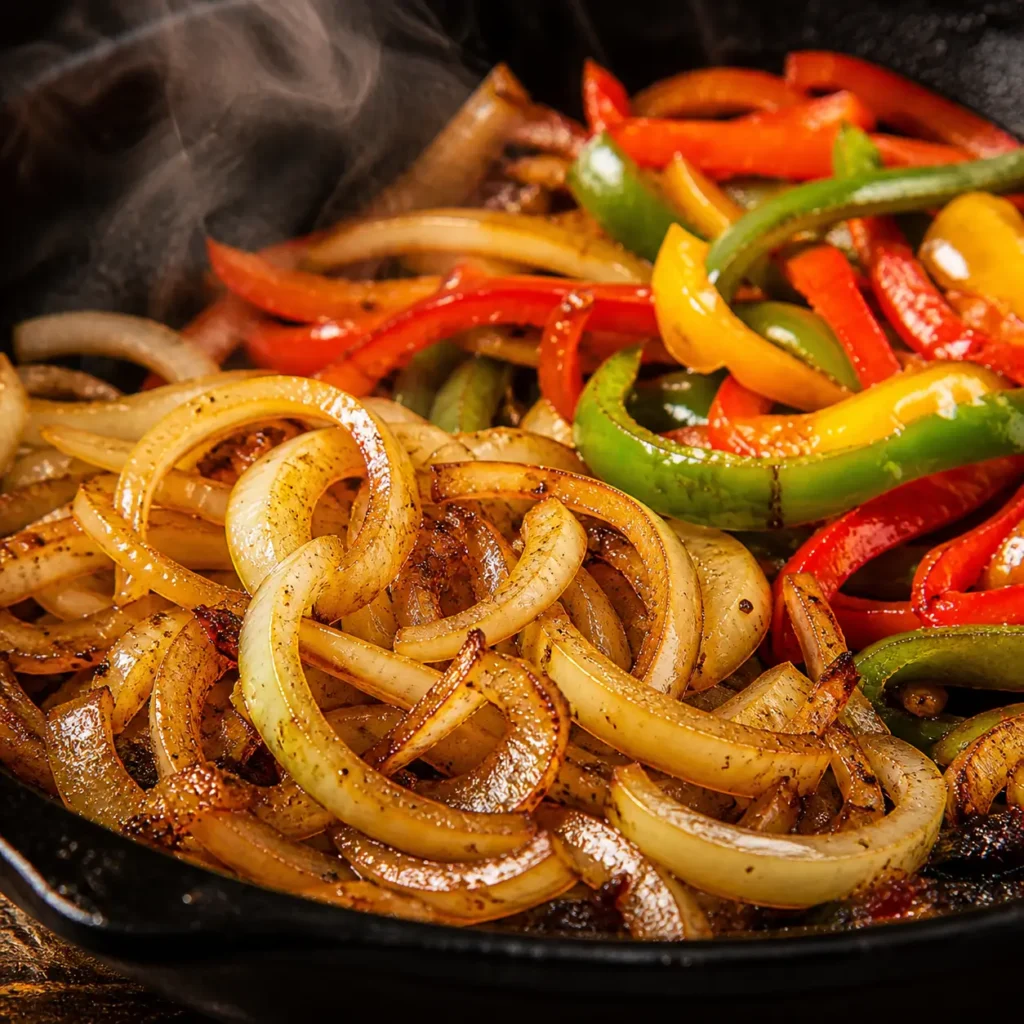
Yellow onions are widely considered the best onion for fajitas because they strike the perfect balance between sweetness and sharpness. When cooked over high heat, they caramelize beautifully and develop a rich flavor that pairs perfectly with steak, chicken, and shrimp.
They also hold their texture well during cooking. Instead of becoming mushy, yellow onions soften gradually while keeping slightly crisp edges.
Flavor Profile
Raw yellow onions have a strong flavor, but cooking transforms them into something much sweeter and smoother. This flavor transformation is exactly what fajitas need.
Their savory sweetness helps balance smoky spices like cumin, chili powder, paprika, and garlic.
Best Uses
Yellow onions work especially well in:
Steak fajitas
Their bold flavor pairs naturally with beef.
Chicken fajitas
They add depth without overpowering lighter meats.
Sheet pan fajitas
Yellow onions roast evenly and caramelize nicely in the oven.
White Onions: A Tex Mex Favorite
Traditional Flavor for Authentic Fajitas
White onions are extremely popular in Tex Mex cooking. They have a cleaner and slightly sharper flavor compared to yellow onions. Many restaurants use white onions for authentic fajita recipes because they provide brightness and freshness.
Cooking Characteristics
White onions cook quickly and develop light caramelization. They stay slightly firmer than yellow onions, which some people prefer for texture.
However, they can taste stronger if undercooked, so high heat cooking is important.
Best Uses
White onions are ideal for:
Shrimp fajitas
Their clean flavor complements seafood well.
Skillet fajitas
They cook quickly in cast iron pans.
Spicy fajitas
Their sharper flavor balances heavy seasoning.
Red Onions: Colorful but Less Traditional
Strong Flavor and Vibrant Appearance
Red onions bring beautiful color to fajitas, especially when mixed with green and red bell peppers. They are slightly sweeter when raw but can become milder during cooking.
Potential Drawbacks
Red onions are not usually considered the best onion for fajitas because they can lose their vibrant color during cooking. They also have a slightly different flavor profile that may not match traditional Tex Mex taste.
Still, many people enjoy them for visual appeal and mild sweetness.
Best Uses
Red onions work well in:
Vegetable fajitas
They add color variety and sweetness.
Grilled fajitas
Light charring enhances their flavor.
Fusion style fajitas
Great for modern or creative recipes.
Sweet Onions: Mild and Family Friendly
Naturally Sweet Flavor
Sweet onions such as Vidalia onions contain higher sugar levels and lower sulfur content. This gives them a very mild flavor that becomes even sweeter when cooked.
Softer Texture
Sweet onions cook down faster than yellow or white onions. They become very tender and slightly jammy, which some people love in fajitas.
Best Uses
Sweet onions are great for:
Chicken fajitas
Their mild flavor pairs nicely with lean meat.
Family meals
Children and picky eaters often prefer sweet onions.
Low spice fajitas
They add flavor without sharpness.
Which Onion Is Truly the Best Onion for Fajitas?
Best Overall Choice
For most recipes, yellow onions remain the best onion for fajitas because they offer the ideal combination of sweetness, caramelization, texture, and versatility.
Best for Authentic Tex Mex Flavor
White onions are excellent for people who want restaurant style Tex Mex fajitas with a more traditional flavor profile.
Best for Mild Flavor
Sweet onions are perfect for those who prefer softer, sweeter fajitas without strong onion flavor.
Best for Presentation
Red onions create colorful fajitas that look vibrant and fresh on the table.
Expert Tip for Better Fajitas
Slice Thickness Matters
Thin onion slices cook quickly and develop more caramelization. Thicker slices stay firmer and create more texture.
For most fajita recipes, medium thickness slices work best because they stay tender while still holding their shape.
Cook Onions Separately for Maximum Flavor
Many restaurant chefs partially caramelize onions before combining them with peppers and meat. This creates deeper flavor and prevents overcrowding in the skillet.
How to Cook Onions for Perfect Fajitas
Choosing the best onion for fajitas is only part of the process. Cooking technique matters just as much. Even the highest quality onions can become soggy, burned, or bland if they are not cooked properly. The goal is to create onions that are tender, slightly caramelized, flavorful, and still full of texture.
Restaurant style fajitas usually have onions with lightly charred edges and a rich savory sweetness. That signature flavor comes from high heat cooking, proper slicing, and careful timing.
The Best Way to Slice Onions for Fajitas
Cut Against the Grain for Softer Texture
Cutting onions against the grain creates softer strips that cook faster and blend smoothly into fajitas. This method helps onions become tender without turning mushy.
Slice Evenly for Consistent Cooking
Uneven slices create problems during cooking. Thin pieces may burn while thick pieces stay raw. Try to keep all slices close to the same thickness for even caramelization.
Medium Slices Work Best
Very thin slices can disappear into the dish, while thick slices may stay too crunchy. Medium slices provide the ideal balance between tenderness and texture.
Why High Heat Is Essential
Creates Caramelization
High heat helps natural sugars in onions caramelize quickly. This creates the slightly sweet, smoky flavor associated with restaurant fajitas.
Prevents Steaming
Low heat causes onions to release moisture slowly, leading to steaming instead of browning. Steamed onions taste softer and less flavorful.
Adds Slight Charring
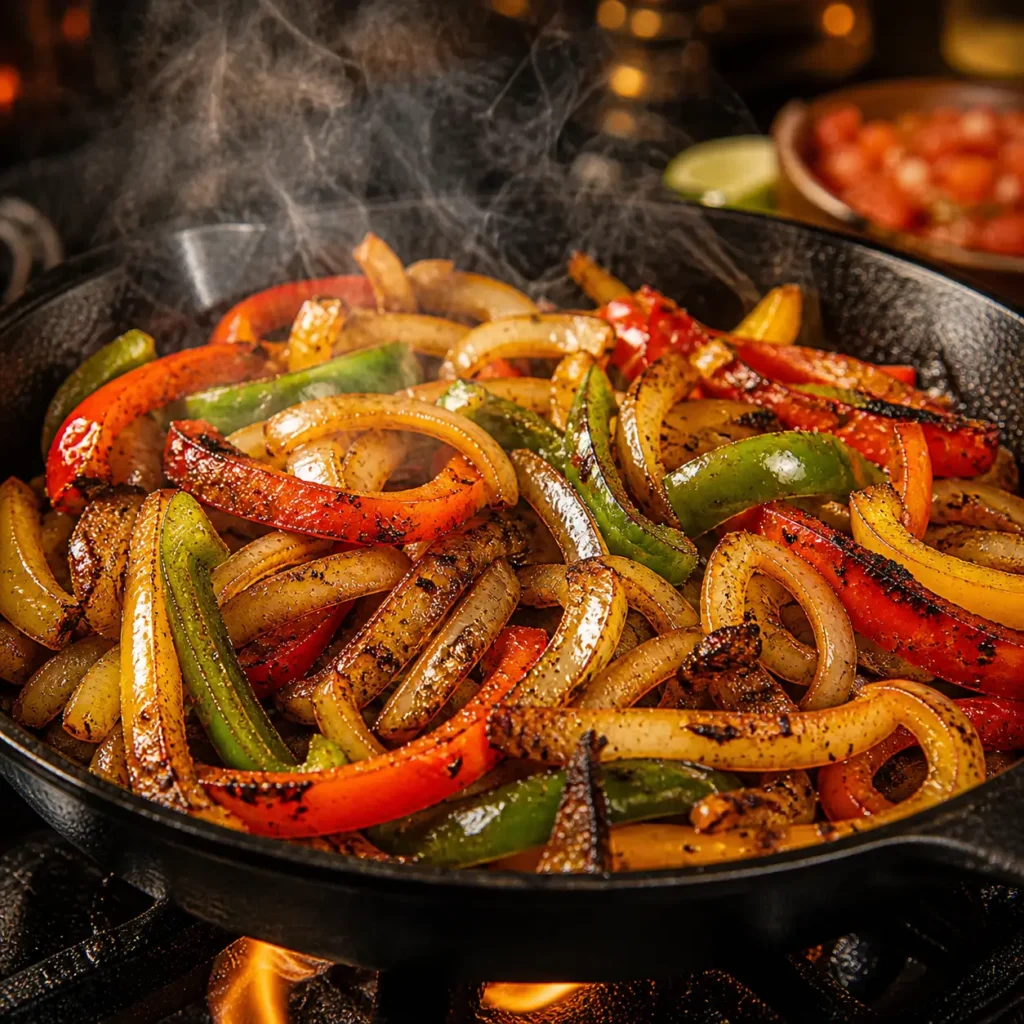
A hot skillet creates lightly charred edges that add depth and smoky character to fajitas.
The Best Cooking Methods for Fajita Onions
Cast Iron Skillet Cooking
Cast iron skillets are one of the best tools for fajitas because they retain high heat extremely well.
Benefits of Cast Iron
Excellent caramelization
Better charred flavor
Even cooking surface
Restaurant style texture
To get the best results, preheat the skillet thoroughly before adding onions.
Flat Top Griddle Cooking
Flat top griddles provide a large cooking surface that allows onions to spread out evenly. This reduces overcrowding and improves browning.
Oven Roasting
Sheet pan fajitas are popular because they are simple and convenient.
Tips for Roasting Onions
Use high oven temperatures
Avoid overcrowding the pan
Toss onions with oil before cooking
Stir halfway through roasting
Roasting creates sweeter onions with slightly softer texture compared to skillet cooking.
Oils That Improve Onion Flavor
Neutral Oils
Avocado oil and vegetable oil handle high temperatures well without burning.
Butter for Richness
A small amount of butter added near the end of cooking creates richer flavor and helps onions develop a glossy finish.
Olive Oil Considerations
Olive oil adds flavor but can smoke at very high temperatures. It works best for medium heat fajita recipes.
Common Mistakes That Ruin Fajita Onions
Overcrowding the Pan
Too many onions in one skillet trap moisture and prevent caramelization.
Using Low Heat
Low heat creates soft steamed onions instead of flavorful browned onions.
Stirring Too Often
Constant stirring prevents onions from developing browned edges. Let them sit briefly before turning.
Adding Salt Too Early
Salt draws moisture out of onions quickly. Waiting until onions begin browning helps improve caramelization.
Should You Cook Onions Before the Meat?
Benefits of Cooking Onions First
Cooking onions first allows them to develop color and sweetness without interference from meat juices.
Layering Flavor
Once onions caramelize slightly, meat and peppers absorb that flavor during the rest of cooking.
Restaurant Style Technique
Many restaurants cook onions separately before combining all ingredients for the final sizzle.
How Long Should Fajita Onions Cook?
Quick Cooking Time
Most fajita onions only need about 8 to 12 minutes over medium high or high heat.
Signs They Are Ready
Tender texture
Golden brown edges
Sweet aroma
Slight charring
Avoid Overcooking
Overcooked onions become too soft and lose their fresh flavor.
Pairing Onions With Peppers
Best Pepper Combinations
Green bell peppers add bitterness
Red bell peppers add sweetness
Yellow peppers create balance
Cooking Timing Matters
Peppers and onions cook at different speeds. Adding peppers slightly after onions helps both vegetables finish perfectly.
Restaurant Secrets for Better Onion Flavor
Small Amount of Sugar
Some chefs add a tiny pinch of sugar to help onions caramelize faster.
Splash of Lime Juice
Fresh lime juice added at the end brightens the flavor and balances sweetness.
Smoky Seasoning
Cumin, smoked paprika, and chili powder enhance caramelized onion flavor beautifully.
Best Onion for Fajitas Compared to Other Popular Choices
Finding the best onion for fajitas becomes much easier when you compare the most common onion varieties side by side. Many home cooks wonder whether yellow onions are truly better than white onions or if sweet onions can create even better flavor. The answer depends on the style of fajitas you want to make and the flavor experience you prefer.
The best onion for fajitas should enhance the seasoning, balance the peppers, and create rich caramelized flavor without overpowering the dish. Some onions excel in traditional Tex Mex recipes, while others work better in modern variations.
Yellow Onion vs White Onion for Fajitas
Flavor Differences
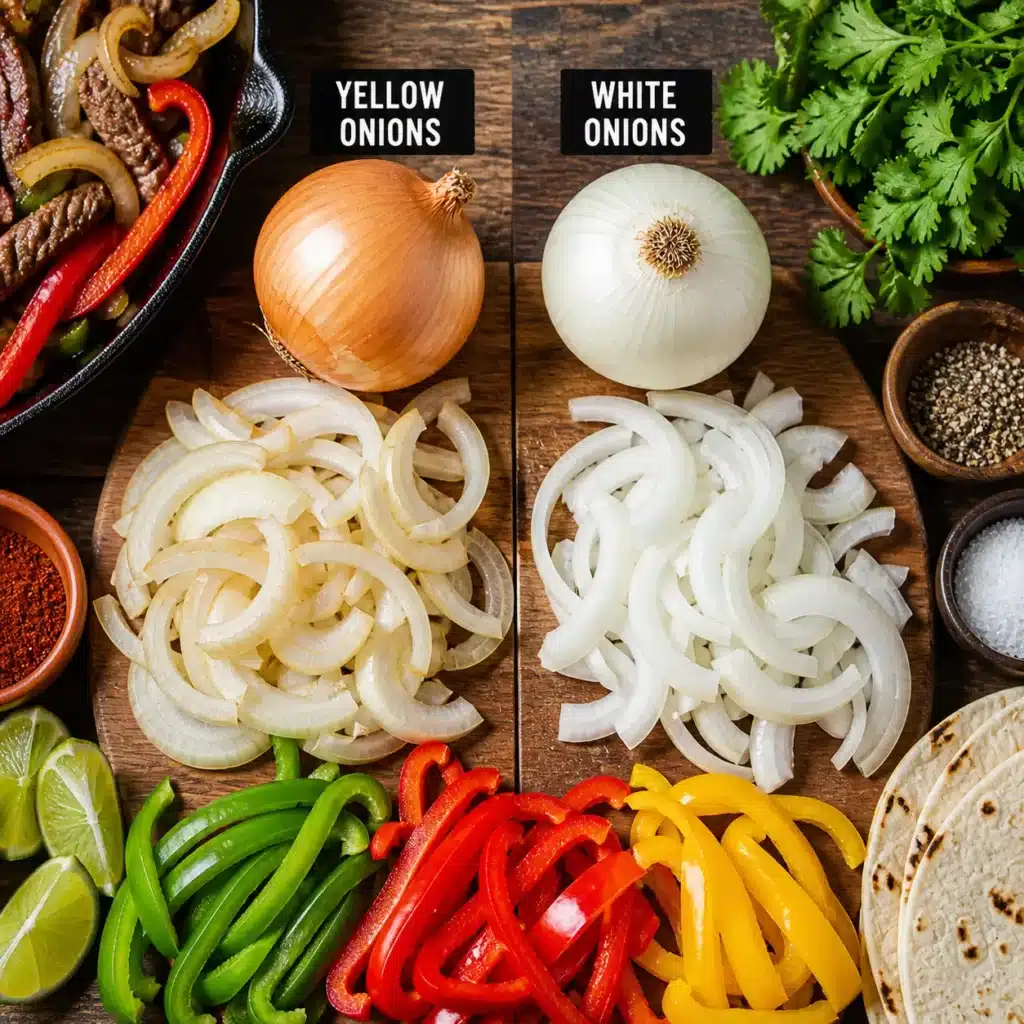
Yellow onions develop deeper sweetness during cooking. Their flavor becomes rich, savory, and slightly smoky when caramelized in a hot skillet.
White onions have a brighter and sharper flavor. They stay slightly more pungent even after cooking, which gives fajitas a more authentic Tex Mex character.
Which Onion Creates Better Caramelization?
Yellow onions usually caramelize better because they contain a balanced amount of sugar and sulfur compounds. This is one reason many chefs consider yellow onions the best onion for fajitas.
White onions caramelize too, but their flavor stays cleaner and less sweet.
Best Choice for Steak Fajitas
Yellow onions pair exceptionally well with beef because their sweetness balances savory meat and smoky spices.
Best Choice for Shrimp Fajitas
White onions often work better with shrimp because they taste lighter and fresher.
Yellow Onion vs Sweet Onion for Fajitas
Sweetness Level
Sweet onions contain more natural sugar, making them milder and softer during cooking.
Yellow onions provide balanced sweetness without becoming overly soft.
Texture Comparison
Sweet onions break down more quickly under high heat. Yellow onions maintain better structure and texture.
Which One Is Better?
For traditional sizzling fajitas, yellow onions are still considered the best onion for fajitas because they provide stronger texture and more balanced flavor.
Sweet onions are excellent for people who dislike strong onion flavor.
Red Onion vs Yellow Onion for Fajitas
Appearance and Color
Red onions create vibrant fajitas with beautiful contrast against peppers and meat.
Yellow onions turn golden brown and create a more classic restaurant appearance.
Flavor Differences
Red onions taste slightly sharper and sweeter when raw. Cooking softens them, but they still taste different from traditional fajita onions.
Traditional vs Modern Fajitas
Yellow onions dominate traditional fajita recipes, while red onions are more common in creative or modern versions.
Which Onion Do Restaurants Use Most Often?
Why Restaurants Prefer Yellow Onions
Many restaurants choose yellow onions because they are dependable, affordable, and highly versatile.
Yellow onions:
Caramelize evenly
Handle high heat well
Pair with all proteins
Create rich savory flavor
Maintain texture during cooking
These qualities make yellow onions the best onion for fajitas in most restaurant kitchens.
Why Some Restaurants Choose White Onions
Tex Mex restaurants sometimes use white onions to create brighter flavor and more authentic regional taste.
The Best Onion for Different Types of Fajitas
Best Onion for Chicken Fajitas
Yellow onions are ideal because they add savory depth without overpowering chicken.
Best Onion for Steak Fajitas
Yellow onions remain the best onion for fajitas when using steak because caramelized sweetness complements beef perfectly.
Best Onion for Shrimp Fajitas
White onions provide lighter flavor that pairs naturally with seafood.
Best Onion for Vegetarian Fajitas
Red onions and sweet onions can add extra sweetness and color to vegetable fajitas.
Does Onion Freshness Matter?
Fresh Onions Taste Better
Fresh onions contain more moisture and stronger natural sweetness. Older onions may taste bitter or dry.
How to Choose Fresh Onions
Look for onions that feel firm and heavy with dry outer skin.
Avoid onions with:
Soft spots
Sprouting tops
Dark patches
Strong odor
Organic vs Conventional Onions
Is Organic Better?
Organic onions may offer slightly fresher flavor depending on the source, but both organic and conventional onions work well for fajitas.
What Matters Most
Freshness and proper cooking technique matter more than whether onions are organic.
Best Onion for Fajitas According to Home Cooks
Popular Opinions
Many home cooks prefer yellow onions because they are easy to cook and consistently flavorful.
Others enjoy white onions for authentic Tex Mex recipes.
Why Yellow Onions Usually Win
When people search for the best onion for fajitas, yellow onions continue to rank highest because they provide the most balanced flavor and texture combination.
Best Onion for Fajitas Recipe and Serving Ideas
Now that you know how to choose the best onion for fajitas, it is time to put that knowledge into practice. A well cooked onion can transform homemade fajitas from average to restaurant quality. The combination of sizzling onions, colorful peppers, smoky seasoning, and juicy protein creates a meal that feels comforting, flavorful, and satisfying.
This section covers a complete fajita recipe, serving ideas, topping combinations, and practical tips that help maximize flavor.
Easy Steak Fajitas Using the Best Onion for Fajitas
Why This Recipe Works
This recipe focuses on high heat cooking and proper onion caramelization. Yellow onions are used because they remain the best onion for fajitas for most home cooks and professional chefs.
The result is a skillet full of tender steak, sweet onions, smoky peppers, and bold Tex Mex flavor.
Ingredients
For the Steak
1 pound flank steak or skirt steak
1 tablespoon olive oil
1 teaspoon chili powder
1 teaspoon smoked paprika
1 teaspoon cumin
1 teaspoon garlic powder
1 teaspoon salt
1 half teaspoon black pepper
For the Vegetables
2 large yellow onions sliced
3 bell peppers sliced
1 tablespoon avocado oil
For Serving
Warm flour tortillas
Fresh lime wedges
Cilantro
Sour cream
Guacamole
Shredded cheese
Step by Step Cooking Instructions
Step 1: Season the Steak
Mix chili powder, smoked paprika, cumin, garlic powder, salt, and black pepper. Coat the steak evenly and let it rest for at least 20 minutes.
Step 2: Heat the Skillet
Place a cast iron skillet over high heat until very hot.
Step 3: Cook the Onions
Add avocado oil and sliced yellow onions. Let them cook undisturbed for several minutes before stirring.
This allows the onions to caramelize properly and develop the rich flavor expected from the best onion for fajitas.
Step 4: Add the Peppers
Once onions begin turning golden brown, add bell peppers. Cook until slightly tender but still vibrant.
Step 5: Cook the Steak
Remove vegetables temporarily and sear steak for several minutes per side.
Step 6: Combine Everything
Slice the steak thinly and return vegetables to the skillet. Toss together until hot and sizzling.
Why Yellow Onions Improve This Recipe
Balanced Sweetness
Yellow onions become sweet enough to balance spices without becoming overpowering.
Better Texture
The onions stay tender while keeping slight crispness around the edges.
Rich Caramelization
Their natural sugars create deep flavor during high heat cooking.
These qualities reinforce why yellow onions remain the best onion for fajitas in classic recipes.
Best Tortillas for Fajitas
Flour Tortillas
Soft flour tortillas are the most popular option because they hold fillings well and create classic restaurant style fajitas.
Corn Tortillas
Corn tortillas provide more authentic flavor and slightly firmer texture.
Toasting Tips
Warm tortillas directly over a gas flame or hot skillet for better flavor and flexibility.
Best Toppings for Fajitas
Fresh Lime Juice
Lime juice brightens rich onion and meat flavors.
Guacamole
Creamy avocado balances smoky seasoning.
Cilantro
Fresh cilantro adds freshness and color.
Sour Cream
Cool sour cream balances spicy fajita seasoning.
Pico de Gallo
Fresh tomato salsa adds acidity and texture.
Best Side Dishes for Fajitas
Mexican Rice
Rice absorbs juices from onions, steak, and peppers beautifully.
Refried Beans
Creamy beans pair perfectly with sizzling fajitas.
Street Corn
Mexican street corn adds sweetness and smoky flavor.
Tortilla Chips and Salsa
Crunchy chips provide texture contrast.
How to Store Leftover Fajitas
Refrigeration
Store cooked onions, peppers, and meat in airtight containers for up to 4 days.
Reheating Tips
Reheat fajitas in a skillet over medium high heat instead of using a microwave. This helps onions stay flavorful instead of becoming soggy.
Freezing
Cooked fajita mixtures freeze well for quick future meals.
Meal Prep Tips
Slice Vegetables Early
Onions and peppers can be sliced one or two days ahead.
Marinate Meat Overnight
Longer marinating improves flavor and tenderness.
Use Separate Containers
Store onions separately if you want maximum freshness and texture during reheating.
Healthy Fajita Variations
Low Carb Fajitas
Serve fajitas in lettuce wraps instead of tortillas.
High Protein Options
Use extra chicken or steak with fewer tortillas.
Vegetarian Fajitas
Add mushrooms, zucchini, and black beans for hearty texture.
Dairy Free Fajitas
Skip cheese and sour cream while using avocado for creaminess.
Why the Best Onion for Fajitas Changes Everything
The right onion creates sweetness, texture, aroma, and balance that elevate every bite. While several onion varieties can work, yellow onions continue to stand out as the best onion for fajitas because they caramelize beautifully, pair with every protein, and create classic sizzling skillet flavor.
Whether you are making steak fajitas for family dinner or preparing chicken fajitas for a weekend gathering, onion choice can make a noticeable difference in the final result.
Final Thoughts on the Best Onion for Fajitas
Choosing the best onion for fajitas may seem like a small detail, but it has a major impact on the final dish. The right onion creates sweetness, caramelization, and rich flavor that turn simple ingredients into restaurant quality fajitas.
Yellow onions remain the best onion for fajitas for most recipes because they balance sweetness and savory flavor while handling high heat beautifully. White onions are excellent for authentic Tex Mex flavor, while sweet onions and red onions can work well in specific variations.
When paired with high heat cooking, proper slicing, and bold seasoning, the best onion for fajitas helps create sizzling homemade meals that taste fresh, smoky, and deeply satisfying.
Frequently Asked Questions About the Best Onion for Fajitas
People often underestimate how important onions are in fajita recipes. Choosing the best onion for fajitas can improve sweetness, texture, aroma, and overall flavor. Below are answers to common questions people ask when trying to make better homemade fajitas.
What Is the Best Onion for Fajitas?
The Top Overall Choice
Yellow onions are widely considered the best onion for fajitas because they caramelize beautifully and create balanced savory sweetness during cooking.
Their texture also holds up well under high heat, which makes them ideal for sizzling skillet fajitas.
Why Yellow Onions Are Popular
Yellow onions:
Cook evenly
Develop rich flavor
Pair with steak, chicken, and shrimp
Create restaurant style fajita flavor
This is why many chefs still consider yellow onions the best onion for fajitas for traditional recipes.
Can You Use White Onions for Fajitas?
Excellent for Tex Mex Flavor
Yes, white onions are another strong option when searching for the best onion for fajitas. They are commonly used in Tex Mex cooking because they provide bright and slightly sharper flavor.
Best Cooking Method
White onions taste best when cooked over very high heat so they can caramelize properly without becoming too pungent.
Are Red Onions Good for Fajitas?
Good for Color and Sweetness
Red onions can work well in fajitas, especially vegetable fajitas or grilled fajitas.
Less Traditional
Although tasty, red onions are usually not considered the best onion for fajitas because their flavor differs from classic Tex Mex style.
Should Onions Be Soft or Crispy in Fajitas?
Ideal Texture
The best onion for fajitas should be tender with lightly crisp edges.
Overcooked onions become mushy, while undercooked onions can taste too sharp.
Restaurant Style Texture
Most restaurant fajitas use onions that are caramelized but still slightly firm.
How Thick Should You Slice Onions for Fajitas?
Medium Thickness Is Best
Medium slices provide the perfect balance between softness and texture.
Thin slices cook quickly and caramelize well, but slices that are too thin may disappear into the dish.
Consistency Matters
Uniform slicing helps onions cook evenly and improves the final texture.
What Peppers Pair Best With the Best Onion for Fajitas?
Classic Bell Pepper Combination
Green bell peppers add slight bitterness
Red bell peppers add sweetness
Yellow peppers create balance
These peppers pair especially well with yellow onions, which remain the best onion for fajitas in most recipes.
Why Do Restaurant Fajitas Taste Better?
High Heat Cooking
Restaurants use extremely hot grills or cast iron skillets that caramelize onions quickly.
Better Onion Browning
Professional chefs allow onions to develop charred edges and deeper sweetness before combining them with meat.
Proper Onion Choice
Many restaurants carefully choose the best onion for fajitas to achieve signature flavor and texture.
Can Sweet Onions Replace Yellow Onions?
Yes, but With Differences
Sweet onions can work as the best onion for fajitas if you prefer mild flavor.
Texture Changes
Sweet onions soften faster and become more delicate during cooking.
Yellow onions still perform better for classic sizzling fajitas because they maintain stronger texture.
Should You Cook Onions Before Peppers?
Recommended Method
Yes, onions should usually cook first because they take slightly longer to caramelize.
Better Flavor Development
Starting with onions allows them to release sweetness before peppers are added.
This method helps maximize flavor when using the best onion for fajitas.
How Do You Prevent Soggy Fajita Onions?
Use High Heat
High heat prevents onions from steaming.
Avoid Overcrowding
Too many vegetables in one pan trap moisture and reduce caramelization.
Stir Less Often
Allow onions to sit briefly in the skillet so browned edges can form properly.
Can You Make Fajitas Without Onions?
Technically Yes
Fajitas can still be made without onions, but the flavor will be noticeably less rich and balanced.
Why Onions Matter
The best onion for fajitas adds sweetness, aroma, and texture that help create authentic sizzling skillet flavor.
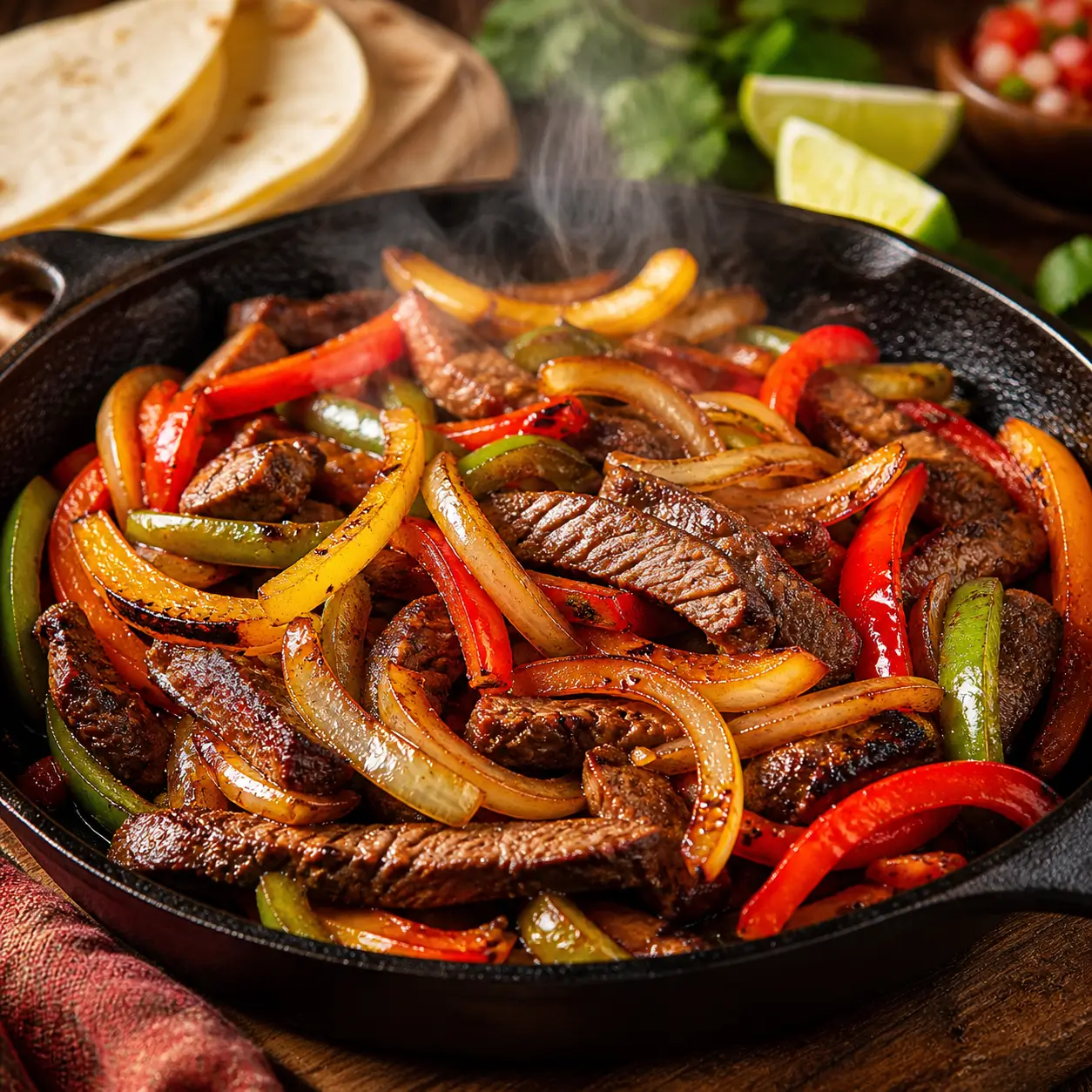
Best Onion for Fajitas Which Variety Tastes Better?
Ingredients
Method
- Slice the steak into thin strips against the grain and place in a large bowl.
- Add olive oil, chili powder, smoked paprika, cumin, garlic powder, salt, and black pepper. Toss until evenly coated.
- Let the steak marinate for 20 minutes at room temperature.
- Heat a large cast iron skillet over high heat until very hot.
- Add avocado oil and sliced yellow onions to the skillet.
- Cook onions for 5 to 7 minutes until softened and caramelized around the edges.
- Add sliced bell peppers and cook for another 4 minutes until slightly tender but still vibrant.
- Transfer vegetables to a plate temporarily.
- Add the marinated steak to the hot skillet in a single layer.
- Cook steak for 3 to 5 minutes, stirring occasionally, until browned and fully cooked.
- Return onions and peppers to the skillet and toss everything together.
- Warm tortillas in a dry skillet or directly over a flame.
- Serve fajitas hot with lime wedges, cilantro, sour cream, guacamole, and shredded cheese.