
Clove water recipe is becoming increasingly popular among health conscious Americans looking for simple, natural drinks they can prepare at home. Whether you discovered it through social media, wellness blogs, or traditional home remedies, the clove water recipe stands out for its simplicity and accessibility. With just water and whole cloves, this preparation fits easily into a balanced lifestyle without requiring expensive ingredients or complicated steps.
Clove water recipe searches often come from people wanting clear answers: What is it exactly? How do you prepare it properly? Should you boil or soak the cloves? And how is it typically consumed? At its core, this drink is made by infusing whole cloves in water, either by boiling them briefly or allowing them to steep for several hours. The result is a mildly spicy, aromatic beverage that many people incorporate into their morning or evening routines.
Interest in the clove water recipe continues to grow in the United States as more individuals explore traditional spice based beverages. Cloves themselves are dried flower buds commonly used in cooking, baking, and seasonal drinks. When placed in water, they release their distinctive aroma and flavor, creating a concentrated infusion.
Curious why this simple cocktail has become a Texas favorite? Click below to discover how to make the refreshing classic everyone loves Ranch Water Recipe The Simple Cocktail Texans Love
What Is Clove Water and Why Do People Drink It?
Clove water recipe instructions begin with understanding what this drink actually is. Clove water is simply water that has been infused with whole cloves, allowing their natural flavor and aromatic compounds to blend into the liquid. The clove water recipe has roots in traditional kitchens where spices were often used not only for cooking but also for simple homemade beverages.
When people search for a clove water recipe in the United States, they are usually looking for practical information. Some want a warm morning drink that feels comforting. Others are curious about adding spice based drinks to their wellness routine. Many are interested in easy recipes made from pantry ingredients.
Cloves are the dried flower buds of the Syzygium aromaticum tree. They have a strong, warm, slightly sweet flavor. When added to hot water, they release their aroma quickly. When soaked in room temperature water, the infusion develops more gradually and results in a milder taste.
People commonly drink clove water in the morning on an empty stomach or in the evening as part of a calming routine. Some choose it as a caffeine free alternative to coffee or tea. Others use the clove water recipe occasionally when they want something warm and spiced without added sugar.
Below is a simple overview to clarify what clove water is and how it differs from other spice drinks:
| Feature | Clove Water | Clove Tea | Spiced Herbal Drink |
|---|---|---|---|
| Main Ingredient | Whole cloves | Cloves plus tea leaves | Multiple spices |
| Preparation | Boiled or infused | Brewed like tea | Simmered with herbs |
| Flavor | Strong and warm | Mild to medium | Complex and layered |
| Additives | Usually none | Sometimes honey | Often sweetened |
Understanding the basics of the clove water recipe helps you prepare it correctly and choose the method that fits your taste preferences and routine.
Ingredients Needed for the Perfect Clove Water Recipe
One reason the clove water recipe is so popular in the United States is its simplicity. You do not need specialty tools or hard to find ingredients. In fact, most kitchens already have everything required to prepare this drink.
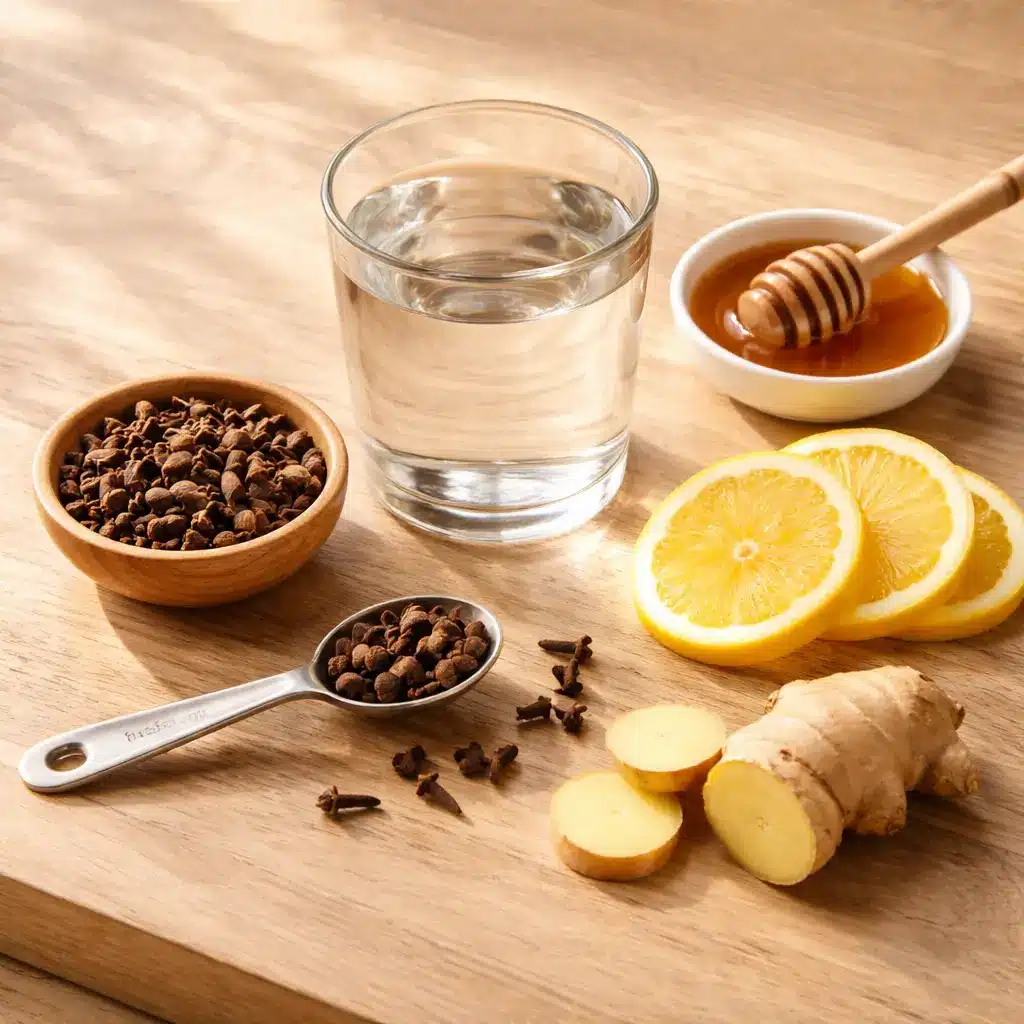
Basic Ingredients
The traditional clove water recipe requires only two ingredients:
- Whole cloves
- Water
That is it. However, the quality of these ingredients can affect the flavor and overall experience.
Whole cloves are preferred over ground cloves. Whole cloves release their flavor slowly and are easier to strain out after preparation. Ground cloves can make the water cloudy and gritty, which many people find unpleasant.
Fresh, clean drinking water is also important. Filtered water is often recommended to ensure a clean taste, especially if your local tap water has a noticeable flavor.
Standard Measurement Guide
Here is a simple reference table for preparing one serving or a larger batch of the clove water recipe:
| Serving Size | Water | Whole Cloves | Yield |
|---|---|---|---|
| 1 cup | 8 ounces | 3 to 5 cloves | 1 serving |
| 2 cups | 16 ounces | 6 to 8 cloves | 2 servings |
| 1 quart | 32 ounces | 10 to 12 cloves | 3 to 4 servings |
Using too many cloves can make the drink very strong and intense. Starting with fewer cloves allows you to adjust the strength gradually based on your taste preference.
Optional Additions
While the classic clove water recipe includes only cloves and water, some people like mild variations. Common additions include:
Fresh lemon slices
A small piece of ginger
A teaspoon of honey
A cinnamon stick
These additions are optional and depend on personal taste. If you are trying the clove water recipe for the first time, it is best to start simple and then experiment once you understand the natural flavor.
How to Make Clove Water Recipe Using the Boiled Method
The boiled method is one of the most common ways to prepare a clove water recipe. This approach extracts flavor quickly and produces a stronger, more concentrated drink. Many people in the United States prefer this method when they want a warm beverage in the morning or during colder months.
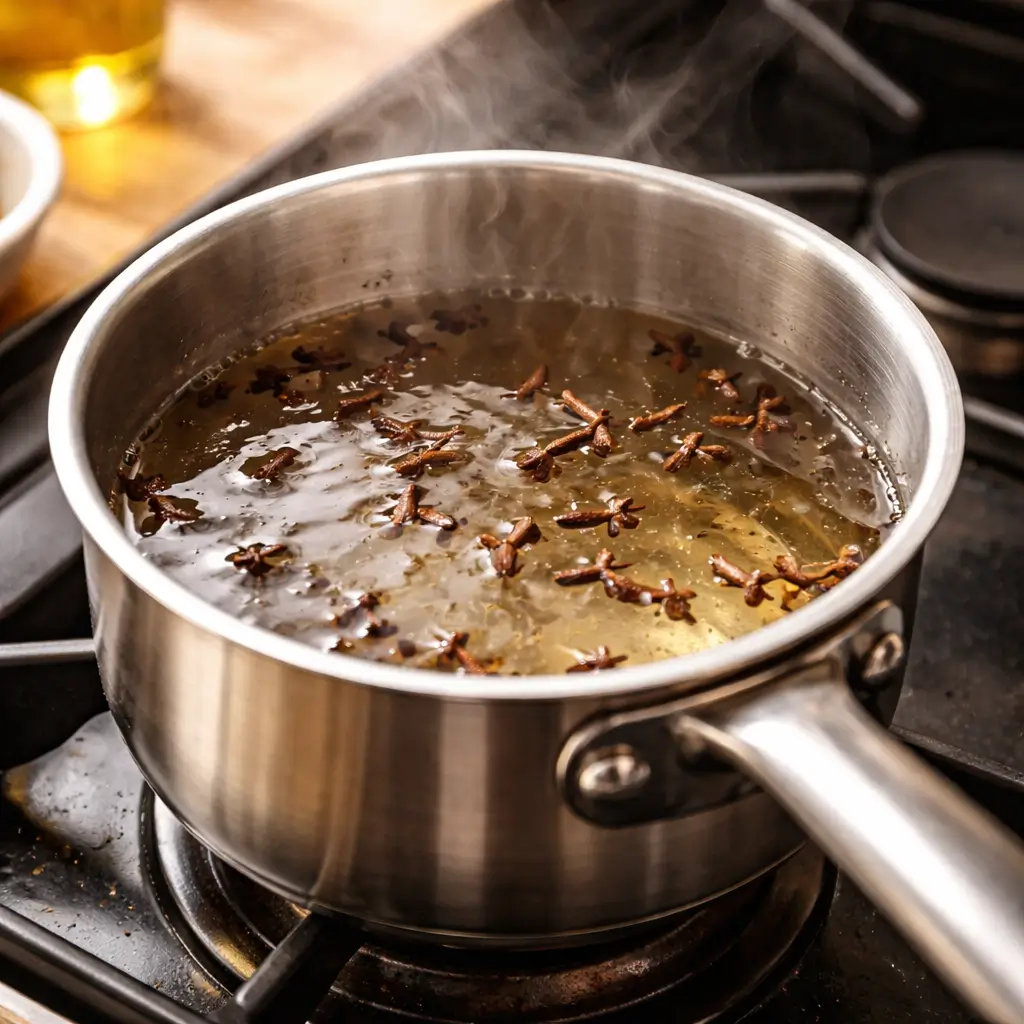
Step by Step Instructions
Follow these simple steps to prepare the clove water recipe using heat:
- Measure 1 cup of water and pour it into a small saucepan.
- Add 3 to 5 whole cloves to the water.
- Bring the water to a gentle boil over medium heat.
- Once boiling, reduce the heat and let it simmer for 5 to 10 minutes.
- Remove from heat and allow it to cool slightly.
- Strain out the cloves before drinking.
That is the complete boiled clove water recipe. The longer you simmer, the stronger and more intense the flavor becomes.
What to Expect in Flavor
Boiling releases more of the clove’s natural compounds into the water. As a result, the drink has a bold, warm, slightly spicy taste. Some people describe it as earthy with mild sweetness. If the flavor feels too strong, you can dilute it with a little additional warm water.
When to Use the Boiled Method
The boiled clove water recipe is often chosen when:
You want a stronger taste
You plan to drink it warm
You need a quick preparation method
You prefer immediate infusion rather than overnight soaking
If you are new to the clove water recipe, start with fewer cloves and shorter simmering time. You can always increase the strength gradually.
How to Make Clove Water Recipe Using the Infused Method
If you prefer a milder taste or want a no heat option, the infused clove water recipe is a simple alternative. This method relies on time rather than heat to draw out the flavor of the cloves. Many people in the United States choose this approach because it is convenient and requires minimal effort.
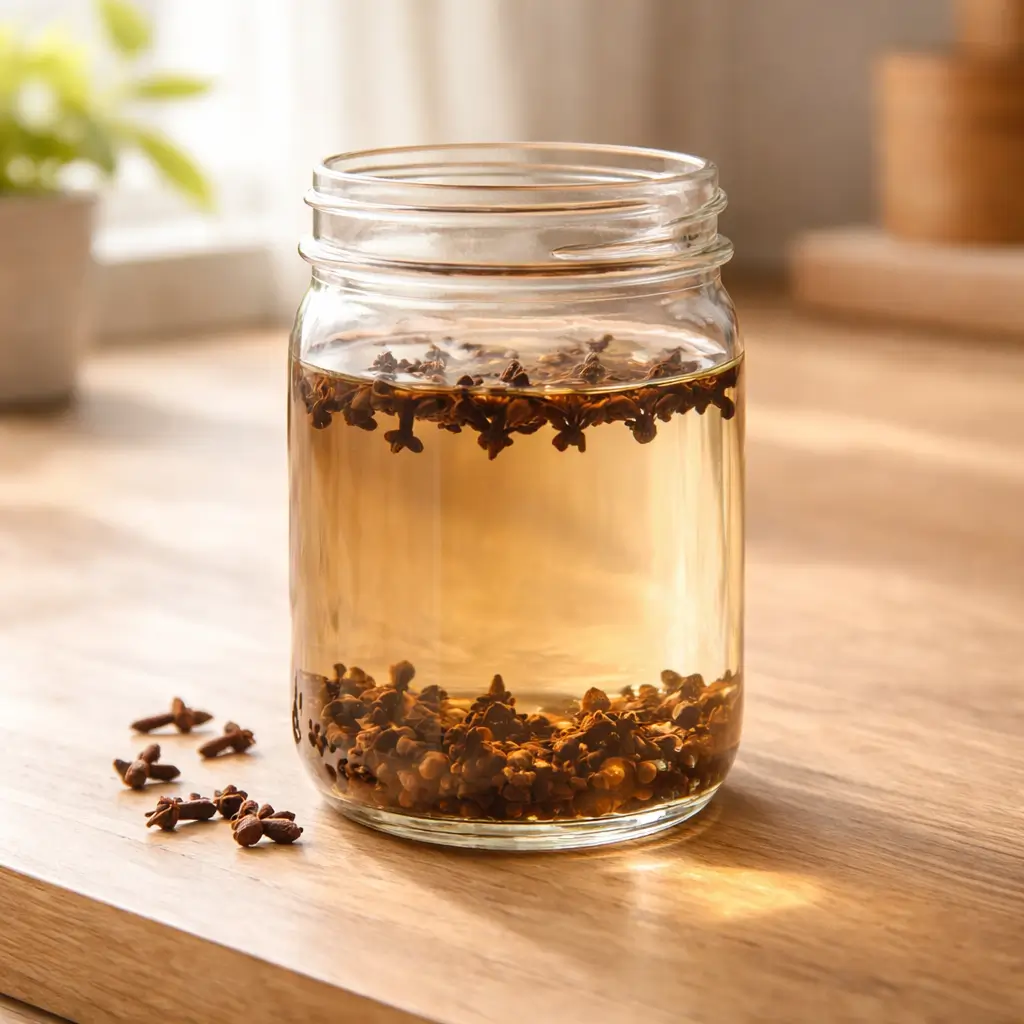
Step by Step Instructions
Here is how to prepare the clove water recipe using the infusion method:
- Fill a glass or jar with 1 cup of room temperature drinking water.
- Add 3 to 5 whole cloves to the water.
- Cover the container and let it sit at room temperature for 6 to 8 hours.
- For a stronger infusion, place it in the refrigerator overnight.
- Strain the cloves before drinking.
This version of the clove water recipe develops gradually and results in a smoother, lighter flavor compared to the boiled method.
Boiled vs Infused Comparison
To help you decide which method fits your routine, here is a simple comparison:
| Feature | Boiled Method | Infused Method |
|---|---|---|
| Preparation Time | 10 to 15 minutes | 6 to 8 hours |
| Flavor Strength | Strong and bold | Mild and smooth |
| Best For | Warm drink | Room temperature or chilled drink |
| Convenience | Quick preparation | Set and forget approach |
When to Choose the Infused Method
The infused clove water recipe is ideal if:
You want a gentler taste
You prefer planning ahead
You enjoy chilled or room temperature drinks
You want to avoid using the stove
Both methods are effective and simple. The right choice depends on your schedule and flavor preference.
How to Drink Clove Water and Typical Usage
Once you prepare a clove water recipe, the next question is how to drink it and how often it is typically consumed. In the United States, most people incorporate this drink into their routine in a simple and moderate way.
When Is Clove Water Usually Consumed?
Many people drink clove water in the morning before breakfast. Others prefer it in the evening as part of a calming routine. There is no strict rule, but consistency and moderation are important.
Common times people choose to drink clove water include:
Early morning on an empty stomach
Midday as a caffeine free alternative
Evening before bed
Occasionally as part of a wellness routine
The clove water recipe is not meant to replace meals or medical treatments. It is generally used as a supportive beverage rather than a primary source of nutrition.
How Much Clove Water Is Typically Consumed?
Moderation is key. Most individuals who follow a clove water recipe limit intake to about:
1 cup per day for beginners
Up to 2 cups per day for those who tolerate it well
Drinking excessive amounts may result in a very strong flavor and could cause digestive discomfort for some people. Starting with a small serving allows your body to adjust.
Warm vs Cold Consumption
The clove water recipe can be enjoyed warm or chilled. Warm versions are common during colder months, while chilled clove water is refreshing in warmer climates.
Here is a quick usage summary:
| Preference | Suggested Method | Typical Serving |
|---|---|---|
| Morning routine | Boiled | 1 cup warm |
| Light daily use | Infused | 1 cup room temperature |
| Summer option | Infused overnight | 1 cup chilled |
Understanding how to drink clove water helps you use the clove water recipe in a balanced and practical way.
Possible Benefits of Clove Water Recipe
Many people searching for a clove water recipe are curious about its potential benefits. While cloves have been used traditionally in cooking and herbal practices, it is important to approach this topic responsibly. The clove water recipe is not a medical treatment, and it should not replace professional healthcare advice.
That said, cloves naturally contain compounds such as eugenol, which contributes to their distinctive aroma and flavor. Because of these properties, clove based drinks are often associated with general wellness support.
Commonly Discussed Benefits
Here are some of the reasons people include a clove water recipe in their routine:
Supports digestion after meals
Provides a warming, soothing beverage
Offers a caffeine free alternative to coffee
Contains naturally occurring antioxidant compounds
May help freshen breath due to its strong aroma
These associations are based on traditional use and general nutritional understanding of cloves, not medical claims. Individual experiences can vary.
Nutritional Snapshot of Cloves
Although clove water contains diluted amounts compared to whole cloves, here is a simplified overview of what cloves naturally contain:
| Component | Naturally Present in Cloves | Role in Diet |
|---|---|---|
| Eugenol | Yes | Contributes to aroma and flavor |
| Antioxidants | Yes | Help protect cells from oxidative stress |
| Fiber | Yes in whole cloves | Supports digestive health |
| Vitamins and Minerals | Small amounts | Part of a balanced diet |
Because the clove water recipe uses only a few whole cloves, the drink is mild and not a concentrated supplement. It should be viewed as a flavored water option rather than a nutrient dense beverage.
Variations and Important Safety Considerations
The basic clove water recipe is simple, but many people enjoy small variations to adjust flavor and experience. At the same time, understanding safety considerations is essential before making this drink part of your daily routine.
Popular Variations of Clove Water Recipe
While the traditional clove water recipe uses only water and whole cloves, here are a few common additions used in American kitchens:
Lemon slices for a brighter flavor
Fresh ginger for extra warmth
A cinnamon stick for deeper spice notes
A small amount of honey for mild sweetness
These additions change the flavor profile without making the drink overly complex. If you experiment, start with small amounts to avoid overpowering the cloves.
Here is a quick comparison of flavor variations:
| Variation | Flavor Profile | Best For |
|---|---|---|
| Clove and lemon | Warm and slightly tangy | Morning drink |
| Clove and ginger | Bold and spicy | Cold weather |
| Clove and cinnamon | Deep and aromatic | Evening routine |
| Plain clove water | Clean and strong | Daily simplicity |
Important Safety Considerations
Although the clove water recipe is generally mild when prepared correctly, moderation is important.
Use whole cloves instead of clove oil
Avoid excessive daily intake
Pregnant or breastfeeding individuals should consult a healthcare professional
People taking blood thinning medications should speak with a doctor before regular use
Stop use if you experience discomfort
Cloves are strong spices, and concentrated forms such as clove oil are not the same as diluted clove water. Always prepare the clove water recipe using small amounts of whole cloves. By understanding both variations and safety considerations, you can enjoy clove water in a balanced and responsible way.
Conclusion
The clove water recipe is a simple, affordable, and practical way to incorporate a traditional spice infused drink into your daily routine. With just whole cloves and water, you can prepare this beverage using either the boiled method for a stronger flavor or the infused method for a milder, smoother taste. Both approaches are easy to follow and require minimal time and equipment, making this recipe accessible to almost anyone.
Many people in the United States are drawn to the clove water recipe because it fits into a balanced lifestyle without added sugars, artificial ingredients, or caffeine. Whether you choose to drink it in the morning, in the evening, or occasionally throughout the week, moderation and consistency are key. Starting with a small serving allows you to understand how your body responds before making it a regular habit.
It is also important to remember that while cloves contain naturally occurring compounds, clove water is not a medical treatment. The clove water recipe should be viewed as a flavorful hydration option rather than a cure or replacement for professional healthcare advice.
By following proper preparation methods, using whole cloves, and paying attention to safety considerations, you can enjoy clove water confidently. If you are looking for a natural, spice based drink that is easy to prepare and customizable, the clove water recipe offers a straightforward option worth trying.
Frequently Asked Questions About Clove Water Recipe
What is a clove water recipe used for?
A clove water recipe is typically used to create a simple spice infused drink made from whole cloves and water. Many people drink it as part of a morning or evening routine, while others use it as a caffeine free alternative to coffee or tea. It is commonly chosen for its warm flavor and simplicity.
Can I drink clove water every day?
Many people drink clove water in moderation, usually about one cup per day. Because cloves are strong spices, it is best to start with small amounts and see how your body responds. If you plan to drink it daily, keeping the clove water recipe mild is generally recommended.
Should I boil or soak cloves for the best results?
Both methods work well. The boiled clove water recipe produces a stronger and more concentrated flavor in a shorter amount of time. The infused method creates a milder taste and is convenient if you prefer to prepare it overnight.
How many cloves should I use per cup?
Most clove water recipe instructions suggest using 3 to 5 whole cloves per 8 ounces of water. Using more can make the drink very strong and intense. It is easier to increase strength gradually than to correct an overly concentrated batch.
Can I add lemon or honey to clove water?
Yes, many people customize their clove water recipe with lemon, ginger, cinnamon, or a small amount of honey. These additions can adjust the flavor while keeping the preparation simple. Start with small quantities to avoid overpowering the cloves.
Is clove water the same as clove tea?
Not exactly. A clove water recipe usually involves only cloves and water. Clove tea may include tea leaves or additional herbs. Clove water is typically simpler and more concentrated in clove flavor.
Can I drink clove water on an empty stomach?
Some people prefer drinking clove water in the morning before eating. However, if you have a sensitive stomach, you may want to try it after a light meal first to see how you tolerate it.
How long can I store clove water?
Fresh clove water is best consumed within 24 hours if refrigerated. For best flavor and freshness, prepare a new batch daily rather than storing it for several days.
Are there any side effects of clove water?
When prepared using a standard clove water recipe with a small number of whole cloves, most people tolerate it well. Drinking large amounts or using concentrated forms like clove oil may cause discomfort. Moderation is important.
Can I use ground cloves instead of whole cloves?
It is possible, but not recommended. Ground cloves can make the water cloudy and gritty. Whole cloves are easier to strain and provide a cleaner taste, making them the preferred choice for a clove water recipe.
Follow us on Pinterest
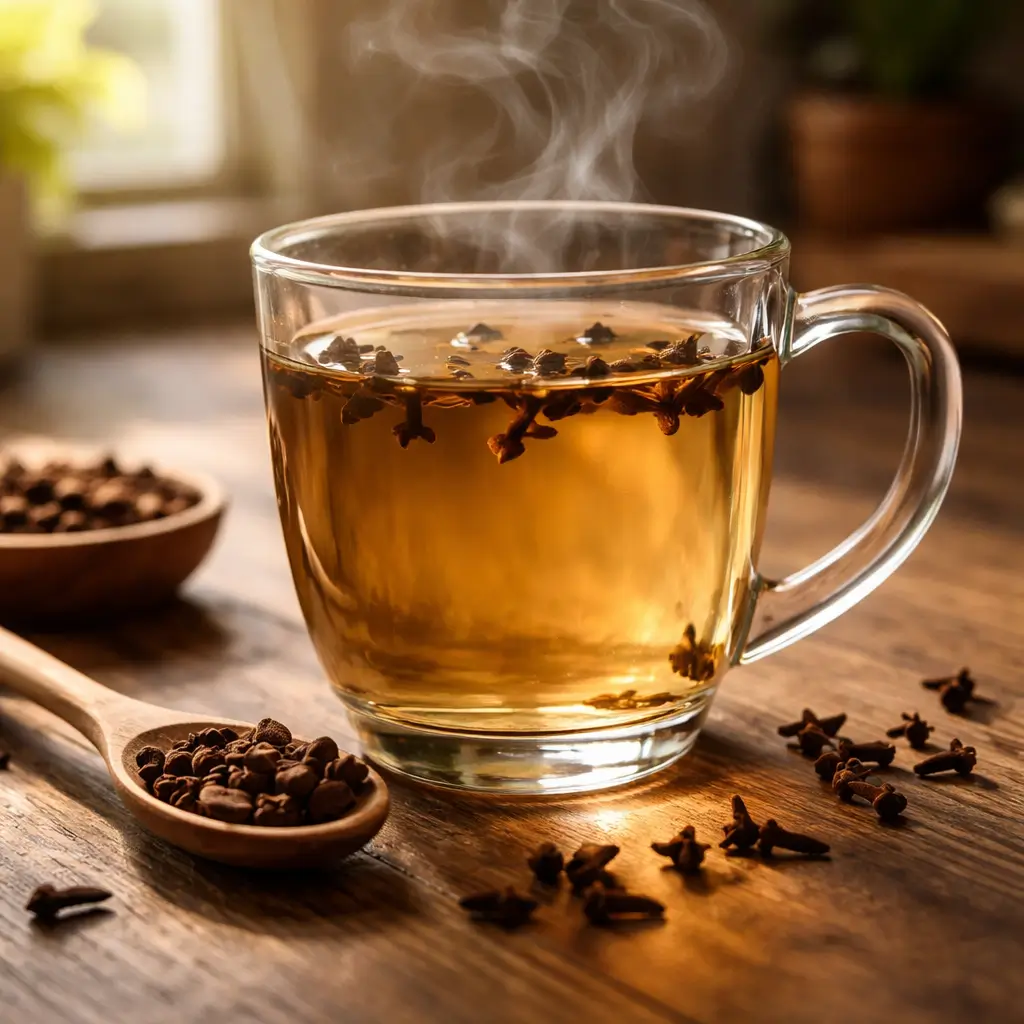
clove water recipe
Ingredients
Method
- Pour 1 cup of water into a small saucepan.
- Add 3 to 5 whole cloves.
- Bring to a gentle boil over medium heat.
- Reduce heat and simmer for 5 to 10 minutes.
- Remove from heat and allow to cool slightly.
- Strain out the cloves before serving.
- Serve warm.
- Add 3 to 5 whole cloves to 1 cup of room temperature water in a glass or jar.
- Cover and let sit for 6 to 8 hours at room temperature, or refrigerate overnight.
- Strain out the cloves before drinking.
- Serve at room temperature or chilled.
Notes
- Start with 3 cloves for a milder flavor and adjust based on preference.
- Do not use clove oil in this recipe.
- Drink in moderation, typically 1 cup per day.
- Fresh batches are best consumed within 24 hours if refrigerated.
- This beverage is not a medical treatment and should not replace professional healthcare advice.