
Coconut sugar caramel sauce recipe lovers are discovering a richer, deeper alternative to traditional caramel made with refined white sugar. This coconut sugar caramel sauce recipe delivers a warm amber color, subtle molasses undertones, and a smooth, buttery finish that feels indulgent yet naturally sweet. If you’re looking for a homemade topping that tastes gourmet but uses simple pantry ingredients, this guide will walk you through everything you need to know.
Coconut sugar caramel sauce recipe methods differ slightly from classic caramel techniques, but the results are just as luscious. Because coconut sugar is less processed and retains more natural minerals than refined sugar, it creates a slightly darker sauce with a mild toffee like depth. This makes it perfect for drizzling over ice cream, pancakes, cheesecakes, oatmeal, or even stirring into coffee for a naturally sweet boost.
This coconut sugar caramel sauce recipe is ideal for home cooks across the United States who want a versatile, easy to make caramel without complicated tools or candy thermometers. Whether you’re preparing desserts for family gatherings, holiday baking, or weekly meal prep, this sauce adapts beautifully. It can also be customized into dairy free or vegan versions without sacrificing texture or flavor.
Craving a light, airy dessert that melts in your mouth? Click below to discover the simple recipe for a cake that’s soft, fluffy, and impossible to resist Coconut Cloud Cake Recipe Easy Fluffy Dessert You’ll Love
What Is Coconut Sugar Caramel Sauce?
A coconut sugar caramel sauce recipe is a simple way to create a rich, smooth caramel using coconut sugar instead of refined white sugar. Coconut sugar comes from the sap of coconut palm trees. The sap is gently heated until it crystallizes into golden brown granules with a naturally sweet, slightly toasty flavor. When cooked with cream, butter, or coconut milk, it turns into a glossy caramel sauce with a deep amber color.
Unlike traditional caramel, which relies on melting white sugar until it changes color, a coconut sugar caramel sauce recipe starts with sugar that already has a natural brown tone. This means the sauce develops its flavor differently. Instead of a sharp sugary sweetness, you get a warmer, more rounded taste with hints of molasses and butterscotch.
Texture is another difference. Coconut sugar does not melt in the exact same way as refined sugar. Rather than fully liquefying first, it softens and blends with added fats and liquids. This makes the cooking process slightly more forgiving for beginners. It also reduces the risk of burning, which is common when making classic caramel.
Many home cooks in the United States choose this type of caramel because coconut sugar is minimally processed. While it is still sugar and should be used in moderation, it offers a more natural alternative for those looking to avoid refined white sugar.
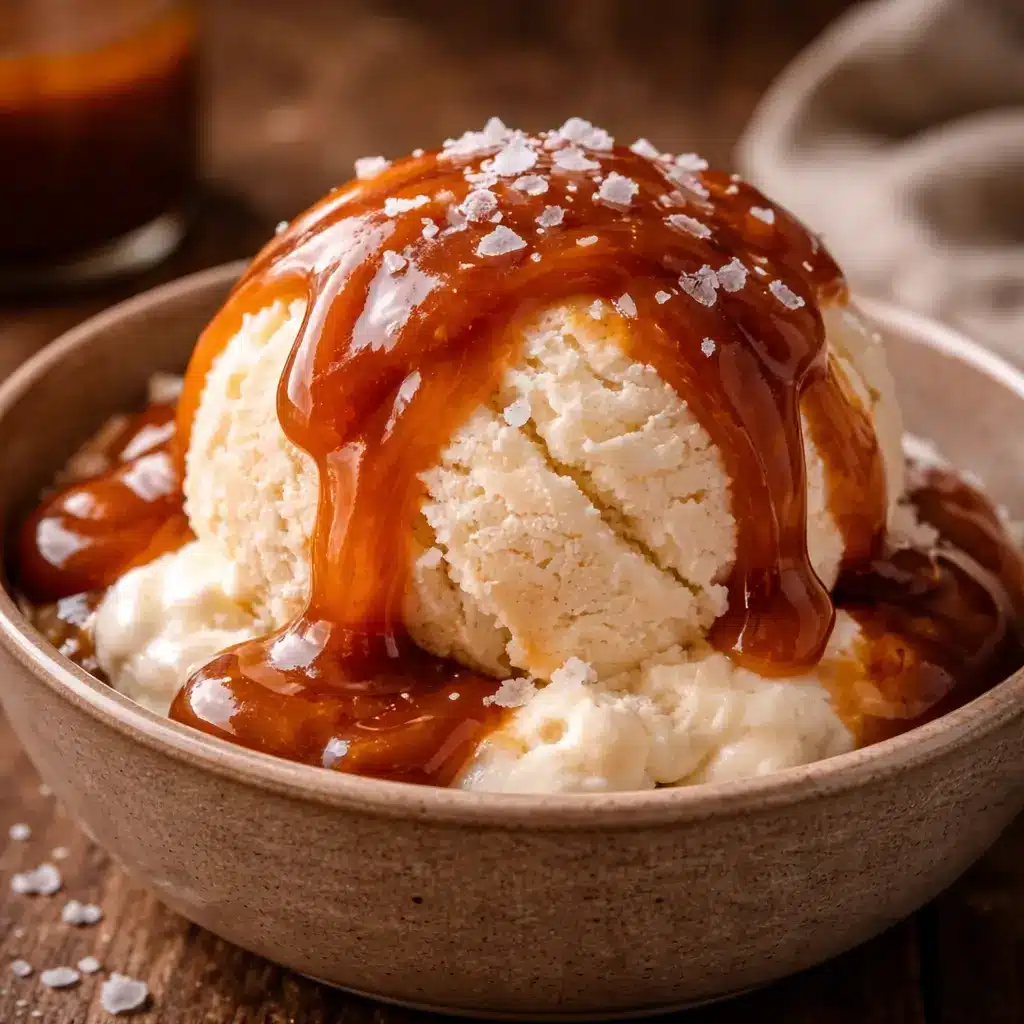
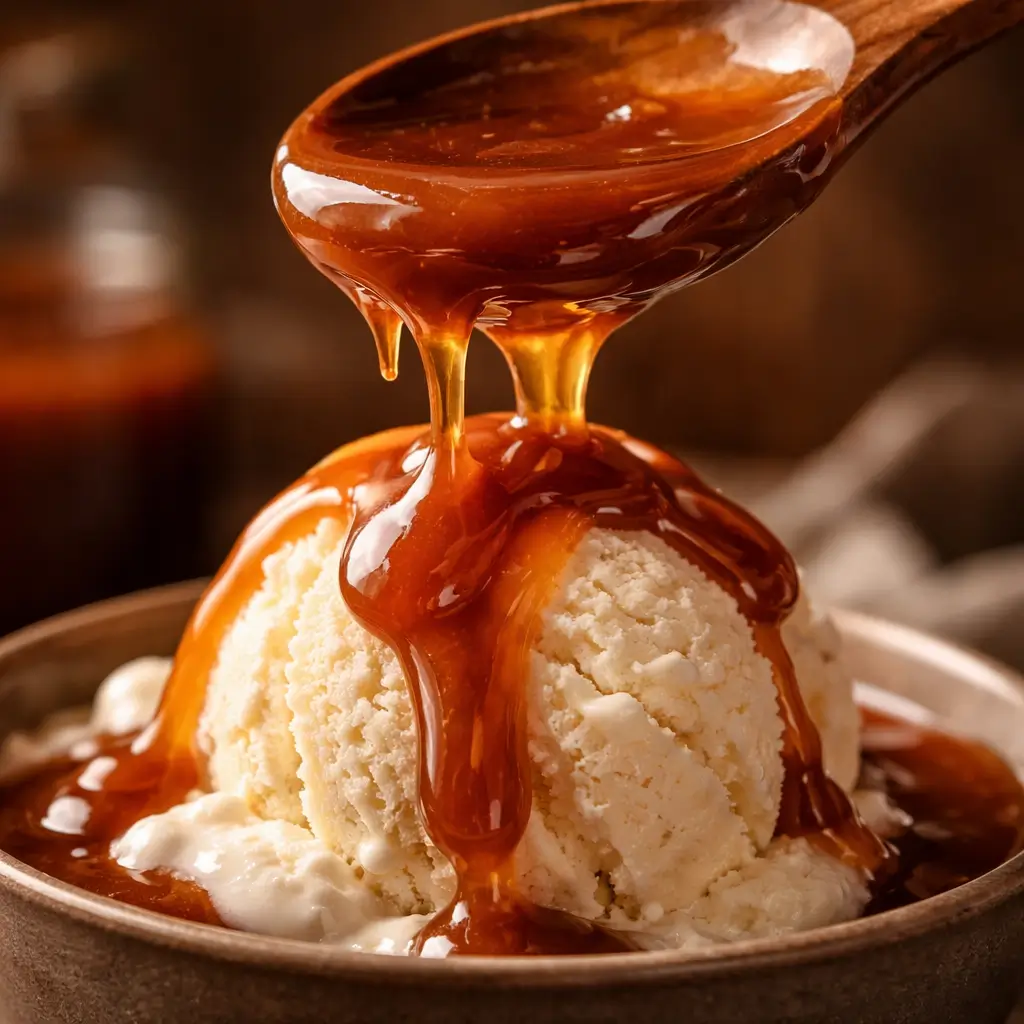
A properly prepared coconut sugar caramel sauce recipe results in a smooth, pourable sauce that thickens as it cools. It works beautifully as a topping for ice cream, pancakes, cheesecakes, coffee drinks, and baked goods.
Curious how to elevate a timeless dessert with rich butterscotch flavor? Click below to discover the upgraded classic that’s even better than you remember Apple Butterscotch Cake Recipe A Classic Dessert Made Better
Coconut Sugar Caramel vs Traditional Caramel
When deciding whether to try a coconut sugar caramel sauce recipe, many US home cooks want to understand how it compares to classic caramel made with white sugar. While both create a sweet, silky sauce, the ingredients, flavor, and cooking process are slightly different.
Traditional caramel begins by melting granulated white sugar until it liquefies and turns amber. The transformation is dramatic and requires careful attention because sugar can burn quickly. In contrast, a coconut sugar caramel sauce recipe starts with sugar that is already brown and naturally rich in flavor. Instead of watching for a color change, you focus on achieving the right thickness and smooth consistency.
Flavor is one of the biggest differences. Classic caramel has a straightforward sweetness with slight bitterness from caramelization. Coconut sugar caramel has deeper notes that resemble toffee or light molasses. Many people describe it as warmer and more complex.
Here is a simple comparison to make it clear:
| Feature | Coconut Sugar Caramel | Traditional Caramel |
|---|---|---|
| Main Sweetener | Coconut sugar | White sugar |
| Flavor Profile | Toasty, slightly molasses like | Sweet with mild bitterness |
| Color | Naturally dark brown | Changes from clear to amber |
| Cooking Difficulty | Moderate and forgiving | Can burn quickly |
| Nutritional Processing | Minimally processed | Highly refined |
Texture is also slightly different. A coconut sugar caramel sauce recipe may be a bit thicker and less glossy than traditional caramel, depending on the liquid used. However, when prepared properly, it remains smooth and pourable.
Ingredients for the Best Coconut Sugar Caramel Sauce Recipe
A successful coconut sugar caramel sauce recipe starts with simple, high quality ingredients. The beauty of this sauce is that it requires only a few pantry staples, yet delivers a rich and luxurious result. Choosing the right ingredients makes a noticeable difference in texture and flavor.
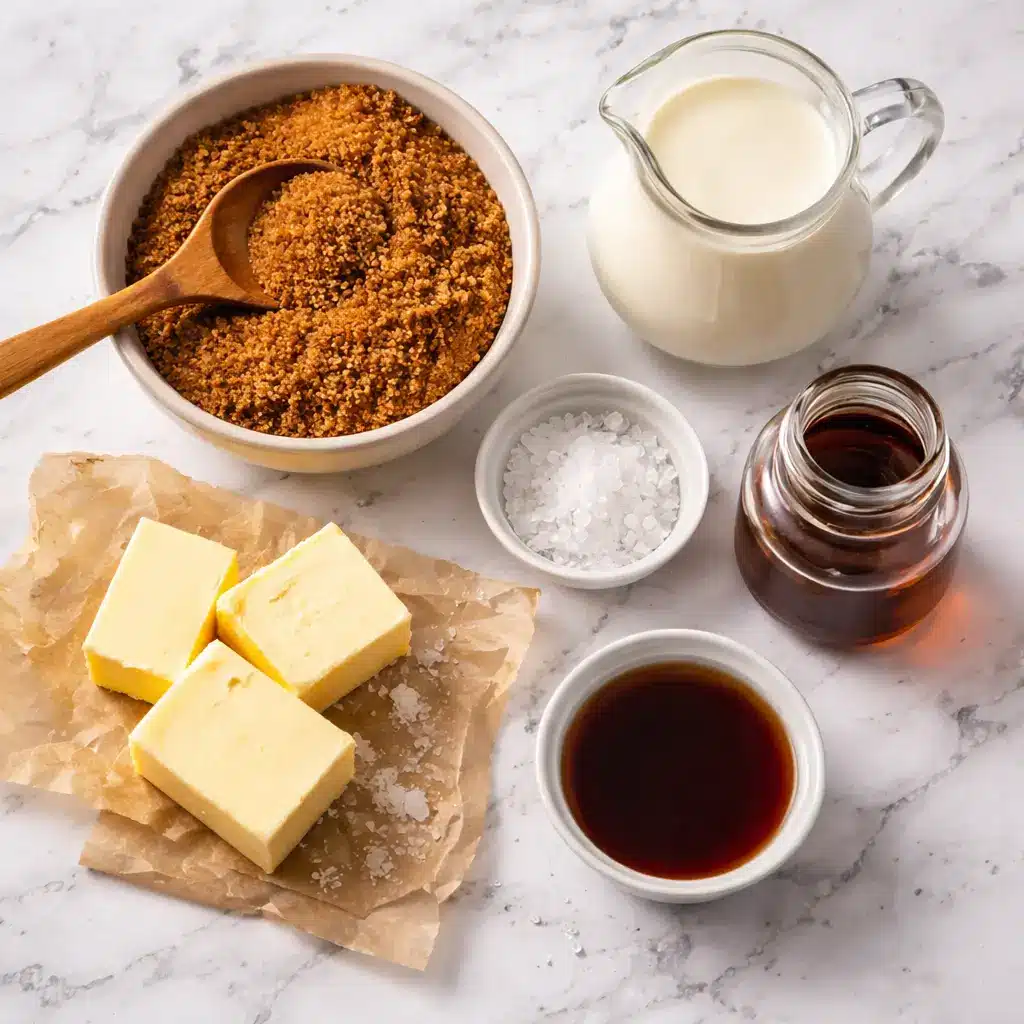
Here are the core ingredients you will need:
| Ingredient | Purpose | Notes |
|---|---|---|
| Coconut sugar | Main sweetener | Use organic, fine granules for smoother texture |
| Heavy cream or coconut milk | Creates creaminess | Coconut milk for dairy free option |
| Butter or vegan butter | Adds richness | Unsalted preferred |
| Vanilla extract | Enhances flavor | Pure vanilla gives best results |
| Sea salt | Balances sweetness | Optional but recommended |
Coconut sugar is the foundation of the coconut sugar caramel sauce recipe. Look for finely ground coconut sugar so it dissolves more easily during cooking. Coarser varieties may require slightly longer simmering time.
For creaminess, heavy cream creates a thick and silky finish that closely resembles traditional caramel sauce. If you prefer a dairy free or vegan coconut sugar caramel sauce recipe, full fat canned coconut milk works beautifully and adds a subtle tropical undertone.
Butter deepens the flavor and improves the smoothness of the sauce. If making a vegan version, choose a plant based butter alternative with a neutral flavor.
Vanilla extract enhances the caramel notes and rounds out the sweetness. A small pinch of sea salt transforms the sauce into a lightly salted caramel variation that many Americans love.
With just these ingredients, you can create a versatile sauce that works for desserts, coffee drinks, breakfast dishes, and baked goods.
Step by Step Coconut Sugar Caramel Sauce Recipe
Now that you have your ingredients ready, it is time to prepare your coconut sugar caramel sauce recipe. This method is beginner friendly and does not require a candy thermometer. The key is steady heat and consistent stirring.
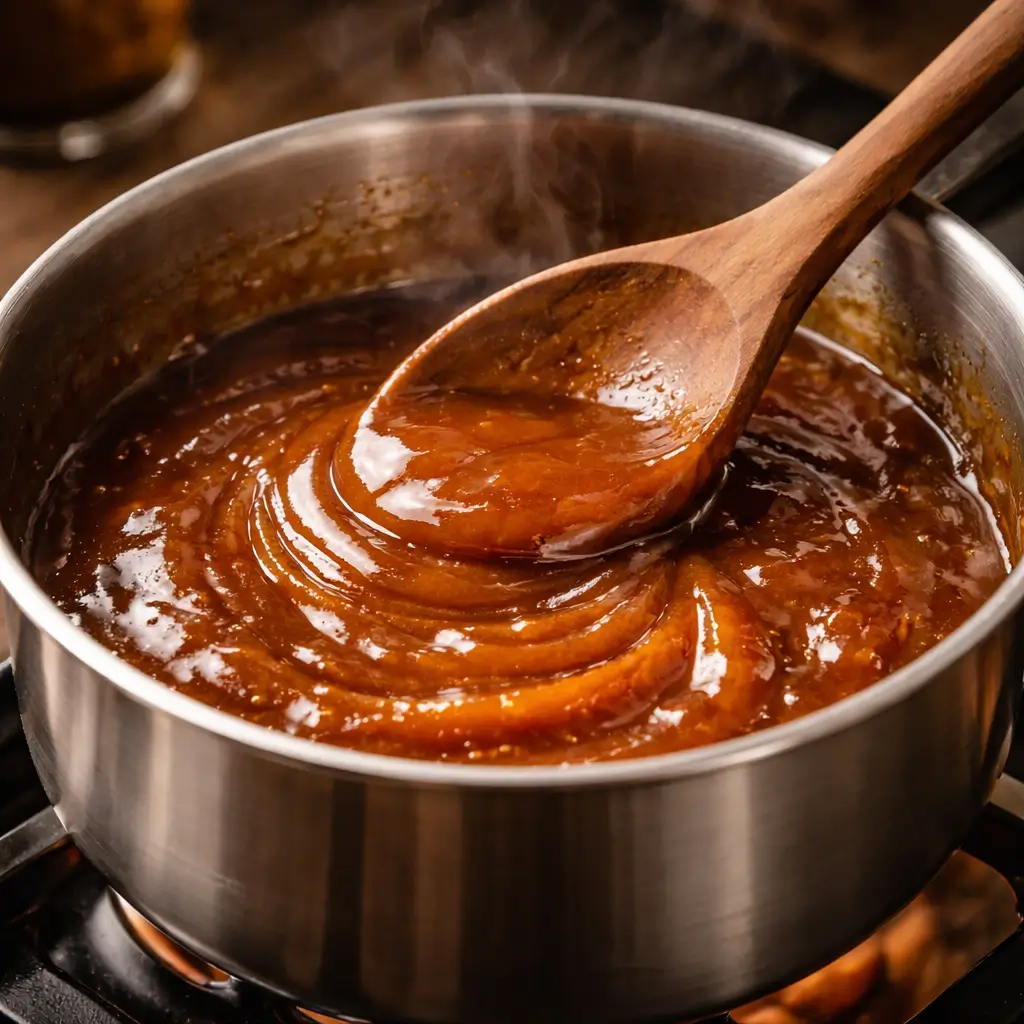
Step 1: Melt the Butter
Place a medium saucepan over medium heat. Add the butter and allow it to melt completely. If you are making a dairy free coconut sugar caramel sauce recipe, use vegan butter or start directly with coconut milk and warm it gently.
Step 2: Add Coconut Sugar
Stir in the coconut sugar and mix well with the melted butter. The mixture will look grainy at first. Continue stirring for about two to three minutes as it begins to soften and combine. Keep the heat at medium to prevent scorching.
Step 3: Pour in Cream or Coconut Milk
Slowly add the heavy cream or full fat coconut milk while stirring continuously. The mixture may bubble slightly, which is normal. Keep stirring until the sauce becomes smooth and fully blended.
Step 4: Simmer Until Thickened
Allow the sauce to simmer gently for five to eight minutes. Stir frequently to prevent sticking. You will notice the coconut sugar caramel sauce recipe thickening as moisture evaporates. The sauce should coat the back of a spoon but still remain pourable.
Step 5: Add Vanilla and Salt
Remove the saucepan from heat. Stir in vanilla extract and a pinch of sea salt. Taste and adjust salt if needed.
As the sauce cools, it will thicken further. If it becomes too thick, simply reheat gently and add a small splash of cream or coconut milk to loosen it.
Texture and Flavor Tips for Perfect Results
Even though a coconut sugar caramel sauce recipe is simpler than traditional caramel, small adjustments can make a big difference in the final texture and flavor. Understanding how heat, liquid ratios, and cooling time affect the sauce will help you get consistent results every time.
How to Get the Right Consistency
If your coconut sugar caramel sauce recipe turns out too thin, it likely needs more simmering time. Allow it to cook for a few extra minutes so excess moisture can evaporate. Stir frequently and watch for the sauce to coat the back of a spoon.
If the sauce becomes too thick after cooling, do not worry. Simply reheat it gently over low heat and add one tablespoon of cream or coconut milk at a time until you reach your desired consistency.
If the texture feels slightly grainy, it may be due to coconut sugar not dissolving fully. To prevent this, use finely ground coconut sugar and maintain steady medium heat while stirring continuously.
Enhancing Flavor Depth
A coconut sugar caramel sauce recipe naturally has a toasty, molasses like note. You can enhance that flavor by allowing the sugar and butter mixture to cook slightly longer before adding cream. This deepens the caramelized taste.
For a salted version, add a small pinch of flaky sea salt at the end. If you enjoy warm spice flavors, a dash of cinnamon can complement the caramel beautifully.
Here is a quick troubleshooting guide:
| Issue | Cause | Fix |
|---|---|---|
| Too thin | Not simmered long enough | Cook 2 to 3 minutes longer |
| Too thick | Over reduced or cooled | Reheat and add liquid |
| Grainy texture | Sugar not fully dissolved | Stir longer at steady heat |
| Too sweet | No salt added | Add a pinch of sea salt |
Mastering these simple adjustments ensures your coconut sugar caramel sauce recipe comes out smooth, rich, and perfectly balanced.
Variations of Coconut Sugar Caramel Sauce Recipe
One of the best things about a coconut sugar caramel sauce recipe is how flexible it is. You can easily adapt it to suit dietary preferences, flavor profiles, or specific desserts. Below are popular variations that US home cooks frequently search for and love to make.
Dairy Free Coconut Sugar Caramel Sauce Recipe
To make a dairy free version, replace heavy cream with full fat canned coconut milk. Swap regular butter for plant based butter or use only coconut milk for richness. This variation keeps the sauce smooth and creamy while making it suitable for lactose intolerance or dairy avoidance.
Vegan Coconut Sugar Caramel Sauce Recipe
A vegan coconut sugar caramel sauce recipe follows the same approach as the dairy free version. Use coconut milk and vegan butter, and ensure your vanilla extract is alcohol based without additives. The result is just as thick and flavorful as the traditional version.
Salted Coconut Sugar Caramel Sauce Recipe
For a salted version, add one quarter to one half teaspoon of sea salt at the end of cooking. This enhances the sweetness and creates a balanced sweet and savory profile that pairs beautifully with brownies and ice cream.
Thicker Caramel Dip Version
If you want a thicker dip for apples or pretzels, reduce the amount of cream slightly and simmer longer. The sauce will firm up more as it cools.
Here is a quick comparison:
| Variation | Key Substitution | Best For |
|---|---|---|
| Dairy Free | Coconut milk | Lactose free diets |
| Vegan | Coconut milk and vegan butter | Plant based diets |
| Salted | Add sea salt | Ice cream and brownies |
| Thick Dip | Less liquid, longer simmer | Fruit dipping |
Storage, Shelf Life, and Reheating Tips
After preparing your coconut sugar caramel sauce recipe, proper storage is essential to maintain its flavor, texture, and safety. Because this sauce contains cream or coconut milk, it must be handled carefully, especially in US kitchens where food safety standards matter.
How to Store Coconut Sugar Caramel Sauce
Allow the sauce to cool completely at room temperature. Once cooled, transfer it into an airtight glass jar or container with a tight fitting lid. Store it in the refrigerator.
A homemade coconut sugar caramel sauce recipe typically lasts:
| Storage Method | Shelf Life | Notes |
|---|---|---|
| Refrigerator | 10 to 14 days | Keep tightly sealed |
| Freezer | Up to 3 months | Store in freezer safe container |
If freezing, leave a little space at the top of the container since the sauce may expand slightly. Thaw overnight in the refrigerator before reheating.
How to Reheat Properly
Caramel thickens significantly when chilled. To restore its smooth consistency, warm it gently.
You can reheat your coconut sugar caramel sauce recipe in two ways:
- Microwave in short 15 second intervals, stirring between each interval.
- Warm slowly in a saucepan over low heat, stirring constantly.
If the sauce feels too thick after reheating, add one teaspoon of cream or coconut milk at a time until it reaches your desired consistency.
Signs It Has Gone Bad
Discard the sauce if you notice an unusual sour smell, mold growth, or separation that does not improve with stirring. Always use clean utensils when scooping to extend shelf life.
Conclusion: Why This Coconut Sugar Caramel Sauce Recipe Is Worth Making
If you have been searching for a rich, flavorful topping made with less processed ingredients, this coconut sugar caramel sauce recipe delivers exactly what you need. It combines the deep, natural sweetness of coconut sugar with creamy richness to create a smooth sauce that feels indulgent yet approachable for everyday home cooking.
One of the biggest advantages of this coconut sugar caramel sauce recipe is how simple it is to prepare. You do not need advanced baking skills or special equipment. With just a saucepan, a spoon, and a few quality ingredients, you can create a caramel sauce that rivals store bought versions. The process is forgiving, the flavor is complex, and the results are consistently satisfying.
This recipe is also highly adaptable. Whether you prefer a classic creamy version, a dairy free alternative made with coconut milk, or a lightly salted variation for extra depth, the coconut sugar caramel sauce recipe can be customized to suit your dietary needs and taste preferences. It works beautifully as a drizzle over ice cream, pancakes, brownies, cheesecake, oatmeal, or even stirred into coffee.
Proper storage ensures you can enjoy it for days, making it perfect for meal prep, holiday desserts, or weekend baking projects. Once you master the technique, you will likely find yourself making this coconut sugar caramel sauce recipe again and again.
In the end, this sauce is more than just a topping. It is a versatile, homemade upgrade that transforms simple desserts into memorable treats. Try it once, adjust it to your liking, and make it a staple in your kitchen.
Frequently Asked Questions About Coconut Sugar Caramel Sauce Recipe
1. Is coconut sugar healthier than white sugar in caramel sauce?
Coconut sugar is less processed than refined white sugar and retains small amounts of minerals like potassium and iron. However, it is still sugar and should be consumed in moderation. A coconut sugar caramel sauce recipe may feel like a more natural option, but it is not significantly lower in calories.
2. Does coconut sugar caramel taste like coconut?
No, a coconut sugar caramel sauce recipe does not taste strongly like coconut. Coconut sugar has a mild caramel and molasses flavor rather than a tropical coconut taste. If you use coconut milk, there may be a very subtle coconut undertone.
3. Why is my coconut sugar caramel sauce grainy?
Graininess usually happens when the coconut sugar does not fully dissolve. To fix this, cook the mixture a little longer over steady medium heat and stir continuously. Using finely ground coconut sugar also helps create a smoother texture.
4. Can I make coconut sugar caramel sauce without butter?
Yes, you can make a dairy free coconut sugar caramel sauce recipe using full fat coconut milk instead of butter and cream. The texture will still be creamy and rich, especially if you allow it to simmer properly.
5. How long does homemade coconut sugar caramel sauce last?
When stored in an airtight container in the refrigerator, a coconut sugar caramel sauce recipe can last up to two weeks. Always check for changes in smell or appearance before using.
6. Can I freeze coconut sugar caramel sauce?
Yes, this sauce freezes well for up to three months. Store it in a freezer safe container and thaw it overnight in the refrigerator before reheating gently.
7. Why is my caramel sauce too thin?
If your coconut sugar caramel sauce recipe is too thin, it likely needs more simmering time. Continue cooking for a few additional minutes to reduce excess liquid until it thickens.
8. Why did my caramel sauce turn out too thick?
Caramel thickens as it cools. If your coconut sugar caramel sauce recipe becomes too thick, gently reheat it and stir in small amounts of cream or coconut milk until it loosens.
9. Can I use this caramel sauce for coffee drinks?
Yes, a coconut sugar caramel sauce recipe works beautifully in coffee, lattes, and iced drinks. It adds a rich sweetness without the sharp taste of refined sugar caramel.
10. Is this recipe suitable for a vegan diet?
It can be fully vegan if you use coconut milk and plant based butter. Always check ingredient labels to ensure they meet your dietary preferences.
11. Can I make this caramel sauce without cream?
Yes, you can replace heavy cream with coconut milk or another high fat non dairy alternative. The key to a smooth coconut sugar caramel sauce recipe is enough fat to balance the sugar.
12. What desserts pair best with coconut sugar caramel sauce?
This sauce pairs well with vanilla ice cream, brownies, cheesecake, pancakes, waffles, apple slices, and baked pears. It also works as a topping for oatmeal or yogurt.
13. Why is my caramel sauce separating?
Separation can occur if the heat is too high or if the liquid was added too quickly. Stir continuously and maintain moderate heat when preparing your coconut sugar caramel sauce recipe.
14. Can I reduce the sweetness of the sauce?
You can balance sweetness by adding a pinch of sea salt or slightly increasing the fat content. Salted versions of coconut sugar caramel sauce recipe are especially popular for this reason.
15. Do I need a candy thermometer for this recipe?
No, a coconut sugar caramel sauce recipe does not require a candy thermometer. Since you are not relying on precise sugar stages, visual cues and texture are enough to guide you.
Follow us on Pinterest
coconut sugar caramel sauce recipe (easy & rich)
Ingredients
Method
- Place a medium saucepan over medium heat and add the butter. Allow it to melt completely.
- Stir in the coconut sugar and mix well. Cook for 2 to 3 minutes, stirring continuously until the sugar begins to soften and combine with the butter.
- Slowly pour in the heavy cream or coconut milk while stirring constantly. The mixture may bubble slightly. Continue stirring until smooth.
- Reduce heat slightly and let the sauce simmer for 5 to 8 minutes, stirring frequently, until it thickens and coats the back of a spoon.
- Remove from heat and stir in the vanilla extract and sea salt if using.
- Allow the sauce to cool for about 10 minutes. It will thicken more as it cools. Serve warm or store for later use.