
Salt and vinegar almonds are one of the most addictive savory snacks in the US, and if you’re searching for the perfect mix of tangy, salty, and crunchy, this guide is exactly what you need. Most people looking for this flavor want to know what makes these almonds so popular, how they taste, whether they’re healthy, and most importantly how to make them at home. This article delivers clear, direct answers so you can enjoy the bold flavor you’re craving.
Salt and vinegar almonds continue to trend because they combine intense flavor with real nutritional value. Almonds already offer protein, fiber, and healthy fats; when coated in a zesty vinegar salt seasoning, they become a snack that satisfies cravings without the heaviness of chips or processed foods. Whether you want a homemade version, a healthier snack alternative, or a simple recipe for meal prep, you’ll find everything you need right here.

What Are Salt and Vinegar Almonds?
Salt and vinegar almonds are roasted or baked almonds coated in a tangy vinegar solution and seasoned with salt to create a bold, savory flavor similar to the classic salt and vinegar potato chip only healthier and higher in protein. This snack takes the naturally rich, buttery taste of almonds and elevates it with a punch of acidity and balanced saltiness, making it one of the most crave worthy nut mixes in the US snacking market.
At their core, salt and vinegar almonds are defined by three simple elements: premium almonds, a vinegar infusion, and a salt based seasoning blend. The vinegar provides the sharp, tangy bite people love, while the salt enhances flavor and balances the acidity. The result is a crunchy, flavorful almond that works as a standalone snack, a lunchbox addition, a topping for salads, or even a satisfying alternative to chips.
Below is a simple comparison to help you understand what makes them unique compared to other flavored almonds:
Comparison Table: Salt and Vinegar Almonds vs. Other Almond Flavors
| Feature | Salt & Vinegar Almonds | Roasted Salted Almonds | Smokehouse Almonds |
|---|---|---|---|
| Flavor Profile | Tangy, bold, salty | Mild, salty | Smoky, savory |
| Acidity Level | High | Low | Low |
| Snack Intensity | Very strong | Moderate | Strong |
| Typical Use | Snacking, salads, meal prep | Daily snacking | Snacking, party mixes |
| Health Perception | Light, flavorful, clean | Standard healthy snack | Heavier seasoning |
Whether store bought or homemade, this flavor stands out for its intensity and versatility perfect for people who want a snack that hits hard without being overly processed.
Why Salt and Vinegar Almonds Are So Popular
Salt and vinegar almonds have exploded in popularity across the US because they offer a powerful flavor punch while staying firmly in the “better for you” snack category. Consumers today want snacks that feel exciting, bold, and satisfying but without excessive sugar, artificial additives, or empty calories. This tangy almond snack checks every box, blending intense flavor with natural nutritional value.
Another key reason salt and vinegar almonds are trending is their versatility. They fit nearly every lifestyle high protein diets, low carb eating plans, meal prep routines, and even on the go snacking for busy Americans. Their sharp vinegar bite satisfies cravings instantly, especially for people who love bold snacks like salt and vinegar chips but want something more nutritious. Almonds provide healthy fats and long lasting energy, making them ideal for workdays, gym bags, or midday cravings.
From a flavor standpoint, salt and vinegar almonds deliver a unique experience you don’t get from standard nut flavors. The combination of crunchy texture, tangy acidity, and savory seasoning creates a sensory contrast that keeps people coming back. Many US snack brands now include this flavor in their product lines because demand continues to grow rapidly, especially among health minded consumers.
This popularity is also driven by how easy it is to make them at home. With just a few basic ingredients almonds, vinegar, and salt you can create a fresh batch that tastes gourmet and stores well for days. Whether homemade or store bought, the appeal is clear: strong flavor, clean ingredients, and a satisfying crunch that never gets boring.
Flavor Profile of Salt and Vinegar Almonds
Salt and vinegar almonds stand out because they deliver a bold, tangy flavor that instantly wakes up your taste buds. If you love the sharp bite of salt and vinegar chips, this snack gives you that same punch only with more crunch and far better nutrition. The flavor begins with a bright vinegar tang, followed by a savory salt finish that enhances the natural richness of roasted almonds. This layered taste experience is what keeps snack lovers across the US reaching for more.
The real magic of salt and vinegar almonds comes from how the acidity interacts with the almond’s natural oils. As the vinegar soaks into the nuts before roasting, it creates a slightly softened surface that crisps up beautifully in the oven. The final result is a perfectly roasted almond with a deep, satisfying crunch wrapped in an addictive tangy salty coating. This powerful contrast between acidic and nutty flavors is what makes the snack so memorable and so binge worthy.
Flavor intensity can easily be adjusted, which is why salt and vinegar almonds appeal to such a wide range of snackers. You can make them mild and balanced or dial up the vinegar to create a sharp, lip tingling bite. They pair especially well with cold drinks, charcuterie boards, trail mixes, or simple afternoon cravings. Unlike many flavored snacks, they don’t rely on artificial powders or heavy oil coatings, making them feel lighter while still delivering big flavor.
Health Benefits of Salt and Vinegar Almonds
Salt and vinegar almonds aren’t just flavorful they’re a nutritious snack that fits perfectly into a health conscious US lifestyle. Almonds are naturally packed with healthy fats, plant based protein, fiber, antioxidants, magnesium, and vitamin E. When seasoned with a simple salt and vinegar blend, they deliver big flavor without the added sugars or artificial ingredients commonly found in processed snacks.
One of the biggest advantages of salt and vinegar almonds is their ability to keep you full for longer. The combination of healthy fats and protein supports steady energy levels, making them ideal for office snacking, post workout fuel, or controlling cravings throughout the day. Unlike chips or crackers, almonds provide sustained satiety, helping balance appetite and prevent overeating.
For US consumers focused on heart health, salt and vinegar almonds offer even more benefits. Almonds are widely recognized for supporting healthy cholesterol levels, reducing oxidative stress, and promoting better cardiovascular health when part of a balanced diet. Their nutrient density makes them a smart swap for ultra processed salty snacks that offer little nutritional value.
Here’s a quick breakdown of the key health benefits:
Nutritional Highlights Table
| Benefit | How Salt & Vinegar Almonds Help |
|---|---|
| Heart Health | Rich in monounsaturated fats & vitamin E |
| Weight Management | High satiety from protein + healthy fats |
| Blood Sugar Support | Low glycemic impact |
| Antioxidants | Vitamin E protects cells from damage |
| Energy Boost | Steady energy release throughout the day |
Even with their bold flavor, salt and vinegar almonds remain a clean, wholesome choice especially when homemade, where you can control salt levels and avoid additives. They’re the perfect balance of indulgent flavor and everyday nutrition.
Ingredients Needed for Salt and Vinegar Almonds
Salt and vinegar almonds are surprisingly simple to make at home, and the best part is that you only need a handful of everyday ingredients. This makes them an accessible, affordable snack option for anyone in the US who wants bold flavor without unnecessary additives. Whether you prefer a strong vinegar bite or a more balanced tang, adjusting the ingredients allows you to create the perfect batch every time.
To get the signature sharp, salty flavor, salt and vinegar almonds rely on a combination of high quality almonds, a vinegar base, and the right blend of seasoning to ensure each almond is fully coated. White vinegar is the most commonly used because it brings a clean, bright tanginess, but apple cider vinegar or malt vinegar can add a deeper flavor for those who want more complexity. The salt enhances the acidity, helping it cling to the almonds while balancing the overall taste.
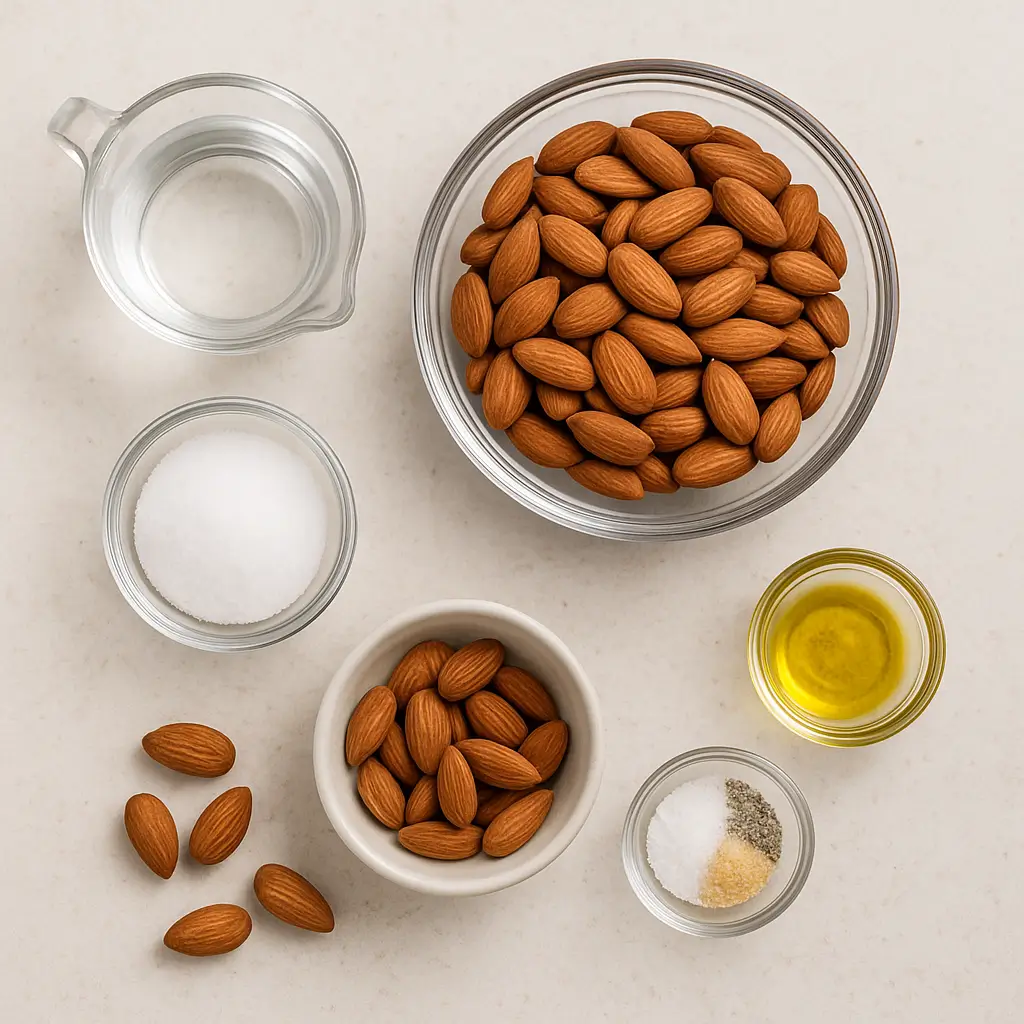
Below is a clear ingredient list to help you prepare a homemade version of salt and vinegar almonds:
Essential Ingredients Table
| Ingredient | Purpose | Recommended Amount |
|---|---|---|
| Raw Almonds | Base of the recipe | 2 cups |
| White Vinegar | Provides tangy flavor | ½ cup |
| Salt | Enhances flavor & balance | 1–1½ tsp |
| Water | Helps dilute vinegar (optional) | 2–3 tbsp |
| Olive Oil (optional) | Adds slight richness | 1 tsp |
| Garlic Powder or Onion Powder (optional) | Adds savory depth | ¼ tsp |
Each ingredient plays a role in creating a well balanced snack that’s crunchy, flavorful, and highly addictive in the best way. With simple adjustments, you can make your batch lighter, tangier, or more savory depending on your flavor preference.
How to Make Salt and Vinegar Almonds (Step by Step)
Salt and vinegar almonds are incredibly easy to prepare at home, and making them yourself ensures fresher flavor, cleaner ingredients, and customizable tanginess. This step by step method is designed for US home kitchens and gives you that bold, crunchy, tangy finish snack lovers crave. Whether you prefer a sharp vinegar punch or a milder flavor, this process helps you control every detail.
To get the signature taste, salt and vinegar almonds need time to absorb the vinegar before roasting. This soaking step is what develops the deep tanginess that sets this snack apart from other flavored nuts. Once soaked, the almonds are roasted until crisp, allowing the vinegar to evaporate while leaving behind concentrated flavor. The result is a perfectly crunchy almond with a savory, zesty coating that hits your taste buds instantly.
Follow the simple steps below to make a flawless batch of salt and vinegar almonds at home:
Step by Step Preparation
- Heat the vinegar
Pour ½ cup of white vinegar into a small pot and bring it to a light simmer. - Add the almonds
Place 2 cups of raw almonds into the warm vinegar and simmer for 1–2 minutes to help them absorb flavor. - Soak and rest
Turn off the heat and let the almonds soak in the vinegar for 20–30 minutes. - Drain and season
Drain the almonds, then toss them with 1–1½ teaspoons of salt and optional seasonings. - Roast for crispiness
Spread the almonds on a baking sheet and roast at 325°F (163°C) for 15–20 minutes, stirring halfway through. - Cool and store
Let them cool completely before storing in an airtight jar to maintain maximum crunch.
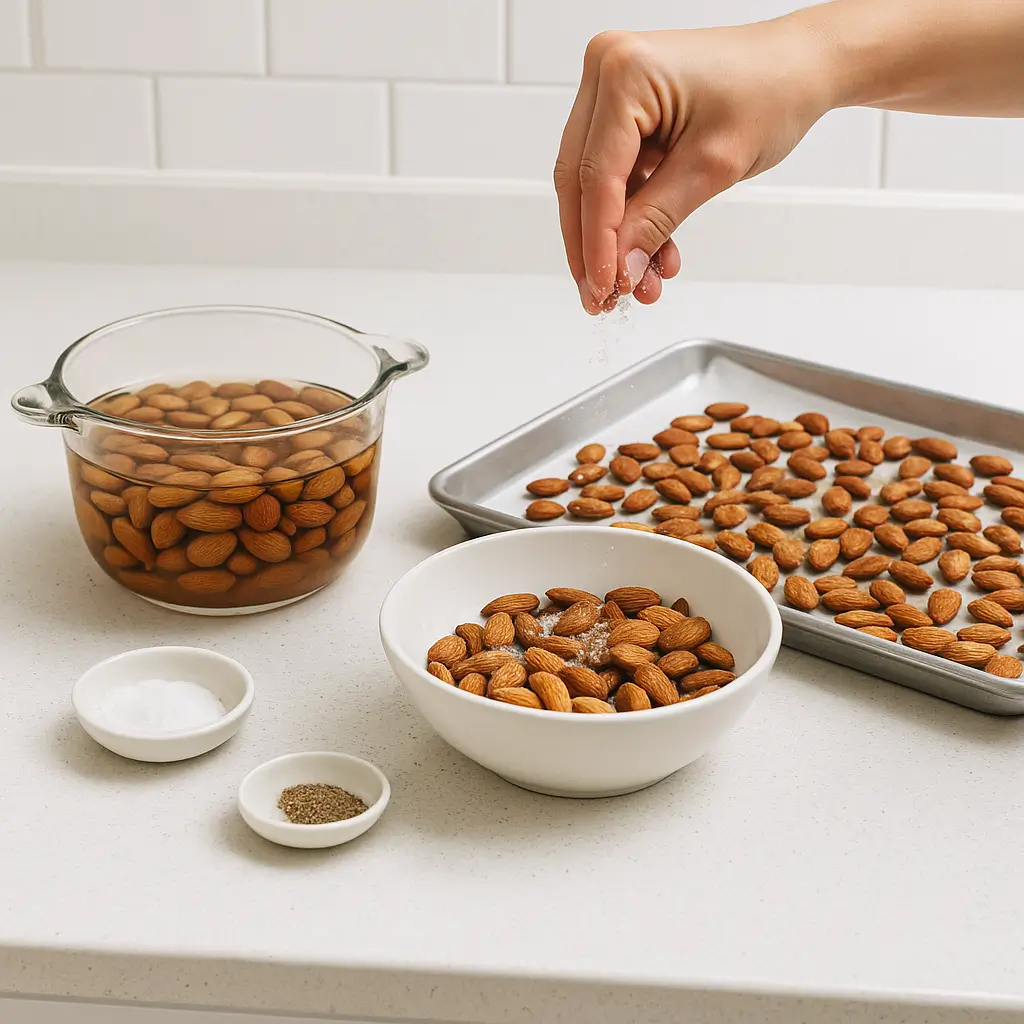
This simple method guarantees a bold, balanced flavor perfect for snacking, meal prep, or adding to salads and trail mixes.
Tips for Roasting, Serving & Storing Salt and Vinegar Almonds
Salt and vinegar almonds are incredibly simple to customize, and with the right roasting, serving, and storage techniques, you can elevate their flavor and texture to a professional, gourmet level. Many US snack lovers make these almonds at home because they want a strong tangy punch, a crisp bite, and a long lasting freshness that rivals store bought brands. With a few expert techniques, you can perfect every batch and keep the flavor bold from the first handful to the last.
When roasting salt and vinegar almonds, temperature control is everything. Almonds burn easily, so staying within the recommended range of 300–325°F is crucial. Lower temperatures help the almonds dry evenly without scorching the vinegar infused coating. If you prefer a deeper crunch, simply extend the roasting time in 2–3 minute increments while stirring frequently. For extra tang, many home cooks brush their almonds with a tiny splash of vinegar halfway through roasting, which intensifies the flavor without making them soggy.
Serving salt and vinegar almonds is just as fun as making them. They’re the perfect addition to charcuterie boards, picnic baskets, office snack drawers, and gym bags. Their bold flavor pairs well with cheese, fruit, and sparkling drinks. You can even toss them into salads, grain bowls, and trail mixes for a bright, crunchy twist. For party platters, try mixing them with lightly sweet snacks like dried cranberries or honey roasted nuts the contrast creates an irresistible sweet and sour experience.
To keep salt and vinegar almonds fresh, proper storage is essential. Because the vinegar coating can attract moisture if not dried completely, always cool the almonds before transferring them to airtight containers. Glass jars work best for maintaining crispness. In the US climate especially in humid regions consider adding a small food safe desiccant packet to preserve crunch. Stored correctly, they can stay fresh for up to 3 weeks. For long term storage, freeze them in airtight bags for up to 3 months; thawing brings them right back to full crunch without losing flavor.
If you’re building recipe collections or snack guides on your site, you can link to related pages like mifod.com to strengthen internal SEO and help users explore more food content. With these expert techniques, your salt and vinegar almonds will stay tangy, crunchy, and crave worthy every single time.
Conclusion
Salt and vinegar almonds deliver everything today’s US snack lovers want bold flavor, great crunch, and real nutritional value. Whether you enjoy the sharp tang of vinegar, the savory balance of salt, or the satisfying texture of roasted almonds, this snack brings it all together in a way that feels both indulgent and wholesome. With just a few simple ingredients and easy steps, you can make your own batch at home, customize the tanginess, and enjoy a high protein snack that fits busy lifestyles, healthy eating plans, and everyday cravings.
Beyond their addictively zesty flavor, salt and vinegar almonds offer practical benefits: longer lasting energy, better snacking choices, and flexibility across recipes, lunchboxes, and meal prep routines. Their rising popularity across the US is no surprise people want snacks that taste bold without being heavily processed. Whether homemade or store bought, these almonds hit that perfect balance of flavor and function.
If you’re looking for a snack that’s crunchy, tangy, easy to make, and good for you, salt and vinegar almonds should be at the top of your list. Try experimenting with different vinegars, seasonings, and roasting methods, and you’ll quickly find your personal favorite version of this irresistible snack.
FAQs
1. What exactly are salt and vinegar almonds?
Salt and vinegar almonds are almonds that have been soaked in or coated with a vinegar solution, then roasted or baked, and finally seasoned with salt (and sometimes additional spices) to achieve a tangy, salty, and crunchy snack.
This flavor mimics the classic salt and vinegar potato chip experience but uses almonds as the base instead of potatoes. Because almonds carry their own natural sweetness and nuttiness, the vinegar builds on that base and adds a vibrant tartness, while the salt rounds out the flavor and enhances crisp texture.
2. Are salt and vinegar almonds healthy?
Yes when made with minimal added oils or preservatives, salt and vinegar almonds can be a healthier snack alternative. Almonds themselves provide plant based protein, fiber, healthy fats (especially monounsaturated fats), vitamin E, magnesium, and antioxidants.
The vinegar adds flavor without adding sugar or excessive calories, and modest salt levels mean you’re still choosing a snack with real nutritional value. That said, portion control still matters: even the healthiest flavored nut contains calories, so enjoy them in moderation as part of a balanced diet.
3. How much salt and vinegar almonds should I eat in one sitting?
A reasonable snack portion for salt and vinegar almonds is about 1 ounce (roughly a small handful, or 23 almonds) for most people. This serving provides around 160–170 calories and delivers protein and healthy fats. Because of the bold flavor,
it’s easy to overeat, so measuring the first few times helps establish a comfortable habit. Pairing them with a glass of water or a piece of fresh fruit also helps maintain balance instead of mindlessly snacking.
4. Can I adjust the tanginess of salt and vinegar almonds?
Absolutely. One of the advantages of making your own salt and vinegar almonds is that you can tailor the tanginess to your taste. For a light vinegar flavor, reduce the vinegar soak time or use a milder vinegar like apple cider.
For a stronger tang, increase the vinegar exposure or finish with a light mist of vinegar before roasting. You can also vary the salt level or add spices like garlic powder, onion powder, or smoked paprika to create a unique twist. This customization means your snack can match your personal flavor preferences perfectly.
5. Are store bought salt and vinegar almonds the same as homemade?
Store bought versions are similar in concept but often include additional oils, preservatives, flavor enhancers, or coatings to extend shelf life and maintain crunch. While they’re convenient, they may have higher sodium, added sugars, or less wholesome ingredients.
Homemade salt and vinegar almonds allow you to control each component choose raw or dry roasted almonds, select the type and amount of vinegar, limit the salt, and avoid unnecessary additives. For many health conscious US consumers, the homemade route offers better transparency and flavor control.
6. How do I store salt and vinegar almonds so they stay crunchy?
To maintain the crunch and flavor of salt and vinegar almonds, allow them to cool completely after roasting and then store them in an airtight container at room temperature. For best results, use a glass jar with a tight lid and keep it in a cool, dry place away from direct sunlight.
In humid climates, you might consider adding a small food safe desiccant packet (silica gel) to the container to absorb moisture. Properly stored, the almonds can stay crisp for up to 3 weeks; if you want to store longer, freezing them in a sealed airtight bag can extend shelf life to about 3 months without sacrificing texture.
7. Can I use different types of vinegar for salt and vinegar almonds?
Yes using different vinegars can add subtle flavor variations to your salt and vinegar almonds. White distilled vinegar gives a clean, sharp tang and classic flavor. Apple cider vinegar adds a bit of sweetness and depth, while malt vinegar introduces a richer, malt like background note often found in traditional salt and vinegar chip flavors.
Whatever vinegar you choose, make sure it’s food grade and that you account for flavor intensity by adjusting soak time or vinegar quantity accordingly. This flexibility allows you to experiment and find your ideal tangy profile.
8. Are salt and vinegar almonds gluten free?
In most cases, yes almonds are naturally gluten free, and vinegar and salt (when pure) also do not contain gluten. However, if you purchase a flavored or commercially packaged version of salt and vinegar almonds, you should always check the label for potential cross contamination or added ingredients (like malt flavorings, wheat starch, etc.).
If making them at home, using gluten free vinegar and pure salt ensures the snack remains safe for individuals with celiac disease or gluten sensitivity.
9. Can I make salt and vinegar almonds for dietary restrictions (low sodium, keto, vegan)?
Certainly salt and vinegar almonds are quite adaptable for multiple dietary preferences. For a low sodium version, reduce the salt by half and use low sodium or no salt almonds as a base. For keto friendly snacking in the US, almonds are already a common low carb nut,
and the vinegar salt coating adds negligible carbs, making them an excellent fit. They’re naturally vegan (assuming no animal derived additives). Just be mindful of added ingredients in store bought versions and aim to DIY to fully control your diet.
10. Why do my homemade salt and vinegar almonds sometimes lose their crunch?
Losing crunch is one of the main issues home snack makers face with salt and vinegar almonds. The most common causes are moisture (either during or after roasting) or storing in a warm/humid environment. To fix this, make sure the almonds are fully dried after the vinegar soak and that they’re roasted at the right temperature until crisp (325°F for about 15–20 minutes is effective).
Once cooled, store in airtight jars in a cool, dry place. Avoid opening the container frequently or leaving it near humidity sources (like near the stove or sink). Proper storage will maintain the bold flavor and crunch that make salt and vinegar almonds so popular.
Follow us on Pinterest
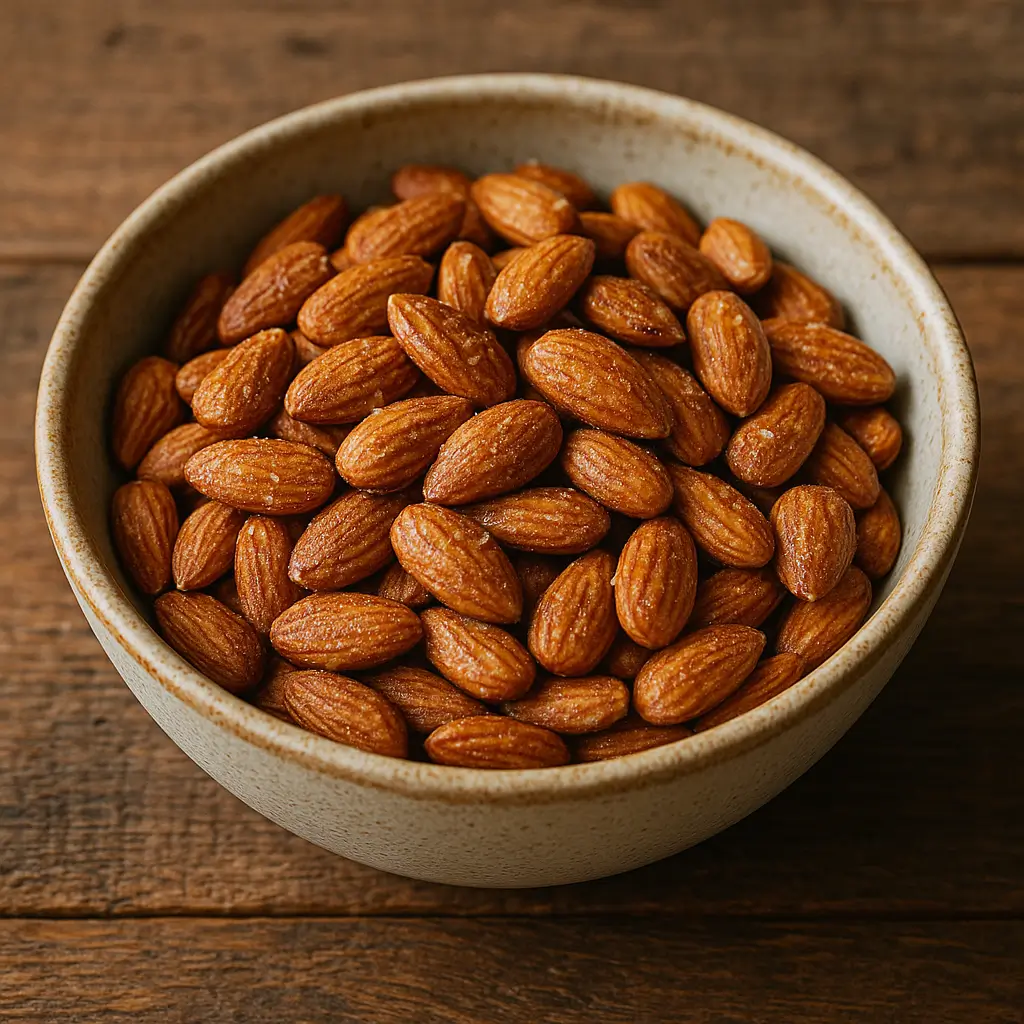
salt and vinegar almonds the ultimate homemade snack recipe
Ingredients
Method
- Add the white vinegar to a small pot and bring it to a gentle simmer.
- Pour in the almonds and simmer for 1–2 minutes to help them absorb the vinegar.
- Turn off the heat and let the almonds soak for 20–30 minutes for maximum tanginess.
- Drain the almonds, then toss with salt and optional garlic/onion powder. Add olive oil if you want a richer finish.
- Spread almonds evenly on a baking sheet and roast at 325°F (163°C) for 15–20 minutes, stirring halfway through.
- Allow almonds to cool fully to become crispy. Do not store while warm.
- Keep in an airtight jar at room temperature for up to 3 weeks.
- Want more tang? Brush with a splash of vinegar halfway through roasting.
- Prefer mild flavor? Reduce soak time to 10–15 minutes.
- For long-term storage, freeze in airtight bags for up to 3 months.
Notes
- For a stronger vinegar flavor, extend the soaking time or add a light mist of vinegar halfway through roasting.
- If you prefer a milder tang, dilute the vinegar with 1–2 tablespoons of water.
- Make sure the almonds are fully cooled before storing warm almonds trap steam and lose their crunch.
- Store in an airtight glass jar for best crispness; avoid plastic containers in humid climates.
- To reduce sodium, cut the salt in half or use a low-sodium seasoning blend.
- Flavor variations: add smoked paprika, chili powder, garlic powder, or nutritional yeast for unique twists.
- Freeze roasted almonds in a sealed bag for up to 3 months; thaw at room temperature for a few minutes before eating.