
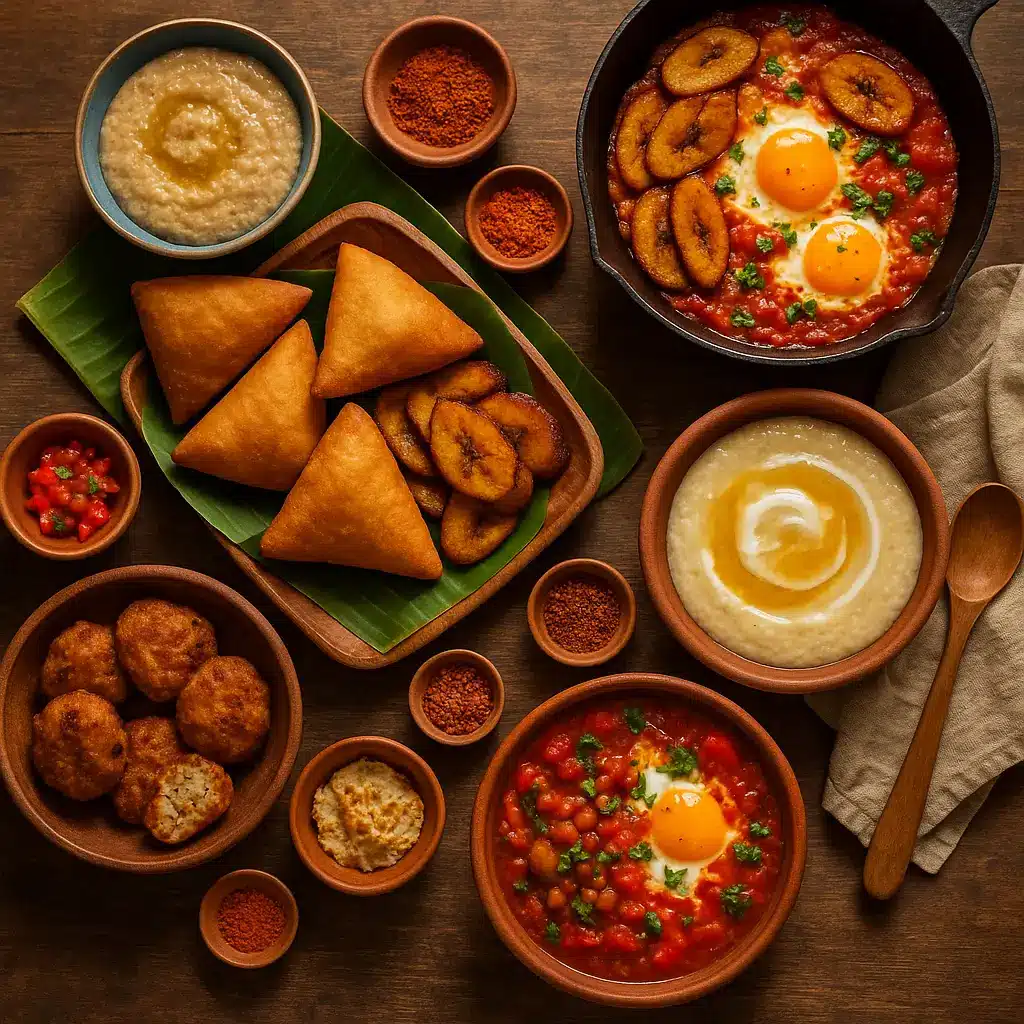
African breakfast foods are becoming a top search interest in the US as more people look for flavorful, authentic, and culturally rich morning meals from across the African continent. When someone searches for African breakfast foods, they want to know what traditional dishes look like, what ingredients they use, and how they’re prepared and this guide gives you exactly that. From hearty porridges to savory fritters and fresh breads, African breakfasts deliver warmth, comfort, and bold flavors that instantly capture your curiosity.
African breakfast foods vary from region to region, yet they all share one thing: deep cultural roots passed down through generations. Whether it’s the soft mandazi of East Africa, the protein packed akara from West Africa, or the aromatic shakshuka enjoyed in North Africa, these dishes reflect longstanding traditions shaped by local ingredients like maize, millet, cassava, yams, plantains, and beans. Their flavors are wholesome, affordable, and increasingly popular among US readers who want to explore global cuisine.
Throughout this article, you’ll discover the core components of traditional African breakfasts, comparisons between regional dishes, and simple serving ideas you can try at home. You’ll also find helpful internal links from mifod.com to enhance your search experience and support broader learning about cultural foods.
By the end of this guide, you’ll not only understand what defines African breakfast foods you’ll also feel inspired to bring their rich aromas and satisfying flavors into your own kitchen.
Want to mix the ultimate party shot that everyone will remember? Click below to learn how to make this bold and flavorful favorite: Wu Tang Shot Recipe with Crown Royal How to Make the Ultimate Party Drink
What Are Traditional African Breakfast Foods?
African breakfast foods represent a collection of traditional morning meals enjoyed across the continent, each shaped by local crops, cultural practices, and regional flavors. When US readers search for what African breakfast foods are, they’re typically looking for a clear explanation of the dishes, their origins, and why they’re so popular. At their core, these breakfasts are hearty, wholesome, and designed to provide energy for the day’s work often featuring simple, accessible ingredients that come together in flavorful ways.
Across Africa, breakfast traditions vary widely, but most dishes fall into a few recognizable categories: porridges made from grains like maize, sorghum, or millet; fried snacks such as puffed breads or bean fritters; savory stews paired with bread or flatbreads; and plantain based meals. These foods are comforting and filling, with flavors that range from mildly sweet to deeply spiced. Because these ingredients are staple crops in many regions, breakfast often reflects both practicality and cultural heritage.
Below is a simple comparison table highlighting key types of African breakfast foods and what makes each category unique:
Table: Common Types of African Breakfast Foods
| Category | Description | Examples |
|---|---|---|
| Grain Based Porridges | Warm, hearty, often slightly sweet | Ugali porridge, Pap, Millet porridge |
| Fried Snacks & Breads | Light, fluffy, sometimes spiced or sweet | Mandazi, Puff Puff, Vetkoek |
| Bean & Protein Based | High protein, savory, often fried | Akara, Ful medames |
| Stews & Sauces | Rich, aromatic, served with flatbread | Shakshuka, Tomato stew |
| Plantain & Root Based | Sweet or savory, fried or boiled | Fried plantains, Yam and egg |
Many African breakfasts are naturally nutritious, offering fiber, plant based protein, and slow burning carbohydrates. This makes them ideal for anyone looking to add satisfying, culturally rich meals to their morning routine. Later sections will break down the most popular dishes by region, including simple serving ideas perfect for home cooks in the US.
Popular African Breakfast Foods by Region
African breakfast foods vary beautifully across regions, with each area offering signature dishes shaped by history, climate, and locally grown ingredients. When US readers explore regional African breakfasts, they’re often searching for specific examples the names of dishes, how they taste, and what makes them culturally important. This section breaks down the most beloved breakfast foods from West, East, North, Central, and Southern Africa so you can experience the continent’s culinary diversity at a glance.
West African Breakfast Favorites
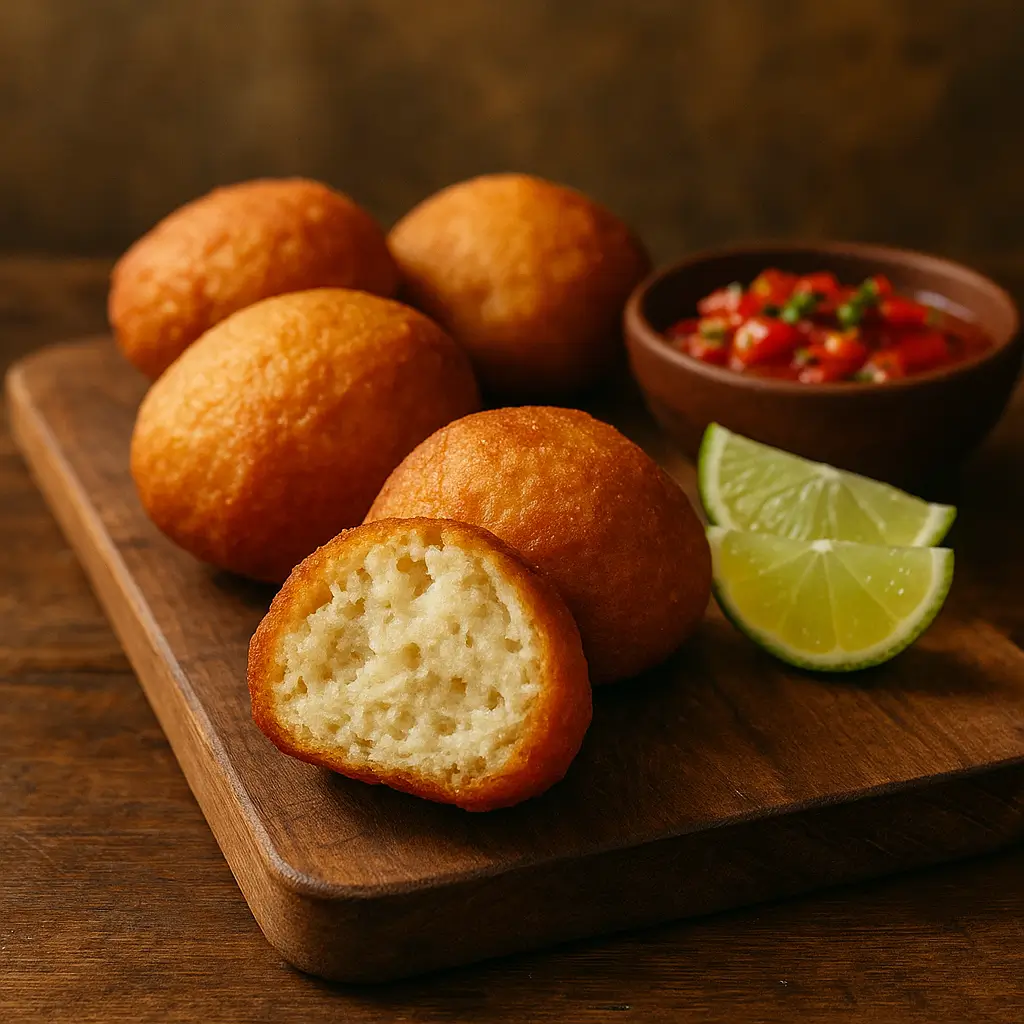
West Africa is famous for bold, savory flavors and protein rich morning meals. One of the most iconic dishes is akara, deep fried bean fritters made from black eyed peas, onions, and peppers. They’re crispy on the outside and soft inside perfect with bread or pap. Another staple is koko and koose, a millet porridge served with spiced bean cakes. Sweet options like puff puff, small round doughnuts, are also popular across Nigeria, Ghana, and Cameroon.
East African Morning Classics
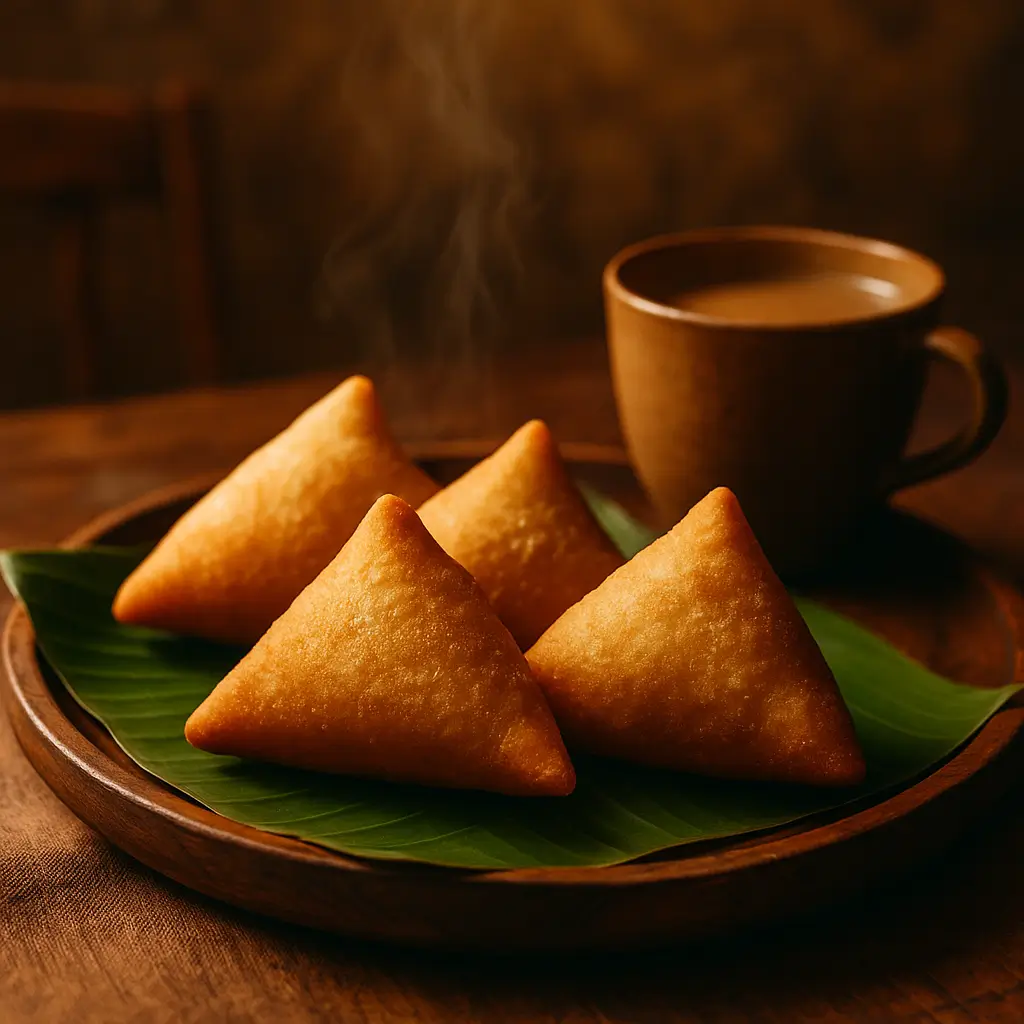
In East Africa, breakfast tends to be a cozy blend of sweet and savory. Mandazi, a slightly sweet fried bread, pairs well with tea or coffee. Uji, a warm millet or sorghum porridge, is a nutritious favorite. In coastal regions like Kenya and Tanzania, chapati with beans or mahamri with chai offer a flavorful start to the day.
North African Breakfast Traditions
North Africa brings Mediterranean and Middle Eastern influences to its dishes. Shakshuka, eggs poached in tomato sauce with spices, is one of the most popular North African breakfast foods in the US. Baghrir (Moroccan semolina pancakes) and khobz (flatbread with olive oil or honey) are also morning staples.

Central & Southern African Breakfast Dishes
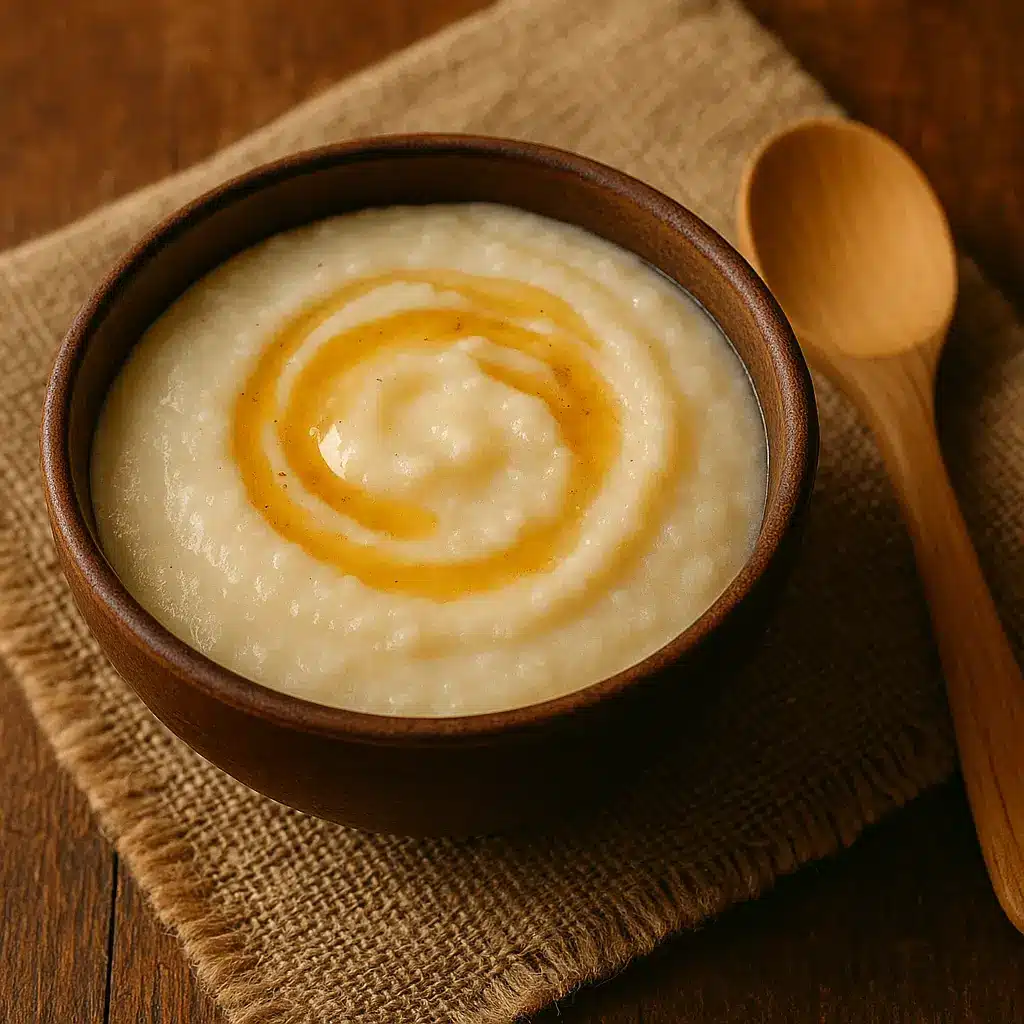
Central Africa is known for cassava based breakfasts, such as boiled cassava with spicy sauces. Southern Africa commonly features pap, a maize porridge served plain, sweet, or with savory stews. Vetkoek, a fluffy fried bread, is another favorite enjoyed with jam or minced meat.
These regional dishes showcase how African breakfast foods reflect both local agriculture and cultural identity, offering countless flavors worth exploring.
Ingredients and Flavors That Define African Breakfast Foods
African breakfast foods are shaped by fresh, local, and naturally rich ingredients that create bold, comforting flavors. When US readers search for what gives African breakfasts their unique taste, they’re usually looking for an overview of the most common ingredients grains, fruits, spices, and proteins and how they blend to form distinct regional profiles. This section highlights the core building blocks that make African morning meals so memorable.
Staple Grains and Flours
Grains form the foundation of many African breakfast dishes. Maize, millet, sorghum, and wheat flour are used to create porridges, breads, fritters, and pancakes. Maize is essential in dishes like pap (Southern Africa) and ogi (West Africa). Millet and sorghum provide earthy flavors and natural sweetness in porridges like uji or koko. Wheat flour appears in mandazi, chapati, and vetkoek, creating soft, fluffy textures that pair well with tea or sauces.
Plantains, Yams & Root Vegetables
Many African breakfast foods rely on hearty root crops. Plantains fried, boiled, or roasted bring a sweet or savory touch depending on ripeness. Yams are commonly paired with tomato and egg sauces in West Africa. Cassava, one of Africa’s most important crops, appears boiled, mashed, or fermented, giving breakfasts a satisfying, dense texture.
Beans, Eggs & Protein Sources
Protein plays a central role in morning meals across the continent. Black eyed peas, kidney beans, and fava beans form the base of dishes like akara, ful medames, and beans and chapati combos. Eggs appear in shakshuka or are served scrambled with vegetables and spices.
Herbs, Spices & Flavor Profiles
African breakfasts feature aromatic blends of ginger, cloves, cinnamon, cardamom, cumin, and chili. These spices shape both sweet dishes (like mandazi) and savory ones (like tomato stews). Fresh herbs — cilantro, parsley, basil — add brightness and balance.
Table: Key Ingredients & Their Flavors
| Ingredient | Flavor Profile | Common Uses |
|---|---|---|
| Maize | Mild, earthy | Pap, ogi porridge |
| Millet | Slightly sweet | Uji, koko |
| Plantains | Sweet or savory | Fried plantains |
| Beans | Nutty, hearty | Akara, ful |
| Spices | Warm, aromatic | Mandazi, stews |
Each ingredient contributes to the rich, satisfying experience that defines African breakfast foods, making them both comforting and nutritionally appealing.
Simple African Breakfast Recipes You Can Try at Home
African breakfast foods are not only flavorful but also easy for US home cooks to recreate with accessible ingredients. When users search for African breakfast recipes, they want simple, quick, and authentic meals they can prepare without special equipment. This section provides easy, step by step ideas that capture the true essence of African morning cuisine while remaining beginner friendly.
1. West African Akara (Bean Fritters)
Ingredients: Black eyed peas, onion, chili pepper, salt, oil
Steps:
- Blend peeled beans with onions and peppers.
- Whip the batter until airy.
- Heat oil and fry spoonfuls until golden.
- Serve with bread or pap for a traditional feel.
Flavor: Crispy outside, soft and savory inside.
2. East African Mandazi
Ingredients: Flour, sugar, coconut milk, cardamom, baking powder
Steps:
- Mix dry ingredients.
- Add coconut milk to form a soft dough.
- Roll, cut into triangles, and fry.
- Serve warm with chai tea.
Flavor: Lightly sweet with warm spice notes.
3. North African Shakshuka
Ingredients: Eggs, tomatoes, onion, garlic, cumin, paprika
Steps:
- Cook onions and garlic in oil.
- Add tomatoes and spices; simmer.
- Make small wells and crack eggs.
- Cover until eggs set.
Flavor: Rich, tangy, and perfectly spiced.
4. Southern African Pap with Milk & Sugar
Ingredients: Maize meal, water, milk, butter, sugar
Steps:
- Cook maize meal in boiling water.
- Stir until thick and smooth.
- Serve with warm milk and butter.
Flavor: Creamy, mild, and comforting.
Recipe Comparison Table
| Recipe | Prep Time | Difficulty | Flavor Profile |
|---|---|---|---|
| Akara | 20 mins | Medium | Savory, crispy |
| Mandazi | 25 mins | Easy | Sweet, spiced |
| Shakshuka | 15 mins | Easy | Tomato rich, aromatic |
| Pap | 10 mins | Very Easy | Mild, creamy |
These recipes show that African breakfast foods are versatile, nutritious, and easy to enjoy at home, even for first time cooks.
Health Benefits of African Breakfast Foods
African breakfast foods offer a powerful combination of nutrition, cultural richness, and natural ingredients that appeal to US readers looking for healthier morning options. Many people search for whether African breakfast foods are healthy, and the answer is yes most traditional dishes are built on whole grains, plant based proteins, vegetables, and minimally processed ingredients. Because of this, African breakfast foods provide balanced nutrients that support sustained energy, gut health, and overall wellness.
One of the major strengths of African breakfast foods is their reliance on slow digesting carbohydrates such as millet, maize, sorghum, and yam. These carbs help maintain steady blood sugar levels, making them great for anyone seeking longer lasting morning energy. Millet porridge, pap, uji, and mashed yam dishes deliver fiber and essential minerals that promote digestive health and improved metabolism. This makes African breakfast foods ideal for people aiming to avoid overly processed cereals and sugary pastries.
Protein is another key nutritional benefit found in many African breakfast foods. Dishes like akara, ful medames, beans and chapati, and egg based meals provide plant and animal protein that support muscle repair and immune function. Because beans are central to diets in West, East, and North Africa, these breakfasts naturally include iron, folate, magnesium, and heart healthy compounds. The balance of protein and complex carbs is one reason African breakfast foods keep you full and energized throughout the morning.
Healthy fats also play a role in the nutrition profile of African breakfast foods. Coconut milk, olive oil, palm oil, and crushed peanuts add richness while delivering important fatty acids. These fats help absorb vitamins and create satisfying textures in dishes like mandazi, shakshuka, and peanut based porridges.
Fresh herbs and spices including ginger, cardamom, cumin, chili, and coriander provide antioxidants and anti inflammatory benefits while shaping the unique flavor of African breakfast foods. These spices not only enhance taste but also contribute to improved digestion and circulation.
Below is a quick table summarizing the key health benefits of African breakfast foods:
Table: Health Benefits of African Breakfast Foods
| Benefit | Explanation |
|---|---|
| Sustained Energy | Whole grains offer long lasting fuel |
| High in Protein | Beans and eggs support muscle and immunity |
| Rich in Fiber | Helps digestion and promotes fullness |
| Healthy Fats | Coconut milk & oils improve nutrient absorption |
| Antioxidant Spices | Support inflammation control |
Overall, African breakfast foods provide a balanced, nutrient dense start to the day, making them a smart and flavorful choice for US readers seeking wholesome breakfast inspiration.
How to Incorporate African Breakfast Foods Into a US Lifestyle
African breakfast foods are becoming increasingly popular in the US as more people discover their rich flavors, cultural depth, and nutritional benefits. Many American readers search for ways to incorporate African breakfast foods into their daily routine without needing specialty ingredients or advanced cooking skills. The good news is that most dishes are simple, flexible, and easy to adapt using ingredients found in typical US grocery stores. With a few adjustments, you can enjoy the warmth and comfort of African breakfast foods right at home.
One of the easiest ways to integrate African breakfast foods into your lifestyle is by starting with dishes that require minimal prep time. Mandazi, akara, and pap can be made in small batches and stored for quick breakfasts throughout the week. These dishes fit naturally into a busy US schedule and offer an exciting alternative to standard cereal or toast. Because African breakfast foods use whole grains, beans, and spices, they also align well with health conscious eating habits in the US, especially for those seeking high fiber, high protein morning meals.
Another simple method is substituting familiar ingredients with African inspired alternatives. Instead of oatmeal, try millet porridge or sorghum porridge. Replace traditional American pancakes with baghrir Moroccan semolina pancakes for a lighter, airier breakfast. Swap fried hash browns for fried plantains, which provide a sweet and savory balance that many people love. These small swaps allow you to enjoy African breakfast foods while staying within your comfort zone.
Meal prepping is also an excellent way to embrace African breakfast foods. Many bean based dishes, porridges, and breads reheat beautifully, making them ideal for batch cooking. Akara batter can be prepared days in advance, and mandazi keeps well for grab and go mornings. For a more elevated weekend breakfast, try shakshuka or chapati with beans both offer restaurant quality flavor with minimal effort.
Below is a comparison table showing how African breakfast foods can replace common American breakfast items:
Table: Easy US Friendly Substitutions
| American Breakfast | African Alternative | Why It Works |
|---|---|---|
| Oatmeal | Millet or sorghum porridge | Similar texture, richer flavor |
| Pancakes | Baghrir (semolina pancakes) | Light, spongy, great with honey |
| Hash browns | Fried plantains | Sweet, crispy, nutrient dense |
| Breakfast sandwich | Akara with bread | High protein, flavorful |
| Scrambled eggs | Shakshuka | More spice and richness |
The more you explore African breakfast foods, the easier it becomes to blend them into your everyday meals. They offer variety, cultural depth, and nourishment all while keeping breakfast exciting and delicious.
Tips for Exploring and Cooking African Breakfast Foods Successfully
African breakfast foods offer incredible variety, bold flavors, and culturally rich traditions that appeal to US readers who want to expand their morning routines. Many people searching for how to cook African breakfast foods want practical tips, easy ingredient solutions, and simple ways to enjoy these meals at home. This section provides guidance to help you shop, cook, and recreate authentic flavors while keeping everything accessible within the US.
One of the most important tips for preparing African breakfast foods is to start with familiar dishes before exploring more complex recipes. Mandazi, fried plantains, pap, and shakshuka are great beginner friendly choices that require only basic ingredients and simple steps. These dishes help you understand the flavor patterns commonly found in African breakfast foods, such as aromatic spices, lightly sweetened doughs, and hearty grain based porridges. Once you feel comfortable, you can try more advanced dishes like koose, baghrir, or yam and egg stew.
Ingredient sourcing is another key concern for US readers learning to prepare African breakfast foods. Fortunately, most recipes rely on everyday staples like tomatoes, onions, eggs, flour, beans, and spices. For items like plantains, millet flour, or semolina, check international markets, African grocery stores, or online retailers. Many supermarkets across the US now carry plantains, cassava flour, and global spice blends, making it easier than ever to recreate authentic African breakfast foods without leaving your neighborhood.
To truly capture the essence of African breakfast foods, pay attention to seasoning and cooking techniques. Spices like ginger, cardamom, cumin, chili powder, and paprika create the warm, aromatic bases seen in many African dishes. Allow your stews to simmer, your dough to rest, and your fritters to fry slowly for the best texture and flavor. Many African breakfast foods rely on patience and gentle heat rather than fast cooking, helping ingredients develop rich, layered tastes.
Below is a helpful table summarizing tips to succeed when preparing African breakfast foods at home:
Table: Practical Tips for Cooking African Breakfast Foods
| Tip | Why It Matters |
|---|---|
| Start with simple dishes | Builds confidence and flavor familiarity |
| Shop globally online or locally | Makes ingredient access easier |
| Use authentic spices | Recreates traditional taste profiles |
| Cook slowly and patiently | Enhances depth of flavor |
| Meal prep key components | Saves time on busy mornings |
Finally, embrace experimentation. African breakfast foods are incredibly flexible, allowing you to adjust sweetness, spice level, and texture based on your preference. Whether you’re frying plantains, simmering shakshuka, or mixing dough for mandazi, each dish invites you to personalize your cooking experience while staying connected to African culinary traditions.
Conclusion
African breakfast foods offer far more than flavorful dishes they provide a doorway into the cultural traditions, ingredients, and morning rituals that have shaped African communities for generations. For US readers discovering these meals, each dish introduces a new texture, aroma, and story, whether it’s the crispy bite of akara, the soft sweetness of mandazi, the comforting warmth of pap, or the aromatic richness of shakshuka.
What makes African breakfast foods especially appealing is their balance of nutrition, simplicity, and versatility; they rely on whole grains, plant based proteins, fresh vegetables, and vibrant spices that fit beautifully into modern American lifestyles. Whether you’re looking to expand your culinary horizons, incorporate more wholesome breakfasts, or reconnect with global flavors, African breakfast foods offer an accessible and deeply satisfying path.
With easy recipes, adaptable ingredients, and endless variations, these dishes bring both heritage and heart to your morning table inviting you to explore Africa’s rich culinary landscape one delicious breakfast at a time.
FAQs About African Breakfast Foods (Professional & Expanded Answers)
1. What are African breakfast foods?
African breakfast foods are traditional morning meals enjoyed across Africa’s diverse regions, each reflecting local ingredients, agriculture, and cultural heritage. These foods include porridges made from maize, millet, or sorghum; fried breads like mandazi and puff puff; protein rich dishes such as akara (bean fritters) and ful medames (fava beans); and flavorful stews like shakshuka. While the dishes differ from country to country, they share common roots in simplicity, nourishment, and fresh ingredients. For US readers exploring global cuisine, African breakfast foods offer comforting textures, bold flavors, and a meaningful window into regional culinary traditions.
2. Are African breakfast foods healthy?
Yes. Most African breakfast foods are built on whole, nutrient dense ingredients that promote sustained energy and balanced nutrition. Grain based porridges deliver fiber and slow release carbohydrates that keep blood sugar stable, while bean based dishes supply high quality plant protein and essential minerals such as iron, magnesium, and folate. Many breakfasts incorporate healthy fats from coconut milk, peanuts, or olive oil, along with antioxidant rich herbs and spices like ginger, cumin, chili, and cardamom. When prepared in traditional ways, African breakfast foods often contain fewer processed ingredients than typical Western breakfasts, making them a wholesome and satisfying morning option.
3. Can I make African breakfast foods in a U.S. kitchen?
Absolutely. Most African breakfast foods can be prepared at home using ingredients widely available in US supermarkets. Staples such as beans, tomatoes, onions, eggs, flour, and common spices are easy to find. Plantains, millet flour, cassava flour, and semolina are increasingly stocked in major grocery chains and international markets. Even when specialty items aren’t available locally, they can be purchased online. Many dishes like shakshuka, mandazi, fried plantains, and pap require minimal equipment and simple techniques, making them beginner friendly for home cooks.
4. What are some easy African breakfast foods to try first?
Beginners can start with popular dishes that require few steps and simple ingredients. Akara (West African bean fritters) offers a crispy, savory flavor profile. Mandazi (East African fried bread) is lightly sweet and pairs perfectly with tea or coffee. Shakshuka, a North African classic, is a tomato based egg dish that cooks in one pan. For a milder option, pap or millet porridge provides a warm, comforting breakfast similar to oatmeal but with a distinct African flavor. These dishes introduce core ingredients and textures commonly found across African cuisine.
5. Where can I find ingredients for African breakfast foods in the U.S.?
You can find most ingredients for African breakfast foods at large grocery stores, especially in their international or produce sections. Plantains, sweet potatoes, maize meal, chickpeas, and black eyed peas are now standard in many supermarkets. For more specialized items like sorghum flour, millet grains, or specific spice blends, African and Caribbean grocery stores are excellent resources. Online retailers also offer a wide selection of authentic ingredients, making it easy to recreate traditional dishes no matter where you live in the US.
6. How can I serve African breakfast foods in a way that appeals to American tastes?
You can integrate African breakfast foods into familiar American breakfasts by pairing them with eggs, toast, fruit, or yogurt. For example, serve mandazi alongside coffee instead of pastries, or pair akara fritters with whole grain bread and avocado. Porridges like pap can be sweetened with honey or topped with berries to resemble oatmeal. Shakshuka can be enjoyed with toasted sourdough or pita. Adjusting spice levels, adding recognizable sides, and presenting the dishes attractively helps make African breakfast foods approachable while honoring their cultural roots.
Follow us on Pinterest
african breakfast foods authentic dishes you need to try
Ingredients
Method
- In a large mixing bowl, combine the flour, sugar, baking powder, cardamom, and salt.
- Add the coconut milk and melted butter, then mix until a soft dough forms.
- Knead the dough for 2–3 minutes until smooth. Cover and let it rest for 10 minutes.
- Roll the dough to about 1/2-inch thickness and cut it into triangles.
- Heat oil in a frying pan over medium heat.
- Fry the mandazi in batches, turning until golden brown on both sides.
- emove and drain on paper towels. Serve warm with tea or coffee.
Notes
If the dough feels too sticky, add 1–2 extra tablespoons of flour. If it feels too dry, add a splash of coconut milk until soft and workable. • Resting the Dough:
Allowing the dough to rest helps the gluten relax, making the mandazi softer and fluffier after frying. • Oil Temperature:
Keep the oil at medium heat. If it’s too hot, the mandazi will brown too quickly on the outside and stay raw inside. • Flavor Variations:
You can add cinnamon, nutmeg, or a little vanilla to make sweeter versions. Some East African versions also include grated coconut. • Serving Suggestions:
Mandazi tastes best with chai tea, black coffee, or hot cocoa. It can also be dipped in honey, jam, or sweetened condensed milk. • Storage:
Store cooled mandazi in an airtight container for 2–3 days. Reheat in the air fryer or oven for the best texture. • Freezing:
Mandazi freezes well. Freeze after frying and cooling; warm them in the oven or air fryer when ready to serve.
Hello, I enjoy reading all of your post. I wanted to write a little comment to support you.
I have the utmost respect for your support; I’m happy you’re with me.