
Bariatric jello recipe searches are booming among people recovering from weight loss surgery and for good reason. After bariatric procedures like gastric sleeve or bypass, your body needs light, protein rich foods that are easy to digest and promote healing. This simple, sugar free jello isn’t just a treat; it’s a nutritional ally designed to support your recovery journey while keeping your taste buds happy.
Bariatric jello recipe fans love how this refreshing dessert fits perfectly into the post op diet phases. It’s smooth, hydrating, and customizable you can add unflavored protein powder, collagen, or sugar free flavor mixes to make it both satisfying and beneficial. With just a few ingredients, you can create a delicious snack that aligns with your surgeon’s dietary plan and helps you meet daily protein goals.
In this guide, you’ll discover everything you need to know about making the perfect bariatric jello recipe from essential ingredients to preparation steps, protein variations, and safe eating tips during recovery. Whether you’re still in the clear liquid stage or transitioning to soft foods, this article will help you enjoy a flavorful, bariatric safe dessert that supports your health every step of the way.
Love homemade spreads? Click below to learn how to make this sweet, fresh, and easy favorite: Blueberry Jam Recipe with Sure Jell Sweet, Fresh & Easy to Make
Understanding Bariatric Jello and Its Role in Recovery
A bariatric jello recipe is more than just a sweet treat it’s a key part of the post bariatric surgery recovery plan. After procedures like gastric bypass, sleeve gastrectomy, or lap band surgery, your stomach needs time to heal and adjust to smaller portions. During this stage, foods that are smooth, sugar free, and easy to digest are essential, and that’s exactly what bariatric jello offers.
The main purpose of a bariatric jello recipe is to help patients stay hydrated while maintaining nutrition when their bodies can only handle liquids or very soft foods. Standard desserts often contain sugar and unnecessary calories, which can trigger dumping syndrome or slow recovery. In contrast, bariatric friendly jello uses sugar free gelatin and often includes added protein or collagen peptides to help support muscle repair and satiety.
Here’s how bariatric jello supports the healing process:
| Benefit | How It Helps After Surgery |
|---|---|
| Hydration | Keeps the body hydrated during the clear liquid stage. |
| Protein Support | Provides an easy way to add protein with powders or supplements. |
| Digestive Ease | Gentle on the stomach and reduces digestive strain. |
| Appetite Control | Helps manage hunger without adding excess calories or sugar. |
| Flavor Variety | Offers enjoyable flavor options to prevent diet fatigue. |
By incorporating a bariatric jello recipe into your post op meal plan, you’re giving your body a refreshing, nutrient supportive option that’s both safe and satisfying. It’s not just about eating light it’s about eating smart while your body heals and adapts to its new lifestyle.
Craving a light and healthy treat that’s full of flavor? Click below to discover your new favorite dessert: Tart Cherry Gelatin Recipe Light & Healthy Dessert You’ll Love
Ingredients You’ll Need for a Perfect Bariatric Jello Recipe
Creating a bariatric jello recipe that’s both delicious and recovery friendly starts with choosing the right ingredients. The goal is to keep it light, protein rich, and sugar free, ensuring your stomach tolerates it well during post surgery recovery. Every ingredient plays a role in hydration, healing, and maintaining muscle mass while you adjust to smaller meals.
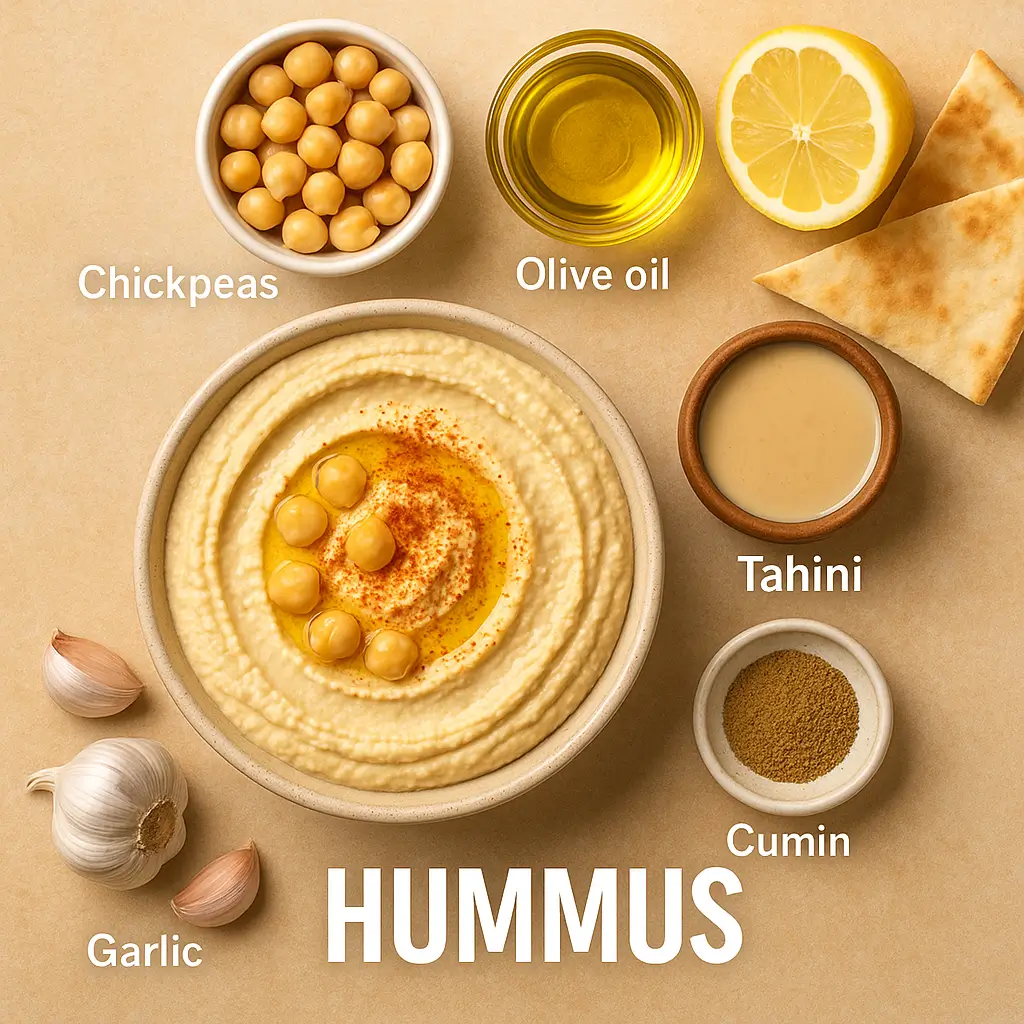
Here’s a simple list of what you’ll need for your homemade bariatric jello recipe:
| Ingredient | Purpose | Recommended Options |
|---|---|---|
| Sugar free gelatin mix | Base for flavor and texture | Jell O brand or any zero sugar alternative |
| Hot water | Dissolves gelatin powder | 1 cup (boiling) |
| Cold water | Helps the mixture set properly | 1 cup (cold) |
| Unflavored protein powder | Boosts protein without changing taste | Genepro, Isopure, or Premier Protein |
| Collagen peptides (optional) | Supports skin, joint, and gut health | Vital Proteins, Sports Research |
| Sugar free flavor enhancers (optional) | Adds variety and fun flavors | Crystal Light, Mio, or flavor drops |
Tip: Always check labels for zero sugar and low fat ingredients. Artificial sweeteners like sucralose or stevia are safe choices post surgery, but avoid products with added sugars or high fructose corn syrup.
When combined correctly, these ingredients create a smooth, flavorful gelatin dessert that meets bariatric dietary needs while satisfying cravings for something sweet. You can prepare single servings or make a batch to store in the fridge for quick, protein packed snacks throughout the week.
The beauty of this bariatric jello recipe lies in its simplicity it’s fast, affordable, and completely customizable to your taste preferences and recovery stage.
Craving a timeless dessert with a rich, buttery twist? Click below to discover the upgraded classic everyone’s raving about: Apple Butterscotch Cake Recipe A Classic Dessert Made Better
Step by Step Instructions to Make Bariatric Jello at Home
Making a bariatric jello recipe at home is simple, fast, and doesn’t require any advanced cooking skills. The process is designed to preserve flavor while ensuring the jello stays light and gentle on your post surgery stomach. Follow these easy steps to create a refreshing, protein rich treat that supports your recovery journey.
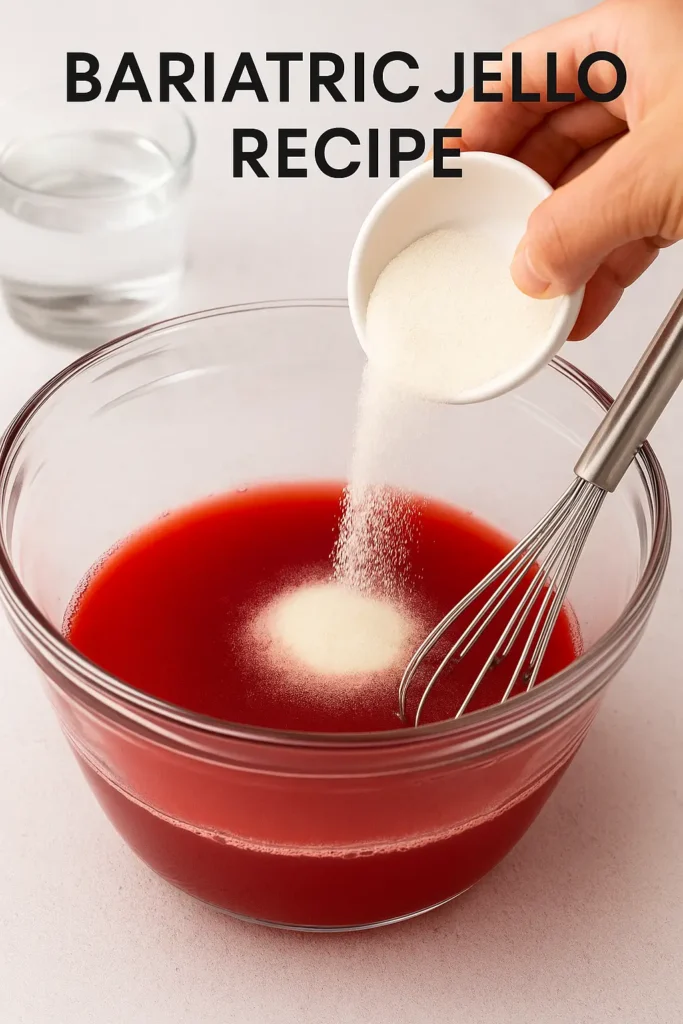
Step by Step Bariatric Jello Recipe Preparation
- Boil the Water
Start by boiling 1 cup of water. Pour it into a mixing bowl that can handle heat. This step helps the gelatin dissolve completely for a smooth texture. - Add Sugar Free Gelatin Mix
Stir in one packet of sugar free gelatin (any flavor you like). Mix well until the powder is fully dissolved. This forms the base of your bariatric jello recipe. - Incorporate Protein Powder
Add 1–2 scoops of unflavored protein powder while the liquid is still warm. Stir continuously to avoid clumps. If you prefer, you can use a hand whisk or blender for a smoother finish. - Add Cold Water
Pour in 1 cup of cold water and stir gently. The cold water helps the gelatin set properly as it cools. - Optional Boost
Add 1 tablespoon of collagen peptides or a few drops of sugar free flavor enhancer for extra nutrition or taste variety. - Chill and Set
Transfer the mixture to small containers or molds. Refrigerate for at least 2–3 hours until firm. - Serve and Enjoy
Once set, enjoy your bariatric jello recipe as a cool, satisfying, and protein rich dessert.
Pro Tip:
If you’re early in your post op phase, strain the mixture before chilling to remove any undissolved particles. This ensures a perfectly smooth, easy to digest texture.
The result? A soft, flavorful, and nutrient packed jello that’s ideal for any stage of your bariatric recovery plan from clear liquids to soft foods.
Flavor Variations and Protein Packed Twists for Your Bariatric Jello Recipe
A bariatric jello recipe doesn’t have to be plain or repetitive. In fact, one of its biggest benefits is how versatile it is you can experiment with flavors, textures, and added nutrients without compromising your post surgery dietary guidelines. The key is to keep it sugar free, light, and protein enriched while still making it exciting for your taste buds.
Popular Bariatric Jello Flavor Variations
| Flavor | How to Make It | Extra Tip |
|---|---|---|
| Strawberry Protein Jello | Use sugar free strawberry gelatin + unflavored whey protein. | Add a few drops of natural strawberry extract for a stronger taste. |
| Lemon Lime Refresh | Mix half lemon and half lime sugar free gelatin packs. | Add a squeeze of fresh lemon juice for a zesty twist. |
| Tropical Blend | Combine pineapple and orange sugar free gelatin. | Add collagen peptides for a smooth tropical boost. |
| Berry Collagen Delight | Mix raspberry gelatin with collagen and cold berry tea instead of water. | Great for hydration and antioxidants. |
| Creamy Dreamsicle | Blend orange gelatin with a few tablespoons of vanilla protein shake. | Creates a creamy, nostalgic dessert texture. |
Protein Packed Additions for Your Bariatric Jello Recipe
- Unflavored protein powder: Easiest way to increase protein content without affecting taste.
- Greek yogurt (soft food phase): Stir in a spoonful once the gelatin starts to thicken for a creamy texture.
- Collagen peptides: Great for hair, skin, and joint recovery after surgery.
- Isolate protein liquid: Replace part of the cold water with a ready to drink protein beverage for added nutrients.
Each variation of your bariatric jello recipe keeps things fun and flavorful while supporting your protein goals. Rotating flavors helps prevent “taste fatigue” and ensures you stay consistent with your recovery nutrition plan.
When and How to Eat Bariatric Jello Safely After Surgery
Knowing when and how to eat your bariatric jello recipe is just as important as making it correctly. After bariatric surgery, your digestive system is highly sensitive and must adjust gradually to new textures and portion sizes. That’s why understanding the right timing, portion control, and safety guidelines ensures your recovery stays on track while enjoying this light, nutritious treat.
When to Eat Bariatric Jello
| Diet Phase | Can You Eat Bariatric Jello? | Guidelines |
|---|---|---|
| Clear Liquid Phase | ✅ Yes | Start with sugar free, plain jello once approved by your surgeon. No protein powder yet. |
| Full Liquid Phase | ✅ Yes | Add unflavored protein or collagen for an extra nutrition boost. |
| Pureed/Soft Food Phase | ✅ Yes | You can mix in Greek yogurt or small amounts of protein shake for texture. |
| Solid Food Phase | ✅ Yes | Continue as a light snack or dessert option in your balanced meal plan. |
During the first 1–2 weeks post surgery, your body primarily needs hydration and easy to digest nutrition. That’s when the bariatric jello recipe becomes a safe, soothing choice. It helps maintain hydration while giving your taste buds a pleasant change from plain broths or clear liquids.
Safety Tips for Eating Bariatric Jello
- Avoid overeating start with 2–3 spoonfuls and stop when you feel full.
- Eat slowly to prevent discomfort or nausea.
- Use small containers to control portions and prevent mindless snacking.
- Avoid added sugar or fruit chunks during early recovery phases.
- Consult your bariatric dietitian before adding protein powders or flavorings if unsure.
By following these steps, your bariatric jello recipe becomes not just a dessert but a recovery tool that helps you heal, stay nourished, and enjoy food again safely.
Tips and Expert Advice for Perfect Bariatric Jello Every Time
Getting your bariatric jello recipe just right takes a little know how. While it’s simple to make, a few smart tips can help you achieve the perfect texture, flavor, and nutritional balance every single time. Whether you’re new to bariatric cooking or just want to elevate your jello game, these expert backed strategies will make your dessert both delicious and recovery friendly.
Expert Tips for the Best Bariatric Jello Recipe
- Use Unflavored Protein Wisely
Always add your protein powder gradually while the gelatin mixture is still warm. Stir continuously to avoid lumps. Using a hand blender can make the mixture perfectly smooth. - Stick to Sugar Free Products
Choose gelatin brands labeled sugar free or zero calorie to prevent dumping syndrome and maintain a steady energy level. Popular options include Jell O Sugar Free and Simply Delish. - Watch Your Portions
Small portions (2–4 oz servings) are ideal, especially in the early recovery stages. It helps prevent stomach discomfort and keeps calorie intake in check. - Experiment with Liquid Bases
Instead of water, try mixing your gelatin with sugar free sports drinks, herbal teas, or even clear protein drinks for extra nutrients and flavor. - Cool It Gradually
Let the mixture cool slightly before refrigerating rapid cooling can cause separation or bubbles in your bariatric jello recipe. - Keep It Fresh
Store jello in airtight containers for up to 5–7 days. Avoid freezing, as it can ruin the texture.
Bonus Tip:
If you’re sensitive to artificial sweeteners, look for jello brands made with natural sweeteners like stevia or monk fruit. These maintain a clean, pleasant flavor without any aftertaste.
By applying these practical tips, your bariatric jello recipe will turn out smooth, flavorful, and perfectly aligned with your nutritional goals every time you make it.
Common Mistakes to Avoid When Making Bariatric Jello
Even though a bariatric jello recipe is simple to make, a few small mistakes can affect the texture, taste, or safety of your dessert especially when you’re recovering from surgery. Understanding what to avoid ensures that your jello stays smooth, nutrient rich, and perfectly suitable for your bariatric meal plan.
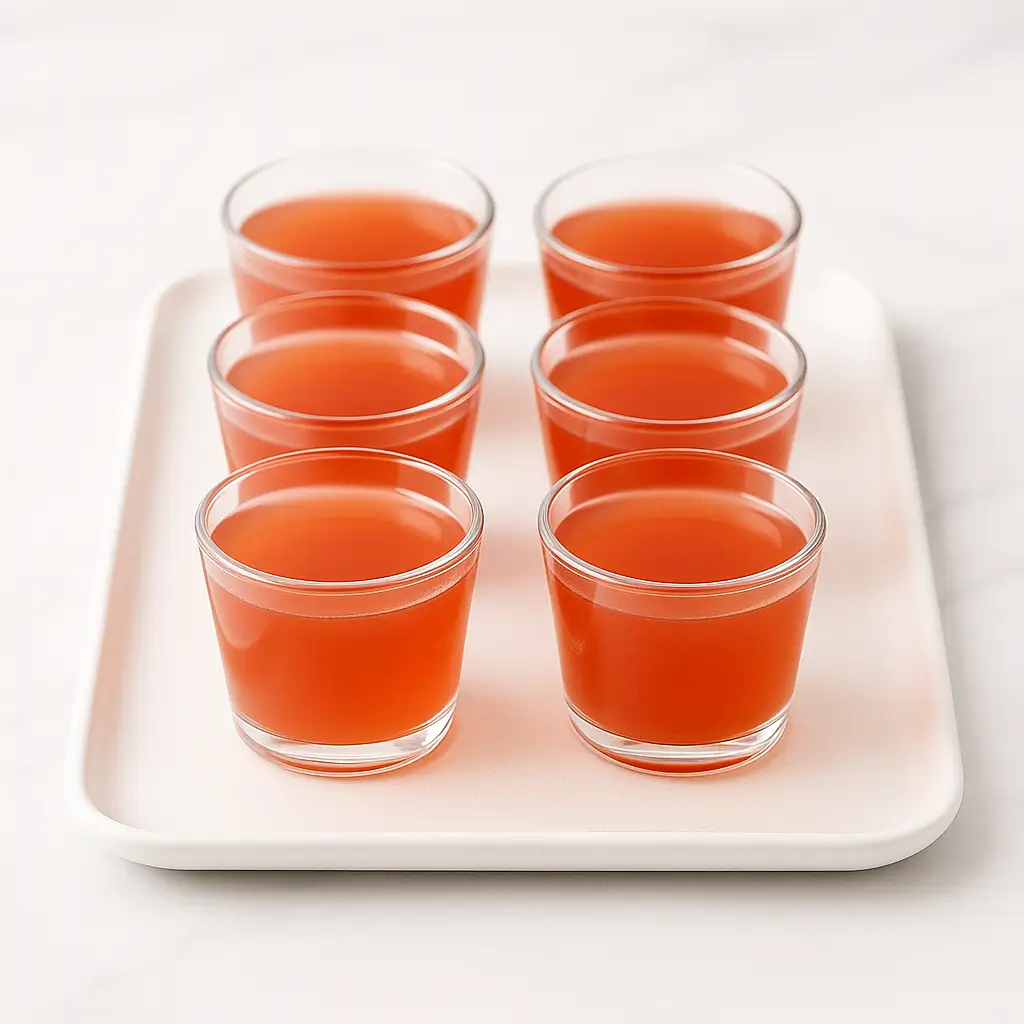
Top Mistakes to Avoid with Bariatric Jello Recipes
| Mistake | Why It’s a Problem | Better Approach |
|---|---|---|
| Using regular sugary gelatin | Can cause dumping syndrome, nausea, or blood sugar spikes. | Always use sugar free gelatin or naturally sweetened alternatives. |
| Adding protein to cold liquid | Leads to clumps and gritty texture. | Mix protein powder into warm gelatin while stirring continuously. |
| Skipping portion control | May lead to stomach discomfort or bloating. | Serve in small 2–4 oz cups and eat slowly. |
| Not dissolving gelatin completely | Creates uneven texture and prevents setting. | Stir until all powder is fully dissolved in boiling water. |
| Adding fruit or toppings too early | Fruit acids can prevent gelatin from setting properly. | Wait until the jello is partially set before adding any soft mix ins. |
| Improper storage | Bacteria can grow or texture can degrade. | Store in an airtight container in the fridge for up to 7 days. |
Pro Insight:
Some bariatric patients experience temporary sensitivity to artificial sweeteners. If your bariatric jello recipe tastes too sweet or causes bloating, try brands with natural sweeteners like stevia, erythritol, or monk fruit.
Avoiding these simple errors can make a huge difference in your recovery. You’ll enjoy a smooth, protein rich jello that’s easy on your stomach and supportive of your nutritional goals. Plus, once you master the technique, you can experiment confidently with flavors and protein levels as your recovery progresses.
Conclusion: Enjoying a Bariatric Jello Recipe the Smart, Healthy Way
A bariatric jello recipe may look like a simple dessert, but it’s actually a strategic part of your post surgery recovery plan. Designed to be light, hydrating, and rich in protein, it helps you meet your nutritional goals while giving you something sweet and satisfying to enjoy. After bariatric surgery, every bite matters and choosing foods that are gentle on your stomach, sugar free, and nutrient dense can make a real difference in your healing journey.
The beauty of the bariatric jello recipe is in its versatility. You can adapt it to your personal taste, phase of recovery, and nutritional needs. From adding unflavored protein powder for extra strength to experimenting with fruity or creamy variations, it’s easy to make this treat both fun and functional. Plus, because it’s quick to prepare and keeps well in the fridge, it fits perfectly into busy post op lifestyles.
Remember, though, that even with something as light as jello, portion control and patience are key. Always follow your surgeon or dietitian’s timeline, listen to your body, and enjoy each phase of your dietary progression mindfully. Over time, these small, balanced choices like enjoying a well prepared bariatric jello recipe will help you build sustainable habits, maintain your results, and celebrate your healthier, stronger self.
So go ahead whip up your next batch of bariatric friendly jello, stay hydrated, stay nourished, and savor the sweet taste of progress.
FAQs About Bariatric Jello Recipe
1. What is a bariatric jello recipe?
A bariatric jello recipe refers to a gelatin based dessert specially adapted for people who have undergone bariatric (weight loss) surgery. The key features are:
- Sugar free or very low sugar gelatin, to reduce the risk of dumping syndrome or rapid blood sugar spikes. For example, many post op liquid diet guidelines list sugar free gelatin as an allowed liquid.
- Enhanced with protein (and sometimes collagen) so it contributes to the healing and recovery process when solid foods are still limited.
- Gentle on the stomach because after surgery the stomach is smaller, sensitive, and can’t handle large or heavy desserts or meals right away. The jello is smooth, easy to digest, and provides hydration.
So in short: the bariatric jello recipe isn’t just a standard dessert it’s a recovery food tailored to the needs of the post surgery digestive system.
2. When can I start eating a bariatric jello recipe after surgery?
The timing depends on your specific procedure and your surgeon’s or dietitian’s instructions, but here’s a typical framework:
- In the clear liquid phase (often the first 1–2 weeks post op) you are limited to liquids and very soft foods. Many programs explicitly list sugar free gelatin as acceptable.
- As you progress to the full liquid phase, you may be allowed “sugar free gelatin” plus protein shakes. So you could begin a simple jello (without added protein) and gradually move to more enriched versions.
- Only after you are cleared for the soft food phase should you introduce more texture, toppings or thicker versions of jello.
Because each person’s recovery timeline and tolerance vary, always check with your surgical team before introducing even sugar free gelatin: some may restrict even that in the very early stage.
In practice: once you’re stabilized on liquids and your dietitian gives the go ahead, you can adopt your bariatric jello recipe as part of your soft food plan.
3. How much protein should I aim for in the jello?
Since protein is a critical nutrient after bariatric surgery (to support healing, preserve muscle mass, and stabilize blood sugar), the goal is to integrate protein whenever possible. While jello alone has minimal protein, you can boost it:
- A typical extra target might be 5–15 grams of added protein per serving, depending on your overall daily goal and stage of recovery.
- For example, if your daily protein target is 60-80 g (common post op), a 10 g boost via jello helps meet that. Many diet progression protocols emphasize adding protein powder or collagen to liquids and soft foods.
- Ensure the protein powder is unflavored or mild, low in sugar/fat, and that it dissolves smoothly in the gelatin base to maintain texture.
Remember: The jello is one part of your overall nutrition plan it doesn’t replace main protein sources but offers an easy, light way to supplement.
4. Can I use regular sugary gelatin instead of sugar free?
Using regular gelatin with sugar is not advisable right after bariatric surgery for several reasons:
- Sugary desserts can trigger dumping syndrome, a rapid gastric emptying phenomenon common after some bariatric surgeries (especially bypass), which causes nausea, dizziness, sweating, and more.
- High sugar may cause blood sugar spikes followed by crashes unhelpful in a post surgical recovery phase when the body is already adjusting.
- Many diet guidelines for the post op clear/liquid phases specifically state “sugar free gelatin” or “no sugar added gelatin/popsicles.”
Thus, for safety and recovery support, opt for sugar free or naturally sweetened gelatin. Once you’re much further out in your recovery and cleared for general desserts, you may have more flexibility but always follow your surgeon/dietitian’s guidance.
5. What portion size is safe for a bariatric jello recipe?
Portion size matters because after bariatric surgery your stomach capacity is reduced, and tolerance for volume is initially much lower. Here’s how to determine a safe portion size:
- Start with a small serving, such as about 2–4 ounces (¼ cup – ½ cup) of jello.
- Eat slowly, chew/swallow carefully, and stop if you feel full or uncomfortable. Because the stomach is healing, even small overfills can cause discomfort or vomiting.
- Follow your dietitian’s pace: if you are still in the liquid or soft phase, stick to small volumes and monitor tolerance. As you progress and your capacity increases, you may move to slightly larger servings (e.g., ½ cup).
- Serving the jello in pre measured small cups helps control portions and prevents mindless eating.
In short: less is more early on; focus on volume you tolerate well, not quantity.
6. Can I freeze a bariatric jello recipe into popsicles or other frozen treats?
Yes you can, and it can be a refreshing variation but with precautions:
- Freezing may alter the texture; ensure the popsicle is soft enough to be chewed/swallowed easily and not ice hard which could irritate sensitive stomach lining.
- Ensure the ingredients (gelatin base, protein powder) are compatible with freezing and thawing without separation.
- Ensure the freezing doesn’t add unintended sugar, fat or additives that may compromise your post op plan. If you use sugar free gelatin with a mild protein addition, freezing is fine once you are cleared for soft foods.
- Confirm with your dietitian that frozen treats are permitted in your phase; some programs may ask you to avoid anything too cold or with chunks until your stomach is more healed.
A frozen jello popsicle can be a great way to vary texture and flavor while staying aligned with your bariatric dietary goals but treat it as a variation, not a substitute for core nutrition.
Follow us on Pinterest

bariatric jello recipe simple steps for a high protein dessert
Ingredients
Method
- Boil Water: In a medium heat-proof bowl, pour 1 cup of boiling water.
- Dissolve Gelatin: Add the sugar-free gelatin mix and stir until fully dissolved.
- Add Protein Powder: While the mixture is still warm, whisk in the unflavored protein powder gradually to prevent clumps.
- Add Cold Water: Stir in 1 cup of cold water.
- Optional Add-ins: Mix in collagen peptides or flavor enhancers if desired.
- Chill: Pour into small serving cups or molds and refrigerate for 2–3 hours, or until firm.
- Serve: Enjoy chilled as a light, protein-rich bariatric-friendly snack.
Notes
- Always use sugar-free gelatin to avoid dumping syndrome.
- Start with small portions (2–4 oz) in early recovery.
- Great for hydration and mild protein supplementation post-surgery.
- Try mixing flavors strawberry, lemon-lime, or orange dreamsicle.
- Store covered in the refrigerator for up to 7 days.
Deference to article author, some good information .
I don’t even understand how I ended up here, however I thought this submit was great. I don’t understand who you’re however definitely you are going to a famous blogger if you are not already 😉 Cheers!
Spot on with this write-up, I truly assume this website wants far more consideration. I’ll most likely be once more to learn far more, thanks for that info.
Hi there Dear, are you truly visiting this site daily, if so then you will
absolutely get nice know-how.