
Benefits of zucchini flowers go far beyond their beauty they’re a hidden gem in the world of nutrition and wellness. These golden yellow blossoms from the zucchini plant aren’t just visually stunning; they’re an edible treasure packed with flavor, vitamins, and antioxidants. If you’ve ever wondered why chefs, health enthusiasts, and food lovers are raving about zucchini flowers, this guide will show you exactly why they deserve a place on your plate.
The benefits of zucchini flowers start with their impressive nutritional profile. Each delicate petal is loaded with vitamin C, vitamin A, potassium, magnesium, and iron, making them a powerful boost for your immune system and overall well being. They’re also naturally low in calories and rich in antioxidants and dietary fiber, which help support healthy digestion, radiant skin, and reduced inflammation. For anyone focused on clean eating or plant based diets, zucchini flowers are a flavorful way to add essential nutrients without excess calories or fat.
Beyond their health advantages, the benefits of zucchini flowers also extend to their incredible culinary versatility. These blossoms can be stuffed with cheese, sautéed, baked, or even fried lightly in olive oil bringing a unique gourmet touch to everyday meals. As you read on, you’ll discover how zucchini flowers combine nutrition, taste, and simplicity, transforming your cooking and health in ways you never imagined.
Heard about the viral beauty hack everyone’s curious about? Click below to uncover the secret behind it: What Is the Brazilian Baking Soda Trick? The Secret You Need to Know
What Are Zucchini Flowers? Nature’s Edible Gold
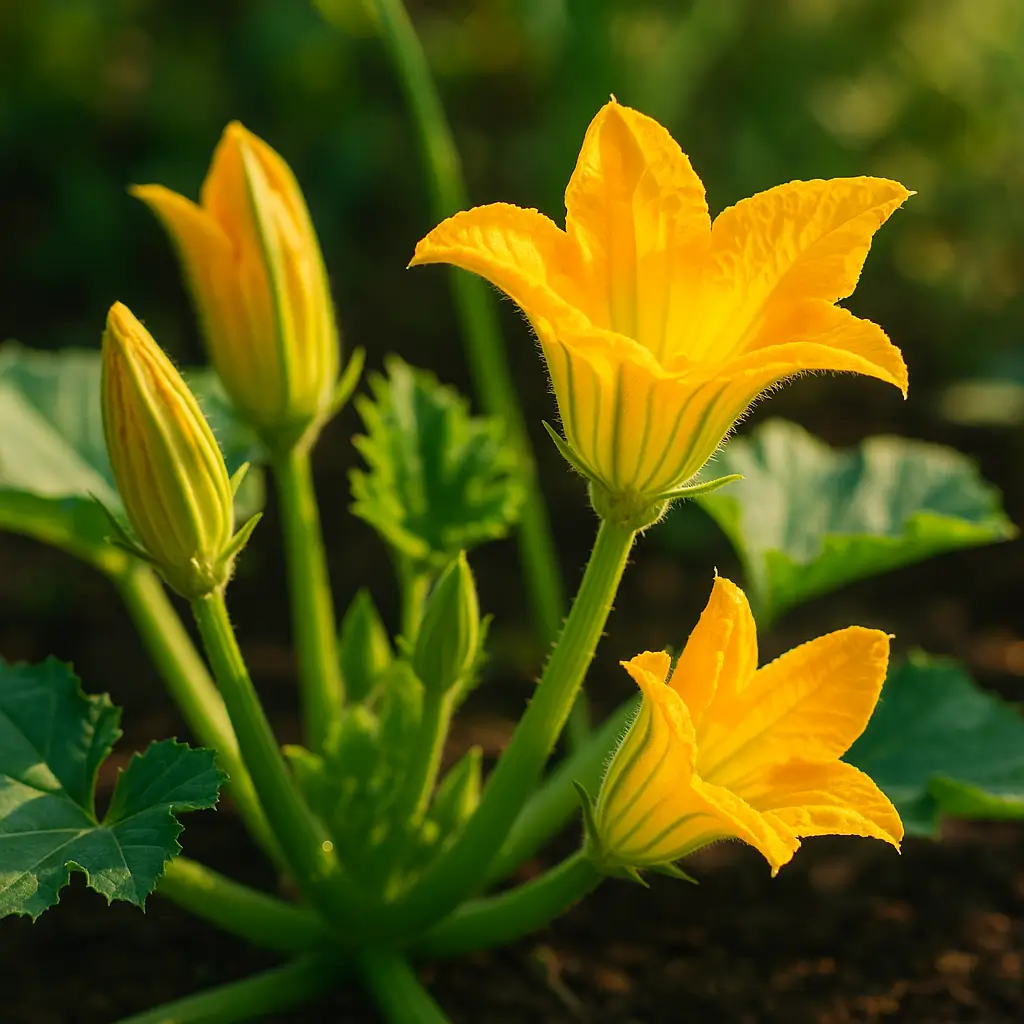
The benefits of zucchini flowers begin with understanding what these beautiful blooms actually are. Zucchini flowers, also known as courgette blossoms, are the delicate yellow orange flowers that grow on zucchini plants before the vegetable itself forms. These blossoms are not just ornamental they’re edible, flavorful, and packed with nutrients that support a healthy lifestyle. For centuries, they’ve been prized in Italian, Mexican, and Mediterranean cuisines for their light, slightly sweet taste and versatility in recipes.
The benefits of zucchini flowers also depend on the type you use. There are two kinds of zucchini flowers the male and the female blossoms.
Here’s a quick comparison to help you tell them apart:
| Type of Flower | Appearance | Function | Culinary Use |
|---|---|---|---|
| Male Flower | Grows on a thin stem | Produces pollen | Commonly used for cooking (easier to harvest) |
| Female Flower | Attached directly to the young zucchini | Develops into the fruit | Used less often since it grows into zucchini |
Both types are edible and equally nutritious, but male flowers are typically harvested for cooking to allow the plant to continue producing zucchinis.
From a culinary and nutritional perspective, zucchini flowers are a unique superfood tender, low in calories, and rich in vitamins A, C, and B complex, along with iron, calcium, and potassium. Their light texture makes them ideal for stuffing, frying, or adding to soups and salads. Whether you pick them fresh from your garden or buy them from a local farmers’ market, zucchini blossoms are a seasonal treat that delivers flavor and health in every bite.
Craving the perfect mix of gooey chocolate chips and crunchy Oreos? Click below to learn how to bake the best batch ever: Oreo Chocolate Chip Cookies How to Bake the Best
Nutritional Value of Zucchini Flowers A Tiny Bloom with Big Benefits
The benefits of zucchini flowers are rooted in their impressive nutritional makeup. Though they appear delicate, these blossoms are nutritional powerhouses loaded with essential vitamins, minerals, and antioxidants that support overall health. Eating zucchini flowers regularly can contribute to improved immunity, better digestion, and radiant skin all while keeping your calorie intake minimal.
The benefits of zucchini flowers shine through their nutrient density. They’re rich in vitamin C, which strengthens the immune system, and vitamin A, which supports eye health and glowing skin. They also contain vitamin B9 (folate), essential for cell repair and energy production, along with trace minerals like potassium, iron, and calcium that help regulate blood pressure and bone strength. For anyone focused on a balanced diet, zucchini flowers are a light yet nutrient packed addition to everyday meals.
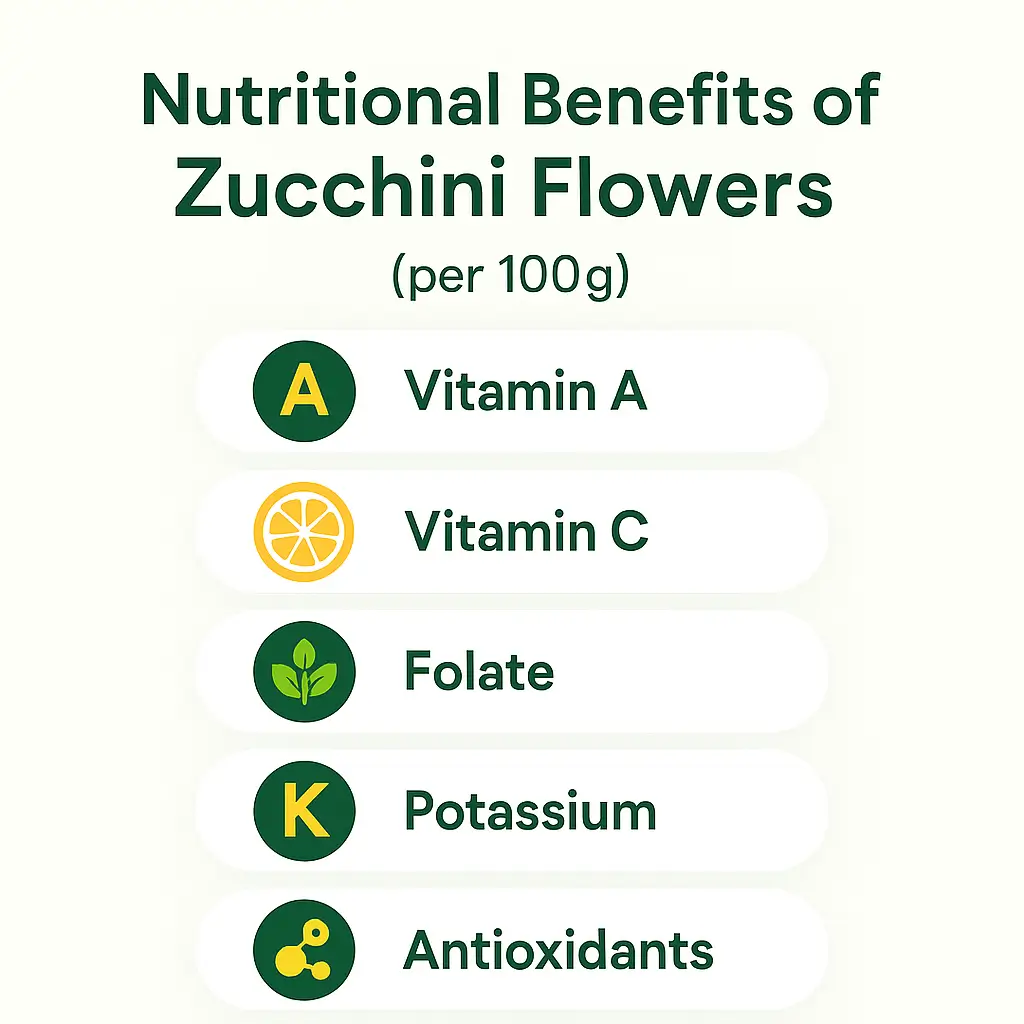
Below is a table summarizing the key nutrients found in zucchini flowers (per 100 grams, approximately):
| Nutrient | Amount | Health Benefit |
|---|---|---|
| Calories | 15 kcal | Low calorie food, ideal for weight control |
| Vitamin C | 28 mg | Boosts immunity and collagen production |
| Vitamin A | 40 µg | Promotes healthy vision and skin |
| Folate (B9) | 20 µg | Supports cell regeneration and metabolism |
| Potassium | 190 mg | Helps regulate heart and muscle function |
| Calcium | 18 mg | Strengthens bones and teeth |
| Iron | 0.5 mg | Supports healthy blood and oxygen transport |
The benefits of zucchini flowers go beyond their nutrient content they’re also high in antioxidants like beta carotene and lutein, which help fight oxidative stress and protect cells from damage. With their mild flavor and nutrient rich profile, zucchini blossoms are a natural choice for those seeking both taste and wellness.
Top Health Benefits of Zucchini Flowers Why You Should Eat Them Often
The benefits of zucchini flowers extend far beyond their beautiful appearance. These vibrant blossoms are more than just an edible garnish they’re a nutrient rich food that can make a real difference in your overall health. Whether you’re looking to boost your immune system, improve digestion, or add more antioxidants to your diet, the benefits of zucchini flowers offer natural ways to enhance wellness without relying on supplements or processed foods.
One of the key benefits of zucchini flowers is their immune boosting power. Thanks to their high levels of vitamin C and beta carotene, they help protect the body from free radicals, strengthen white blood cells, and speed up recovery from illnesses. This makes them an excellent food to include during seasonal changes or flu season. Additionally, their vitamin A content supports healthy vision and skin, while antioxidants like lutein and zeaxanthin protect against cell damage caused by pollution and stress.
Another major benefit of zucchini flowers lies in digestive health. The blossoms are rich in dietary fiber, which supports smooth digestion, prevents bloating, and promotes a healthy gut microbiome. They’re gentle on the stomach and can easily fit into vegetarian, vegan, and gluten free diets. For people managing weight, zucchini flowers provide satisfying volume with very few calories making them a great choice for low calorie meals that don’t compromise on nutrition.
Moreover, the benefits of zucchini flowers include support for bone and heart health. With minerals like calcium, iron, and potassium, they help maintain bone density, regulate blood pressure, and improve circulation. Regular consumption may also aid in reducing inflammation, which contributes to a lower risk of chronic conditions such as heart disease and arthritis.
Beyond physical health, the benefits of zucchini flowers can positively influence mood and energy levels. Their natural folate and B vitamins help the body convert food into energy efficiently, reducing fatigue and promoting mental clarity. When incorporated into balanced meals, these golden blossoms contribute to a vibrant, healthy lifestyle that’s both delicious and sustainable.
In short, the benefits of zucchini flowers touch nearly every part of your wellbeing from immunity and skin health to digestion and vitality. They’re proof that sometimes, the smallest foods can deliver the most powerful results.
Culinary Uses and Preparation Methods Enjoying the Benefits of Zucchini Flowers
The benefits of zucchini flowers are best experienced when you bring these delicate blossoms into your kitchen. Their mild, slightly sweet flavor and soft texture make them a favorite ingredient among chefs and home cooks alike. Beyond their nutritional value, the benefits of zucchini flowers also include their versatility they can be prepared in dozens of ways, adding elegance and nourishment to any meal.
One of the most popular ways to enjoy the benefits of zucchini flowers is by stuffing them. You can fill the blossoms with a creamy ricotta mixture, seasoned with herbs like basil or parsley, then lightly bake or fry them for a crisp yet tender appetizer. This traditional Italian style dish highlights the flower’s natural sweetness while preserving its nutrients. For a lighter option, try steaming or sautéing zucchini flowers with olive oil and garlic a simple yet flavorful way to enhance any pasta, risotto, or salad.
Another delicious way to unlock the benefits of zucchini flowers is by using them in soups, omelets, or quesadillas. In Mexican cuisine, “flor de calabaza” is often combined with cheese, onions, and spices to make comforting, protein rich meals. In salads, the flowers can be eaten raw, adding color and a subtle crunch. Regardless of how you prepare them, zucchini blossoms should always be handled gently and cooked soon after harvesting, as they wilt quickly.
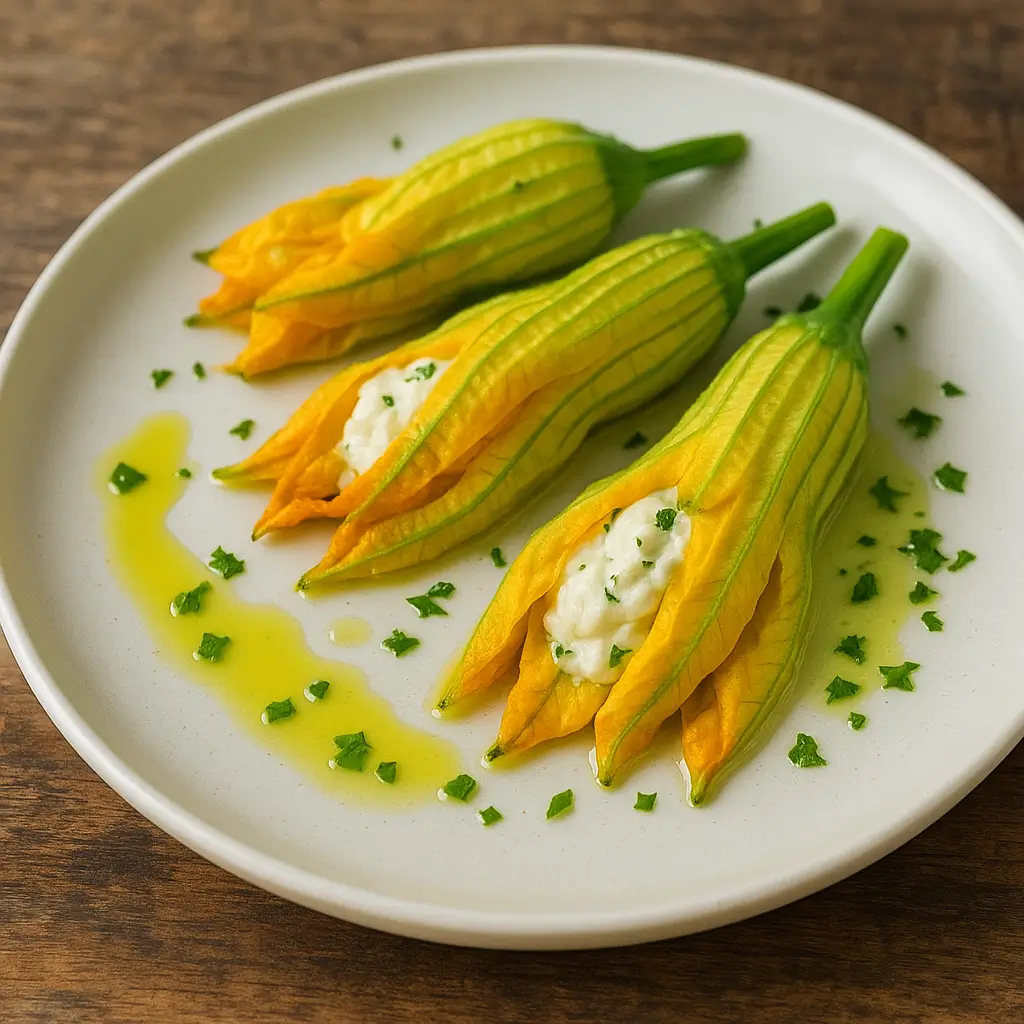
Here’s a quick guide for preparation to make the most of the benefits of zucchini flowers:
| Step | How to Do It | Why It Matters |
|---|---|---|
| 1. Cleaning | Rinse gently with cool water; remove pistils and stems. | Keeps flavor light and removes dirt or insects. |
| 2. Drying | Pat dry with paper towels. | Prevents sogginess during cooking. |
| 3. Cooking | Bake, fry, sauté, or steam for 2–3 minutes. | Retains nutrients and enhances texture. |
| 4. Storing | Keep refrigerated and use within 24 hours. | Maintains freshness and nutritional value. |
Cooking brings out both the taste and the benefits of zucchini flowers. Their adaptability allows you to experiment with global cuisines from Italian stuffed blossoms to Mexican soups and Mediterranean salads. Whether served as a side dish or the star of your meal, zucchini flowers transform simple ingredients into a gourmet, health boosting experience.
Comparing Zucchini Flowers with Other Edible Blossoms How They Stand Out
The benefits of zucchini flowers are often compared to those of other edible blossoms like squash blossoms, nasturtiums, and hibiscus. While all these flowers are beautiful and nutrient rich, the benefits of zucchini flowers make them uniquely versatile, mild in flavor, and highly nutritious a perfect balance between taste and health. Understanding how they compare can help you make smarter choices in your diet and expand your culinary creativity.
One of the standout benefits of zucchini flowers is their low calorie, high nutrient composition. Unlike some edible flowers that are primarily decorative, zucchini blossoms provide a substantial dose of vitamins A, C, and folate, along with minerals like potassium, calcium, and iron. Their nutrient balance supports overall wellness while being gentle on digestion ideal for clean eating and plant based lifestyles.
To better understand their advantages, here’s a comparison of zucchini flowers with other edible blossoms:
| Flower Type | Flavor Profile | Key Nutrients | Culinary Uses | Unique Benefit |
|---|---|---|---|---|
| Zucchini Flowers | Mild, slightly sweet | Vitamins A, C, folate, potassium | Stuffed, sautéed, fried, raw | Balanced nutrition + versatile flavor |
| Squash Blossoms | Earthy, mild | Vitamin C, calcium | Fried or baked | Similar to zucchini flowers but denser texture |
| Nasturtiums | Peppery, tangy | Vitamin C, iron | Salads, garnishes | Natural antibacterial properties |
| Hibiscus | Tart, fruity | Antioxidants, vitamin C | Teas, desserts | Supports heart health |
| Chamomile Flowers | Sweet, floral | Antioxidants | Teas, infusions | Promotes relaxation and sleep |
The benefits of zucchini flowers shine because they deliver a wide range of nutrients without overpowering other flavors in a dish. Their neutral taste makes them compatible with savory or lightly sweet recipes, while their nutritional profile supports immunity, skin health, and metabolism. Plus, their versatility means you can enjoy them cooked or raw without losing much of their vitamin content.
Unlike other edible flowers that serve a niche purpose, the benefits of zucchini flowers combine culinary adaptability and health value in one ingredient. Whether you’re exploring new recipes or aiming for a nutrient dense diet, these blossoms are a smart, flavorful addition to your kitchen proving that eating healthy can also be deliciously beautiful.
How to Grow and Harvest Zucchini Flowers at Home Fresh and Full of Benefits
The benefits of zucchini flowers can be enjoyed even more when you grow them yourself. Cultivating zucchini plants at home is simple, rewarding, and gives you access to fresh blossoms that retain all their nutrients and flavor. Whether you have a large garden or just a few pots on your patio, growing zucchini flowers allows you to experience their full health and culinary potential right from your backyard.
To start enjoying the benefits of zucchini flowers, you’ll need to plant zucchini seeds in a sunny, well drained spot. These plants love warmth, requiring at least 6–8 hours of sunlight daily and nutrient rich soil. Water consistently, but avoid overwatering, as soggy soil can cause root rot. In about 6 to 8 weeks, your zucchini plants will begin producing blossoms both male and female flowers, each playing a distinct role in pollination and food production.
Here’s how to identify and harvest them for the best results:
| Flower Type | Where It Grows | When to Harvest | Tips |
|---|---|---|---|
| Male Flowers | On long, thin stems | Early morning | Pick frequently to encourage more blooms |
| Female Flowers | Attached to tiny zucchinis | After pollination | Harvest sparingly to allow fruit growth |
When harvesting, choose flowers that are bright, firm, and freshly opened. Morning is the best time since the blossoms are full and less wilted. Handle them gently to preserve their delicate petals and wash carefully before cooking. Once picked, store them in a cool, humid environment ideally the refrigerator and use them within 24 hours for maximum freshness and nutritional value.
The benefits of zucchini flowers are amplified when eaten fresh, as their vitamin C and antioxidant content decline quickly after harvesting. Growing your own ensures you enjoy them at their nutritional peak, while also giving you control over soil quality and pesticide use. Plus, homegrown zucchini blossoms are often more flavorful and vibrant than store bought ones.
In essence, cultivating your own zucchini plants is not just about gardening it’s a way to embrace a healthier, more sustainable lifestyle. By growing and harvesting these blossoms, you’re not just adding freshness to your table you’re unlocking the full benefits of zucchini flowers in their purest form.
Tips for Buying, Storing, and Cooking Zucchini Flowers Safely Maximize the Benefits of Zucchini Flowers
The benefits of zucchini flowers are best preserved when they’re handled, stored, and cooked with care. Because these blossoms are extremely delicate, they require special attention from the moment you buy them to the time they reach your plate. Knowing how to select, clean, and prepare them properly ensures you enjoy not only their fresh flavor but also all the nutrients that make the benefits of zucchini flowers so remarkable.
When buying zucchini blossoms, always look for bright yellow or orange petals that are firm, slightly glossy, and free from brown spots or signs of wilting. Fresh flowers indicate better nutritional quality and flavor. If possible, purchase them from local farmers’ markets or organic stores, where they are less likely to have been treated with chemicals or stored for long periods. Freshness is key because the benefits of zucchini flowers especially their vitamin C, folate, and antioxidant content start to diminish after just one or two days.
Proper storage is essential to maintaining the benefits of zucchini flowers. Once you bring them home, gently place the blossoms in a paper towel lined container and store them in the refrigerator. Avoid sealing them in airtight bags, as this can trap moisture and cause the petals to spoil quickly. The best practice is to use them within 24 to 36 hours for optimal taste and nutrition.
Cooking methods also play a big role in preserving the benefits of zucchini flowers. Overcooking can destroy valuable vitamins and antioxidants, so gentle cooking techniques are best. Try lightly steaming, baking, or sautéing the flowers for just a few minutes. If you enjoy crispy textures, a quick pan fry with olive oil is a great choice just avoid heavy batters or deep frying, which can reduce nutritional value.
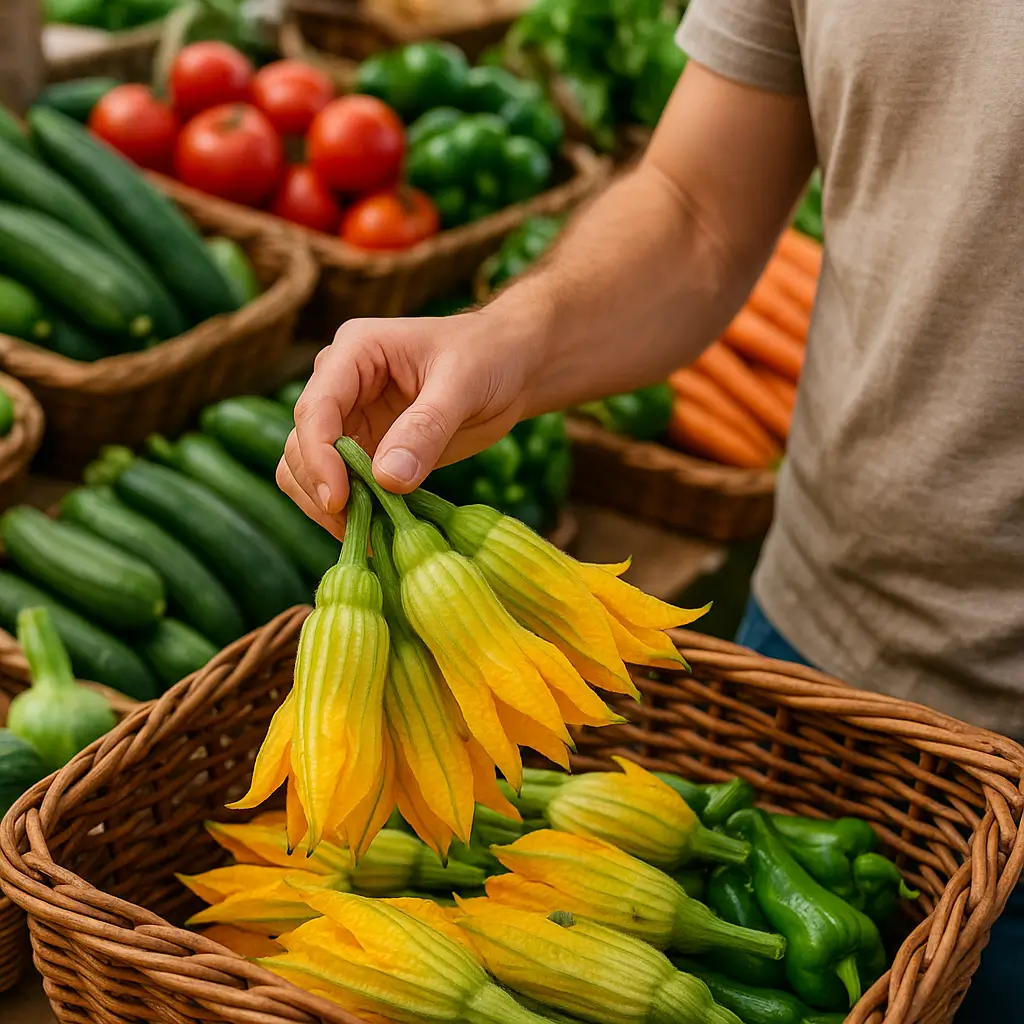
Here’s a quick safety and freshness guide to help maintain the benefits of zucchini flowers:
| Step | Best Practice | Why It Matters |
|---|---|---|
| Buying | Choose bright, firm blossoms | Indicates freshness and peak nutrition |
| Storing | Keep refrigerated with airflow | Prevents wilting and mold |
| Cooking | Lightly cook for 2–3 minutes | Retains vitamins and texture |
| Eating | Enjoy immediately after cooking | Maximizes nutrient absorption |
In short, the benefits of zucchini flowers are only fully realized when freshness and gentle cooking go hand in hand. By following these tips, you’ll savor every bite packed with flavor, color, and nutrients while making the most of this natural, health boosting delicacy.
Conclusion: Embracing the Full Benefits of Zucchini Flowers
The benefits of zucchini flowers go far beyond their delicate petals and culinary charm. These golden blossoms are a nutrient-dense superfood, packed with vitamins, minerals, and antioxidants that support immunity, skin health, and digestion all while being low in calories and incredibly versatile in the kitchen. From vibrant salads and stuffed appetizers to light sautés and baked dishes, zucchini flowers transform everyday meals into nourishing gourmet experiences.
What makes the benefits of zucchini flowers truly special is their balance of taste and wellness. They bring color and creativity to your plate while contributing to a wholesome diet rich in plant-based nutrients. Whether you grow them at home or buy them fresh from your local farmers’ market, these blossoms reward you with freshness, flavor, and health benefits that few other edible flowers can match.
Incorporating the benefits of zucchini flowers into your lifestyle is more than a culinary choice it’s a mindful step toward eating seasonally, supporting local produce, and embracing a diet that’s both delicious and nourishing. So next time you spot those beautiful yellow blooms, don’t just admire them taste them, cook them, and let them elevate your health naturally.
Because when it comes to wellness, the humble zucchini flower proves that small things can make a big difference.
FAQs About the Benefits of Zucchini Flowers
Q1: Are the benefits of zucchini flowers safe for everyone to eat?
Yes when prepared properly, the benefits of zucchini flowers can be enjoyed by most healthy adults. However, individuals with pollen sensitivities or allergies to squash plants should proceed with caution and consult a healthcare provider if needed.
Q2: How many zucchini flowers should I eat to get the benefits of zucchini flowers?
There’s no strict “serving size” for the benefits of zucchini flowers, but adding 2–4 blossoms per meal (roughly a handful) can help you tap into their vitamin A, vitamin C, fiber and mineral advantages.
Q3: Can I get the same benefits of zucchini flowers from regular zucchini fruit?
While the zucchini fruit offers many nutrients, the benefits of zucchini flowers are unique because the blossoms offer additional antioxidants like polyphenols, and a delicate structure that supports freshness in cooking.
Q4: Do the benefits of zucchini flowers hold up when cooked?
Yes but cooking gently is key. To preserve the maximum benefits of zucchini flowers, avoid over cooking; light sautéing or baking retains more vitamins and antioxidants than heavy frying.
Q5: Are there any downsides or risks to eating zucchini flowers?
The main risk is spoilage the benefits of zucchini flowers drop quickly when the blossoms wilt. Always choose fresh, firm flowers, store them right, and clean them before cooking to avoid bacteria or insects.
Q6: Can pregnant women or children benefit from eating zucchini flowers?
Yes, the benefits of zucchini flowers including folate and vitamin C support healthy development; however, as with all foods, make sure they are well washed, cooked appropriately, and introduced in moderation especially for children or prenatal diets.
Follow us on Pinterest
benefits of zucchini flowers the hidden superfood you never knew
Ingredients
Method
- Gently rinse the zucchini flowers under cool water and pat them dry. Remove the stamens or pistils carefully without tearing the petals.
- In a small bowl, mix the ricotta cheese, parsley, basil, garlic, Parmesan (if using), salt, and pepper. Stir until creamy and well combined.
- Using a teaspoon or piping bag, fill each zucchini flower with the ricotta mixture. Twist the petals gently to close.
- Heat olive oil in a nonstick skillet over medium heat. Add the stuffed flowers and cook for 2–3 minutes per side, until golden and slightly crisp.
- Transfer to a plate, drizzle with olive oil, sprinkle with lemon zest, and serve warm as an appetizer or side dish.
Notes
- Best flowers to use: Choose male zucchini flowers for cooking they grow on long stems and won’t affect fruit production. Female flowers are attached to small zucchinis and can be left to grow.
- Freshness matters: The benefits of zucchini flowers are greatest when they’re cooked the same day they’re picked or purchased. They wilt quickly, so refrigerate and use within 24 hours.
- Filling variations: Try swapping ricotta for goat cheese, feta, or vegan cream cheese for different flavor profiles.
- Cooking tip: Avoid overfilling the blossoms and cook them gently to preserve nutrients and texture.
- Health highlight: Zucchini flowers are low in calories, high in vitamins A & C, and rich in antioxidants perfect for weight-conscious and plant-based diets.
- Serving idea: Serve with a drizzle of olive oil and a sprinkle of lemon zest for an elegant finish.