
Seasoned vs unseasoned rice vinegar is one of the most searched comparisons among home cooks in the United States, and for good reason. While both types sit side by side on grocery store shelves, they serve very different culinary purposes. Choosing the right one can make the difference between perfectly balanced sushi rice and an overly sweet marinade. If you’ve ever felt confused about seasoned vs unseasoned rice vinegar, you’re not alone.
Seasoned vs unseasoned rice vinegar often creates uncertainty because the bottles look nearly identical, yet the ingredients inside are not the same. One contains added sugar and salt, while the other is pure fermented rice vinegar without additives. That difference affects taste, sodium levels, sweetness, and how each type behaves in recipes. Understanding seasoned vs unseasoned rice vinegar helps you control flavor, nutrition, and authenticity in your cooking.
Rice vinegar itself is made from fermented rice and has a mild, slightly sweet acidity compared to distilled white vinegar. In American kitchens, it’s commonly used for sushi rice, stir fry sauces, salad dressings, marinades, and quick pickles. However, using seasoned instead of unseasoned or vice versa can alter your recipe’s balance dramatically.
In this complete guide, we’ll clearly explain seasoned vs unseasoned rice vinegar, including ingredients, flavor differences, cooking uses, substitutions, and expert tips for home cooks. By the end, you’ll know exactly which type to use and when.
Curious how to recreate Moe’s seasoned rice at home with the same bold flavor? Click below to discover the easy copycat recipe that delivers perfect results Moe’s Seasoned Rice Recipe (Copycat Made Easy)
What Is Rice Vinegar?
To fully understand seasoned vs unseasoned rice vinegar, it helps to first understand what rice vinegar actually is. Rice vinegar is a mild, slightly sweet vinegar made by fermenting rice sugars into alcohol and then into acetic acid. The result is a smooth, less acidic vinegar compared to distilled white vinegar or apple cider vinegar.
In the United States, rice vinegar has become a pantry staple thanks to the popularity of sushi, poke bowls, Asian style salads, and stir fry recipes. Its balanced acidity enhances flavor without overpowering other ingredients. That gentle tang is one reason seasoned vs unseasoned rice vinegar matters so much in cooking.
Rice vinegar typically contains about 4 to 5 percent acidity, which is lower than many Western vinegars. This makes it ideal for delicate dishes such as sushi rice, cucumber salads, dipping sauces, and light marinades. When comparing seasoned vs unseasoned rice vinegar, both versions start with the same fermented rice base. The difference comes after fermentation.
There are also regional variations. Japanese rice vinegar tends to be milder and slightly sweeter. Chinese rice vinegar can be sharper and sometimes darker in color. However, most grocery stores in the US primarily carry clear Japanese style rice vinegar in both seasoned and unseasoned forms.
Understanding this base ingredient sets the foundation for evaluating seasoned vs unseasoned rice vinegar. Once you know how rice vinegar is made and how it tastes on its own, it becomes much easier to see why added sugar and salt significantly change its purpose in recipes.
Curious what makes Kozy Shack rice pudding so creamy and unforgettable? Click below to uncover the secret ingredient behind its magic Kozy Shack Rice Pudding The Secret Ingredient Behind Its Magic
Key Differences in Ingredients and Flavor
When comparing seasoned vs unseasoned rice vinegar, the most important distinction lies in the ingredient list. Although both start with fermented rice vinegar, seasoned rice vinegar contains added sugar and salt. Unseasoned rice vinegar is simply pure rice vinegar with no additional sweeteners or sodium.
This difference directly affects flavor, nutrition, and how each type performs in recipes. Seasoned rice vinegar tastes slightly sweet and balanced right out of the bottle. Unseasoned rice vinegar tastes clean, tangy, and mildly acidic with no added sweetness.
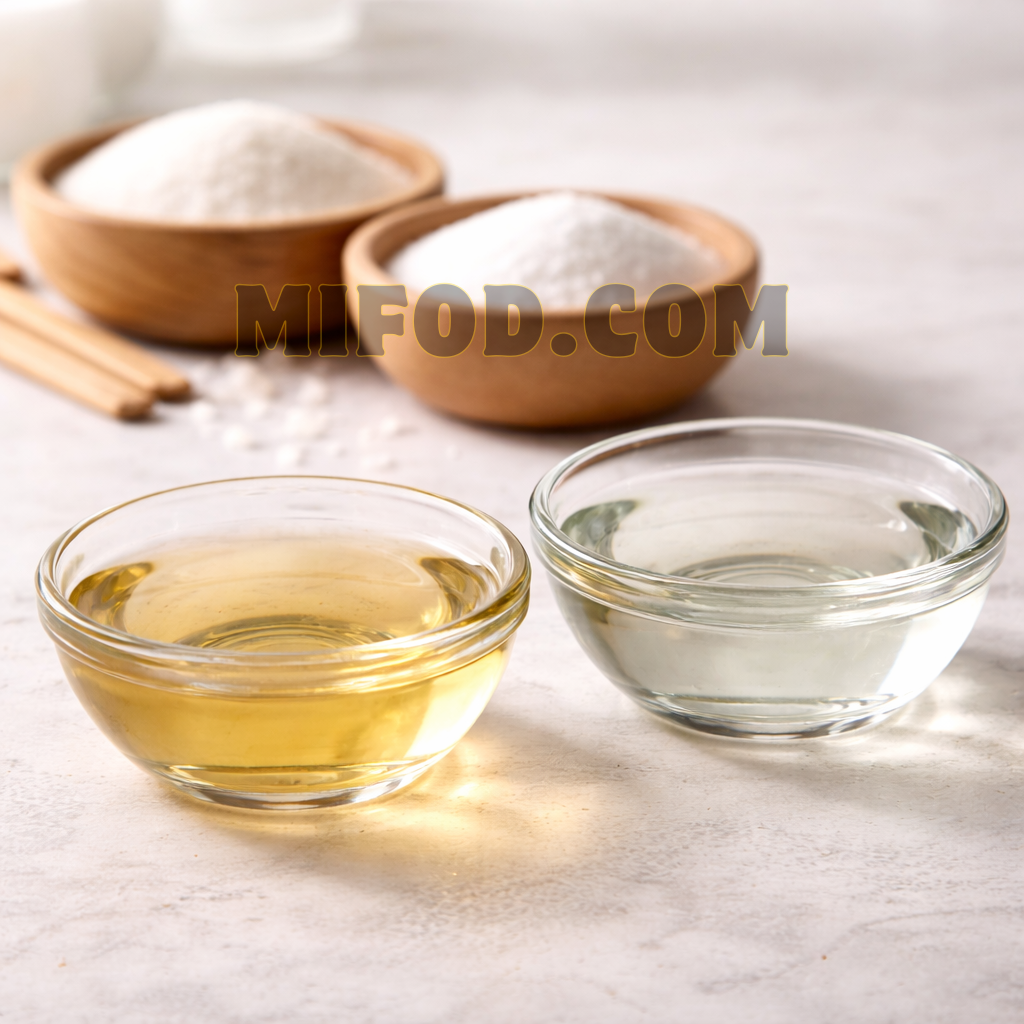
Here is a clear comparison to help you understand seasoned vs unseasoned rice vinegar at a glance:
| Feature | Seasoned Rice Vinegar | Unseasoned Rice Vinegar |
|---|---|---|
| Base Ingredient | Fermented rice vinegar | Fermented rice vinegar |
| Added Sugar | Yes | No |
| Added Salt | Yes | No |
| Taste Profile | Mild, sweet, slightly salty | Clean, tangy, mildly acidic |
| Best For | Sushi rice, quick dressings | Marinades, sauces, pickling |
| Sodium Content | Higher | Very low |
Because seasoned rice vinegar already contains sugar and salt, it simplifies certain recipes such as sushi rice. However, it can limit flexibility in dishes where you want full control over seasoning levels.
In contrast, unseasoned rice vinegar allows you to customize sweetness and salt content based on your dietary needs or flavor preferences. This makes it ideal for low sodium cooking or recipes that require precise balance.
Understanding these ingredient differences is essential when deciding between seasoned vs unseasoned rice vinegar in everyday cooking.
Curious how to get perfectly cooked basmati brown rice every time without guesswork? Click below to discover the simple method that never fails How to Cook Basmati Brown Rice in Rice Cooker and Never Fail Again
When to Use Seasoned Rice Vinegar
Understanding seasoned vs unseasoned rice vinegar becomes practical when you know exactly when to use each one. Seasoned rice vinegar is most commonly used for sushi rice because it already contains the correct balance of sugar and salt. This saves time and ensures consistent flavor.
In many American kitchens, seasoned rice vinegar is preferred for quick and easy recipes where convenience matters. Since it is pre sweetened and pre salted, you do not need to measure additional ingredients. This makes it especially useful for beginners.
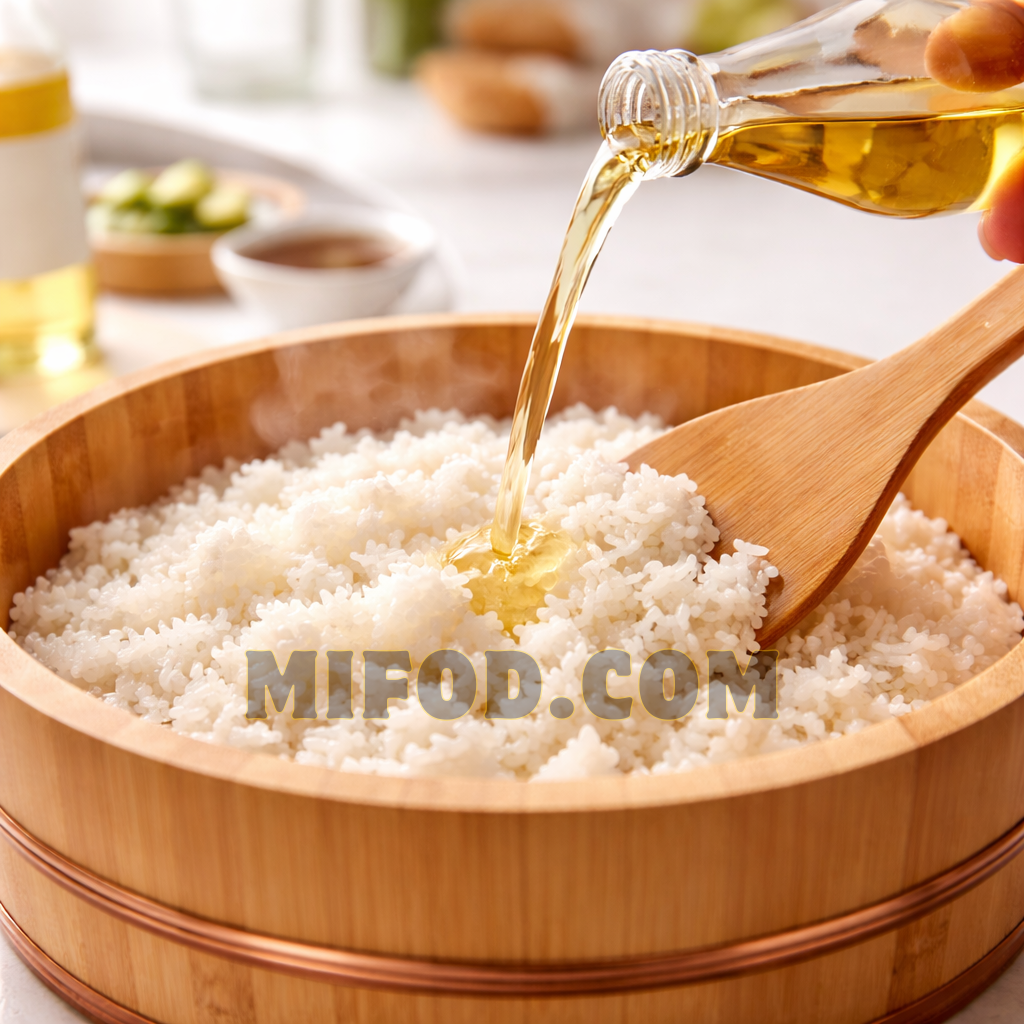
Here are the most common uses for seasoned rice vinegar in the United States:
- Sushi rice preparation
- Poke bowls
- Asian style coleslaw
- Quick cucumber salads
- Simple dipping sauces
When comparing seasoned vs unseasoned rice vinegar for sushi, seasoned is typically the better choice because it simplifies the seasoning process. Traditional sushi rice recipes call for rice vinegar mixed with sugar and salt. Seasoned rice vinegar already contains that mixture.
However, there are a few limitations. Because seasoned rice vinegar contains added sugar, it may not be ideal for low sugar or low sodium diets. It can also make marinades too sweet if additional sugar is added accidentally.
If you are following a recipe that does not specify the type, check whether sugar and salt are listed separately. If they are, the recipe likely expects unseasoned rice vinegar. If not, seasoned rice vinegar may be assumed.
Choosing the right option in the seasoned vs unseasoned rice vinegar debate ensures balanced flavor and better results in your dishes.
When to Use Unseasoned Rice Vinegar
When evaluating seasoned vs unseasoned rice vinegar for flexibility in cooking, unseasoned rice vinegar often gives you more control. Because it contains no added sugar or salt, it allows you to adjust seasoning precisely according to your recipe and dietary needs.
Unseasoned rice vinegar is ideal when you want clean acidity without sweetness. Many professional chefs prefer it because it provides a neutral base that can be customized. In the seasoned vs unseasoned rice vinegar comparison, this version is typically considered more versatile.
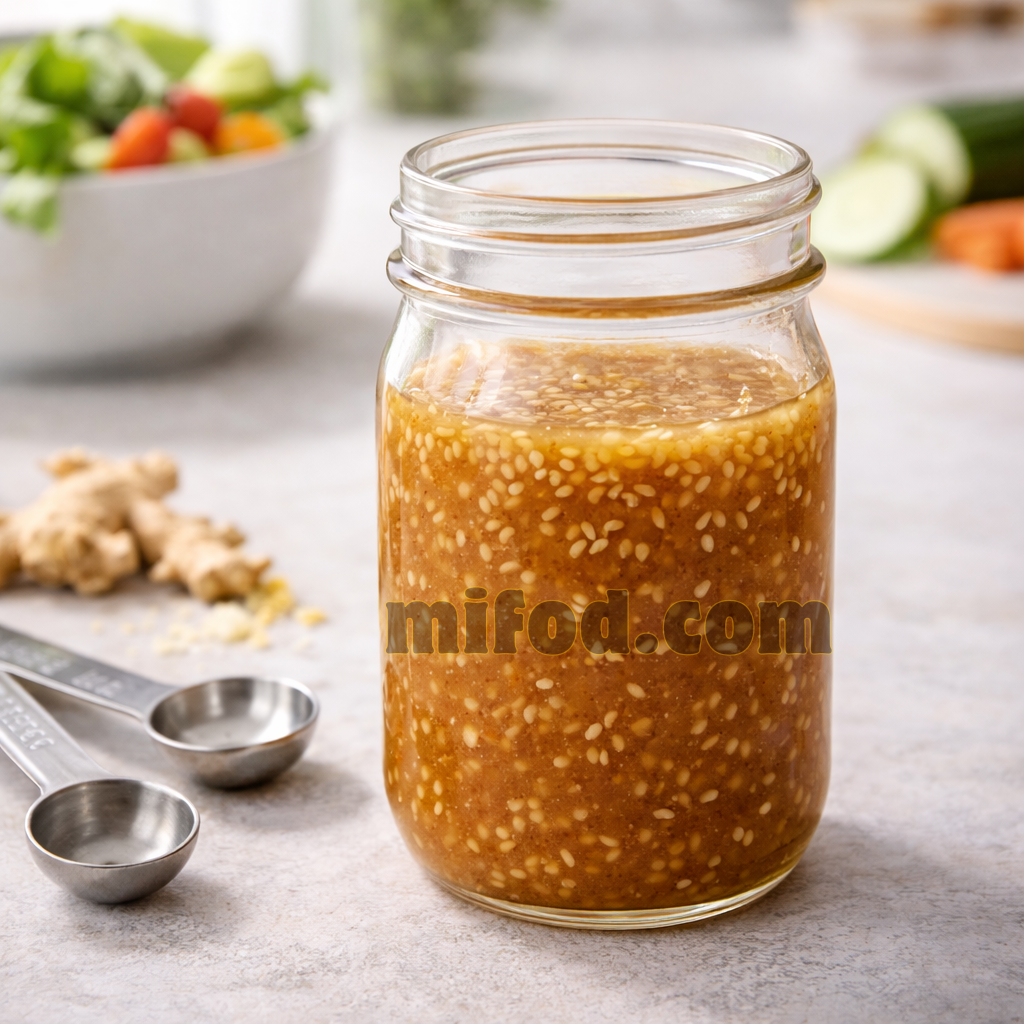
Here are common situations where unseasoned rice vinegar works best in American kitchens:
- Marinades for chicken, beef, pork, or tofu
- Stir fry sauces where sugar levels must be controlled
- Low sodium or low sugar recipes
- Homemade salad dressings
- Pickling vegetables
For example, if you are making a sesame ginger dressing, using unseasoned rice vinegar allows you to control how much honey or maple syrup you add. If you used seasoned rice vinegar instead, the dressing could become overly sweet.
Another advantage in the seasoned vs unseasoned rice vinegar discussion is nutrition transparency. Since unseasoned rice vinegar contains only fermented rice vinegar, it usually has fewer calories and almost no sodium.
If a recipe calls for rice vinegar and also includes added sugar and salt, it is almost always referring to unseasoned rice vinegar. Using seasoned vinegar in that case can throw off the balance of flavors. Choosing unseasoned rice vinegar gives you precision, especially in recipes that require careful seasoning adjustments.
Substitution Tips and Cooking Adjustments
When comparing seasoned vs unseasoned rice vinegar, many home cooks ask whether one can replace the other. The answer is yes, but you must adjust the recipe carefully to maintain balanced flavor.
If a recipe calls for unseasoned rice vinegar and you only have seasoned rice vinegar, you should reduce or eliminate added sugar and salt in the recipe. Because seasoned rice vinegar already contains both, failing to adjust can result in overly sweet or salty food.
Here is a practical substitution guide for seasoned vs unseasoned rice vinegar:
| If Recipe Calls For | You Have | What To Do |
|---|---|---|
| Unseasoned rice vinegar | Seasoned rice vinegar | Reduce added sugar and salt in recipe |
| Seasoned rice vinegar | Unseasoned rice vinegar | Add about 1 tablespoon sugar and 1 teaspoon salt per ½ cup vinegar |
These adjustments are especially important when making sushi rice. If you are substituting unseasoned rice vinegar for seasoned, you must mix in sugar and salt to achieve the traditional flavor profile expected in American sushi rolls.
You can also substitute other vinegars in emergencies, though flavor will change. Apple cider vinegar is slightly stronger and fruitier. White wine vinegar is sharper. If using these alternatives, dilute slightly with water to mimic the mild acidity of rice vinegar.
In the seasoned vs unseasoned rice vinegar comparison, the key takeaway for substitutions is balance. Always taste and adjust gradually. Small changes in sugar and salt can dramatically impact the final result. Understanding how to substitute properly ensures you never ruin a recipe due to the wrong vinegar choice.
Common Cooking Uses in American Kitchens
The seasoned vs unseasoned rice vinegar debate becomes even clearer when you look at how each type is used in everyday American cooking. As Asian inspired dishes continue to grow in popularity across the United States, rice vinegar has become a versatile pantry essential.
Seasoned rice vinegar is most often associated with sushi restaurants and homemade sushi nights. It delivers consistent sweetness and light saltiness, making it ideal for:
• California rolls
• Spicy tuna rolls
• Poke bowls
• Quick cucumber salad
• Asian style slaw
Because it already contains sugar and salt, it simplifies meal prep for busy households.
Unseasoned rice vinegar, on the other hand, is commonly used in healthier and customizable recipes. Many American home cooks prefer it for:
• Homemade vinaigrettes
• Low sodium marinades
• Stir fry sauces
• Pickled red onions
• Dipping sauces for dumplings
In the seasoned vs unseasoned rice vinegar comparison, unseasoned is often favored for meal prepping and clean eating because it allows better control over sodium and sugar intake.
Another growing trend in US kitchens is using rice vinegar to brighten grain bowls and roasted vegetables. Just a splash enhances flavor without overpowering the dish.
Whether you are preparing sushi for a family dinner or crafting a balanced salad dressing, understanding seasoned vs unseasoned rice vinegar ensures your flavors stay intentional and well balanced.
Practical Buying Tips and Storage Guide
When deciding between seasoned vs unseasoned rice vinegar at the grocery store, knowing what to look for can save you time and improve your cooking results. Both types are widely available in major US supermarkets, Asian markets, and online retailers, but the labels can sometimes be confusing.
First, always check the ingredient list. If you see sugar and salt listed after rice vinegar and water, you are holding seasoned rice vinegar. If the label only lists rice vinegar or fermented rice, it is unseasoned. Understanding this difference is essential in the seasoned vs unseasoned rice vinegar decision process.
Here is a quick buying comparison to help you choose:
| Buying Factor | Seasoned Rice Vinegar | Unseasoned Rice Vinegar |
|---|---|---|
| Best For | Sushi and quick recipes | Flexible cooking and meal prep |
| Sugar Content | Contains added sugar | No added sugar |
| Sodium Level | Moderate sodium | Very low sodium |
| Dietary Control | Less customizable | Fully customizable |
| Label Clues | Mentions sugar and salt | Lists only rice vinegar |
Storage is simple for both types. Keep rice vinegar in a cool, dry place such as a pantry. After opening, tightly seal the bottle. Refrigeration is optional but can help preserve flavor over time. Properly stored rice vinegar can last for years due to its acidity.
In the seasoned vs unseasoned rice vinegar comparison, your choice ultimately depends on how much control you want over sweetness and salt. For maximum flexibility, many US home cooks keep both in their pantry.
Conclusion: Choosing the Right Rice Vinegar for Your Kitchen
Understanding seasoned vs unseasoned rice vinegar gives you more confidence and control in the kitchen. While both types start with the same fermented rice base, their added ingredients make a meaningful difference in taste, nutrition, and cooking flexibility. Seasoned rice vinegar includes sugar and salt, making it convenient and ready to use, especially for sushi rice and quick Asian style salads. Unseasoned rice vinegar, on the other hand, offers a clean, tangy flavor that allows you to adjust sweetness and sodium levels exactly to your preference.
For many home cooks in the United States, the choice between seasoned vs unseasoned rice vinegar comes down to convenience versus customization. If you frequently prepare sushi or want a shortcut for balanced flavor, seasoned rice vinegar is a practical option. If you prefer full control over your recipes, follow a low sodium diet, or enjoy experimenting with marinades and dressings, unseasoned rice vinegar is often the better choice.
The good news is that you do not have to limit yourself to just one. Keeping both in your pantry ensures you are prepared for a wide range of recipes. By understanding how seasoned vs unseasoned rice vinegar affects flavor and seasoning, you can avoid common cooking mistakes and consistently create dishes that taste balanced, fresh, and intentional.
Frequently Asked Questions About Seasoned vs Unseasoned Rice Vinegar
What is the main difference between seasoned vs unseasoned rice vinegar?
The main difference between seasoned vs unseasoned rice vinegar is the added ingredients. Seasoned rice vinegar contains sugar and salt, while unseasoned rice vinegar is pure fermented rice vinegar without additives. This affects sweetness, sodium levels, and recipe flexibility.
Can I use seasoned rice vinegar instead of unseasoned rice vinegar?
Yes, but you must adjust the recipe. Since seasoned rice vinegar already contains sugar and salt, reduce or remove those ingredients from your recipe to avoid overly sweet or salty results.
Which is better for sushi, seasoned or unseasoned rice vinegar?
Seasoned rice vinegar is generally better for sushi rice because it already contains the traditional sugar and salt mixture. However, many chefs prefer unseasoned rice vinegar so they can control the exact seasoning balance.
Is seasoned rice vinegar sweeter than unseasoned?
Yes. In the seasoned vs unseasoned rice vinegar comparison, seasoned rice vinegar has a noticeable sweetness due to added sugar. Unseasoned rice vinegar has a clean, mildly tangy taste with no added sweetness.
Is unseasoned rice vinegar healthier?
Unseasoned rice vinegar may be considered healthier for some people because it contains no added sugar and almost no sodium. This makes it a better option for low sodium or low sugar diets.
Can I substitute apple cider vinegar for rice vinegar?
You can substitute apple cider vinegar in small amounts, but it has a stronger and fruitier flavor. Diluting it slightly with water can help mimic the mild acidity of rice vinegar.
Does seasoned rice vinegar need to be refrigerated?
Refrigeration is not required, but it can help preserve flavor after opening. Both seasoned and unseasoned rice vinegar should be stored in a cool, dry place with the cap tightly sealed.
Why does my recipe taste too sweet when using rice vinegar?
If your dish tastes too sweet, you may have used seasoned rice vinegar in a recipe that also adds sugar. Always check whether the recipe expects seasoned or unseasoned rice vinegar.
Can I make seasoned rice vinegar at home?
Yes. You can mix unseasoned rice vinegar with sugar and salt to create your own seasoned version. A common ratio is about 1 tablespoon sugar and 1 teaspoon salt per half cup of rice vinegar.
Which type should I keep in my pantry?
If you cook a variety of dishes, keeping both is ideal. Seasoned rice vinegar is convenient for sushi and quick salads, while unseasoned rice vinegar offers greater control for marinades, dressings, and healthier recipes.
Follow us on Pinterest
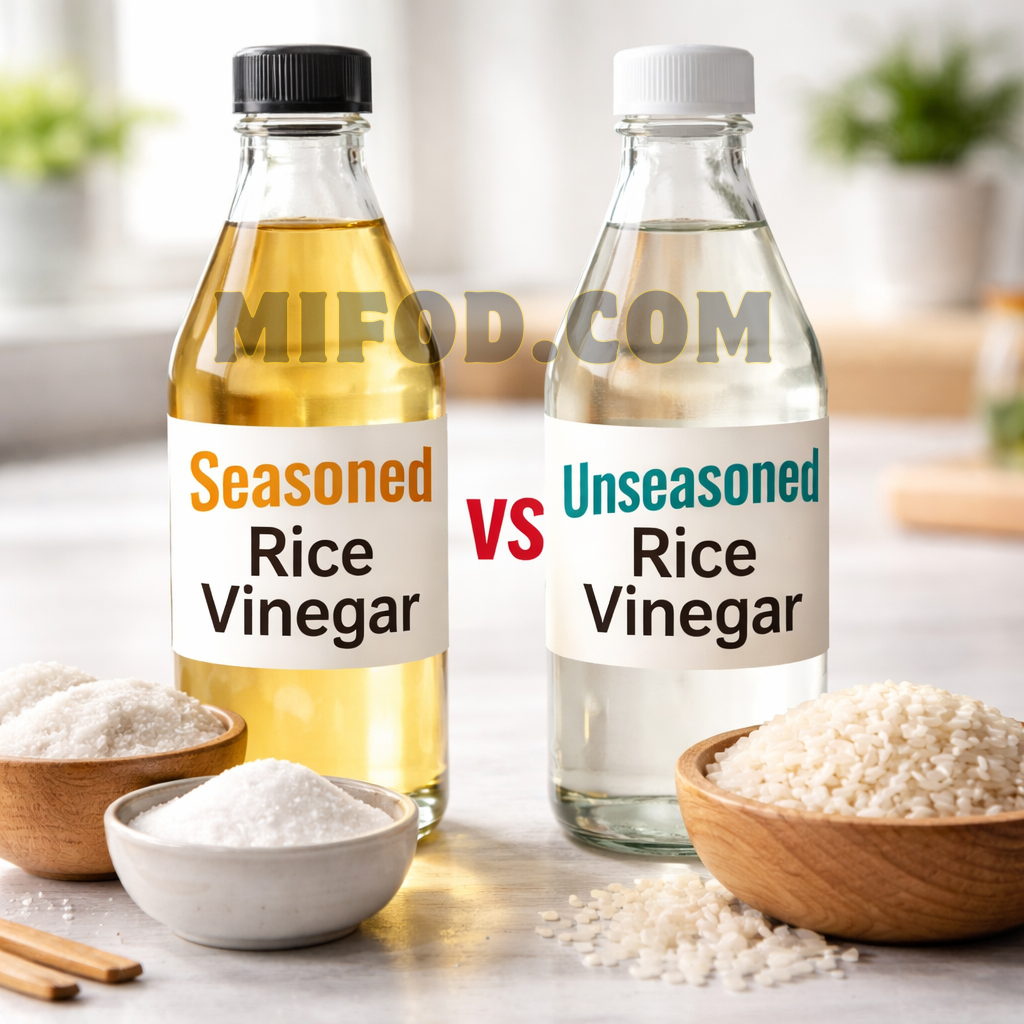
seasoned vs unseasoned rice vinegar
Ingredients
Method
- Rinse the sushi rice under cold water until the water runs clear. This removes excess starch.
- Combine rice and water in a rice cooker or medium pot. Cook according to package directions.
- Once cooked, let the rice sit covered for 10 minutes.
- If using unseasoned rice vinegar, mix the vinegar, sugar, and salt in a small bowl until fully dissolved.
- Transfer hot rice to a large wooden or glass bowl.
- Gradually fold in the seasoned rice vinegar or the prepared unseasoned vinegar mixture using a rice paddle or spatula.
- Gently mix using a slicing and folding motion to avoid smashing the rice.
- Allow the rice to cool to room temperature before using for sushi rolls or bowls.
Notes
• For a slightly sweeter sushi rice, add 1 extra teaspoon of sugar.
• Always use short grain rice for authentic texture.
• Do not refrigerate sushi rice before serving as it will harden.
• This recipe works for rolls, poke bowls, and sushi burritos.